Ultra Safe Nuclear Corporation Deploys Desktop Metal X-Series 3D Printers

Desktop Metal (NYSE: DM), the Massachusetts-based manufacturer of metal binder jet 3D printers, has announced that Seattle-based Ultra Safe Nuclear Corporation (USNC), has started using Desktop’s X-Series line of printers at its facility in Salt Lake City, Utah. USNC is known for developing the Micro Modular Reactor: the first “fission battery” to be used for real-world applications, and which was created by the company’s founders at the Oak Ridge National Laboratory (ORNL).
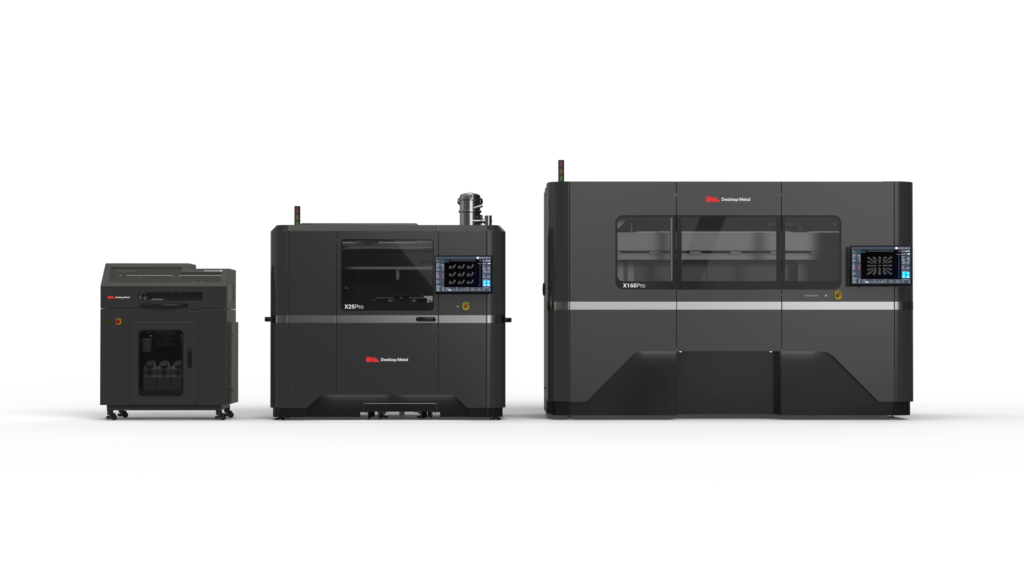
The X-Series line is Desktop’s rebranding of the ceramics and metal binder jet line produced by ExOne, which Desktop purchased last November. USNC currently has two small-format InnoventX machines in use, and is planning on purchasing two more machines — the larger X25Pro and X160Pro models — later in 2022.
In a press release, the executive vice president of USNC’s Core Division, Dr. Kurt A. Terrani, noted, “Binder jetting is a low-cost, high-yield, reliable process for our complex serial production. The advanced material capability of the X-Series machines is fundamental to our innovative approach to fuel design.”
Ric Fulop, co-founder and CEO of Desktop Metal, added, “Driving mass adoption of additive manufacturing requires scalable systems capable of printing high-performance materials that enable the most innovative applications. We’re proud to support the mission of USNC with flexible binder jetting technology that takes customers all the way to production and helps play a role in solving global-scale problems with additive manufacturing solutions.”
USNC made news earlier this year when it announced it was licensing ORNL’s proprietary method producing parts silicon carbide using a combination of binder jetting and chemical vapor infiltration. This is the “advanced material capability of the X-Series machines” which Dr. Terrani says is “fundamental to [USNC’s] innovative approach to fuel design”. The main advantage of USNC’s (and ORNL’s) method is that it facilitates the manufacture of parts in geometrically complex designs, which are difficult or impossible to achieve with other production methods.
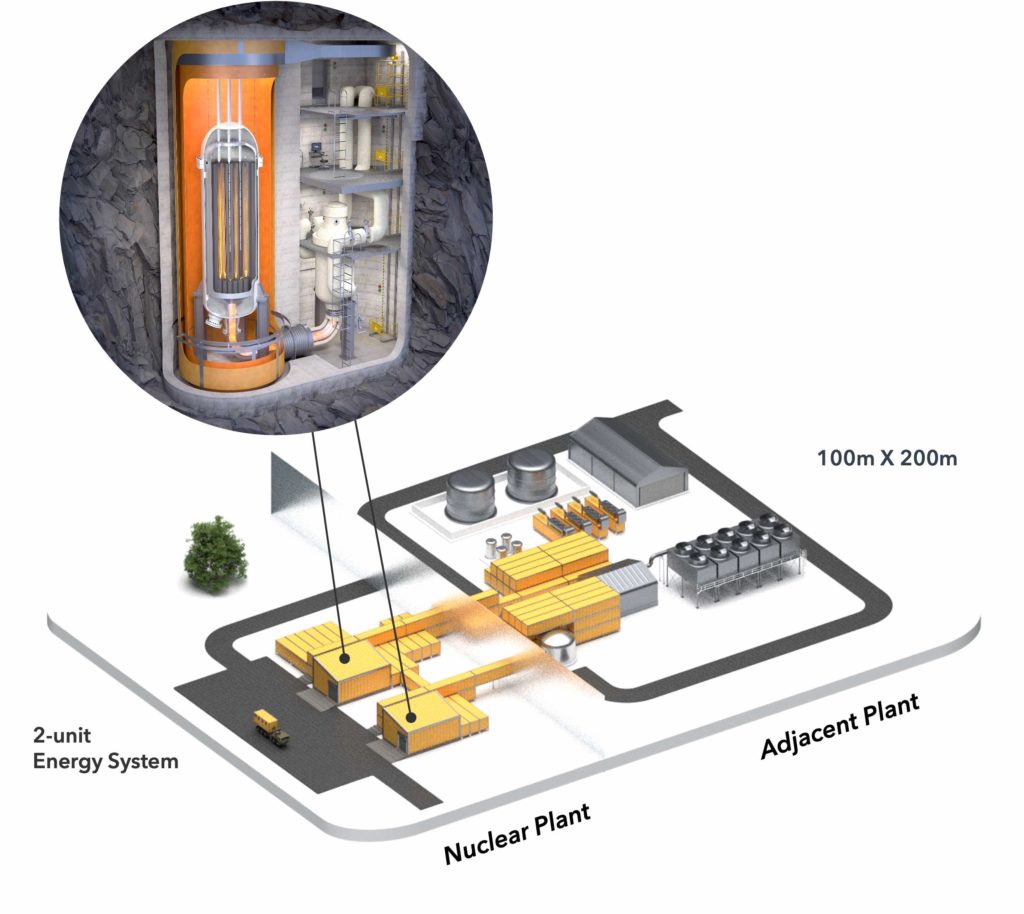
A company whose future potential has attracted great interest from investors, but which has so far struggled to translate its buzz into real-world results, Desktop Metal — thanks to its purchase of ExOne — has perhaps found its niche in providing printers for the increasingly important field of nuclear 3D printing. And, given the ongoing litany of world events that have, as one of their main effects, crippled energy supply lines, it seems likely that nuclear power will continue to become an even more significant source of global electric capacity.
Subscribe to Our Email Newsletter
Stay up-to-date on all the latest news from the 3D printing industry and receive information and offers from third party vendors.
Print Services
Upload your 3D Models and get them printed quickly and efficiently.











You May Also Like
Snapmaker Secures Series B Backed by Xiaomi Founder’s Network and China’s Investment Elite
Desktop 3D printer manufacturer Snapmaker has gotten a series B round. The round is led by Hillhouse Ventures and Meituan. Cowin Capital and Orient Securities Capital dipped in for another round,...
Registration Rates for Additive Manufacturing Strategies 2026 Increasing This Week
It may not seem like it, but February is right around the corner, and that means it’s almost time for our 9th annual Additive Manufacturing Strategies event. Returning to New...
LEGO’s First Mass-Produced 3D Printed Element Is Now in Stores in a New Holiday Set
Back in September, 3DPrint.com reported that LEGO was preparing to release its first mass-produced 3D printed element inside an upcoming LEGO Christmas set. At the time, details were limited to...
Formnext 2025: Day Three: We Are the Champignons
Closing out the Champ bar and sitting in the lobby of the Marriott is perhaps not the most healthy of pastimes. Consuming a tower of mini burgers pinned to chicken...