
Sandvik & BEAMIT Qualify Super-Duplex Osprey 2507 Metal Powder for 3D Printing

Even though, as SmarTech Analysis has reported, metal additive manufacturing is currently working to recover from the supply chain disruption and manufacturing downturn “brought on (or at least intensified) by the COVID-19 global pandemic,” the last couple of years there’s been a major increase in the use of iron-based and extremely corrosion-resistant metals; this is mainly due to the fact that industries working in challenging environments, like the offshore and marine sectors, require more advanced materials, not to mention on-demand spare parts production to reduce material waste and unnecessary stock.
Both Sandvik, which offers a wide variety of AM metal powder alloys, and part subsidiary BEAMIT Group have worked over the years to qualify various materials, such as titanium alloys, for additive manufacturing, and together have announced their ability to 3D print components out of super-duplex stainless steel Osprey 2507 metal powder, which is well-known for its high durability and excellent corrosion resistance. Now they’re launching the material on the market, heralding its abilities to print components that are crack-free and nearly fully dense, even before post-processing has occurred.

“We are very excited to co-launch this potent combination of a superior material and the disruptive benefits of additive manufacturing to the market. Having already developed print parameters for single-laser machines, we are now progressing to expand our joint offering to include even larger applications,” said Michele Antolotti, Engineering and R&D Manager at the BEAMIT Group. “With the profound materials expertise within Sandvik, and BEAMIT Group’s market-leading abilities throughout the additive value chain, we are truly in a unique position to supply the offshore industries with an array of business-critical benefits, in terms of component performance and timely production alike.”
Sandvik owns a significant stake in BEAMIT, which includes one of the industry’s largest AM machine parks and is said to be one of Europe’s top AM service providers for demanding industries in need of high-end metal parts. So customers in the market for larger-scale 3D printed metal components are in luck.
“By leveraging nearly two centuries of materials expertise and industry leading know-how along the additive value chain, we are proud to say Sandvik is the first to offer 3D printed super duplex components to the market. While many have tried and failed, we are very pleased to have seen components printed to a standard that doesn’t just meet, but outperform that of several conventionally manufactured counterparts,” said Michael Schuisky, VP and Business Unit Manager at Sandvik Additive Manufacturing.
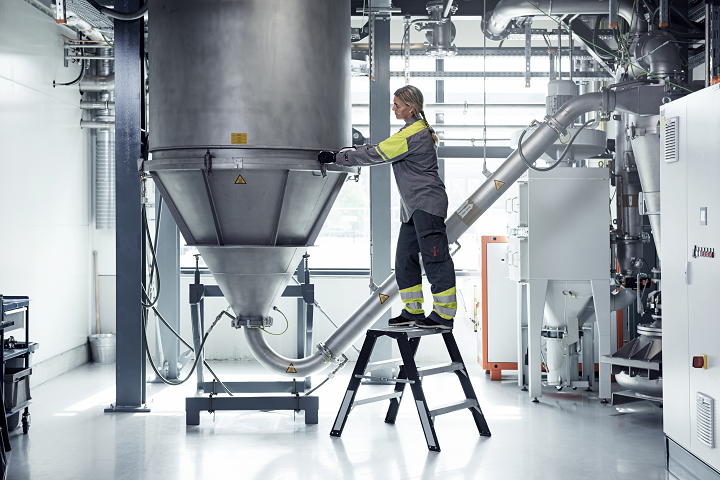
According to the company, Sandvik has long been a leader in the duplex stainless steel evolution, and some of its super-duplex materials have been used for applications in corrosive environments, including chemical processing and the seawater-exposed offshore energy field. The super-duplex Osprey 2507 alloy, able to hold up well under harsh environments, was optimized for 3D printing by Sandvik’s material experts, and with its high mechanical strength and corrosion resistance, it can now be 3D printed more easily into the shape of seamless tubes, bars, and plates.
“Sandvik has been driving the materials evolution since 1862, with duplex stainless steels – including super duplex and hyper duplex – being one of our flagship material families,” stated Johan Wallin, Product Manager for super-duplex alloys at Sandvik Additive Manufacturing. “By our joint forces with BEAMIT, and by combining the inherited applicational benefits of additive manufacturing with the superior characteristics of Osprey® 2507 – we are set up to drive the implementation of AM across a number of industries where the impact of optimized, corrosion resistant components, as well as on-demand production of spare parts is potentially enormous.”
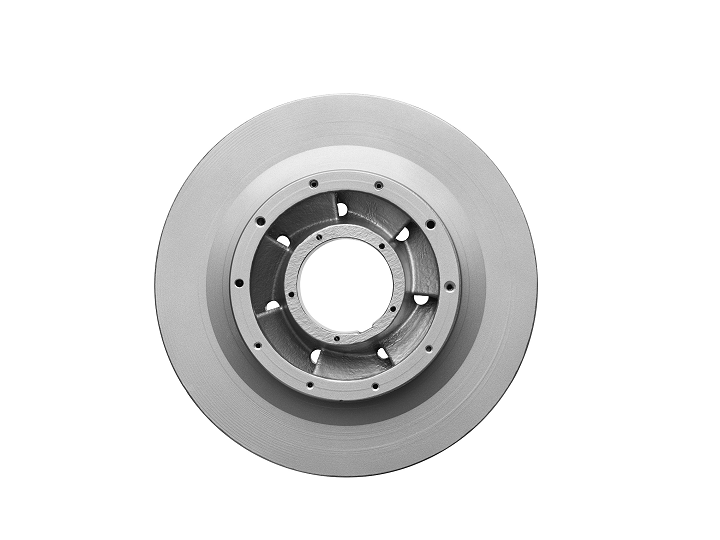 Impeller
Sandvik collaborated with Norwegian Eureka Pumps and energy giant Equinor to produce a faster, more lightweight impeller for the offshore sector, and because it’s 3D printed, the component was manufactured more efficiently as well. According to the company’s “Plan it, Print it, Perfect it” approach, printing is only one of seven necessary steps to be successful with the industrialization of the technology, and thanks to the newly AM-optimized super-duplex Osprey 2507 alloy, several projects in the marine sector, which relies on super-duplex stainless steel, are now taking place.
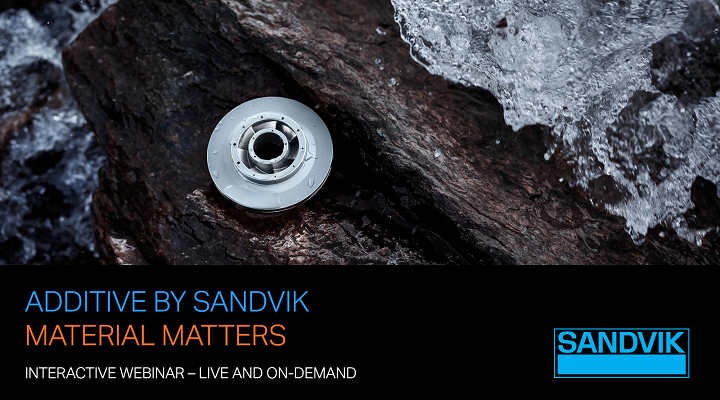
To learn more about super-duplex stainless steel material and 3D printing, you’re invited to attend “Additive By Sandvik: Material Matters,” the next episode in the company’s interactive webinar series, on May 18th. Sandvik’s metal powder and AM experts will discuss what the company calls the “game-changing combination” of 3D printing and super-duplex stainless steel, and if you pre-register, you can even send in topics and questions ahead of time.
(Source/Images: Sandvik)
Subscribe to Our Email Newsletter
Stay up-to-date on all the latest news from the 3D printing industry and receive information and offers from third party vendors.
Print Services
Upload your 3D Models and get them printed quickly and efficiently.













You May Also Like
South Korea’s Lincsolution Lands Hanwha Defense Deal as Hanwha Invests Billions in US
I recently wrote about how the South Korean additive manufacturing (AM) firm Lincsolution is building an aerospace and defense hub, part of the company’s construction of “the largest AM facility in...
Building Profiles in the Additive Print Services Market – Market Research Beyond AI Scraping
AM Research New market research: AM Research is building its new Additive Manufacturing Services Market 2.0 model. View the report and preorder here → In case you haven’t heard, at...
AM & National Competitive Advantage, Part One: the Real Problem with US Manufacturing
The problem with US manufacturing is the productivity growth rate. Depending on the source, US manufacturing productivity has either been flat or slightly declined since 2010. Before going any further...
Advanced Manufacturing at IMTS 2026: 3D Printing and AI and Drones, Oh My!
Last week’s International Manufacturing Technology Snow (IMTS) in Chicago welcomed over 90,000 attendees to the jungle that is McCormick Place. With over 1.17 million square feet of exhibit space, and...























































