3D Printing & the Circular Economy Part 4: Anthroposphere


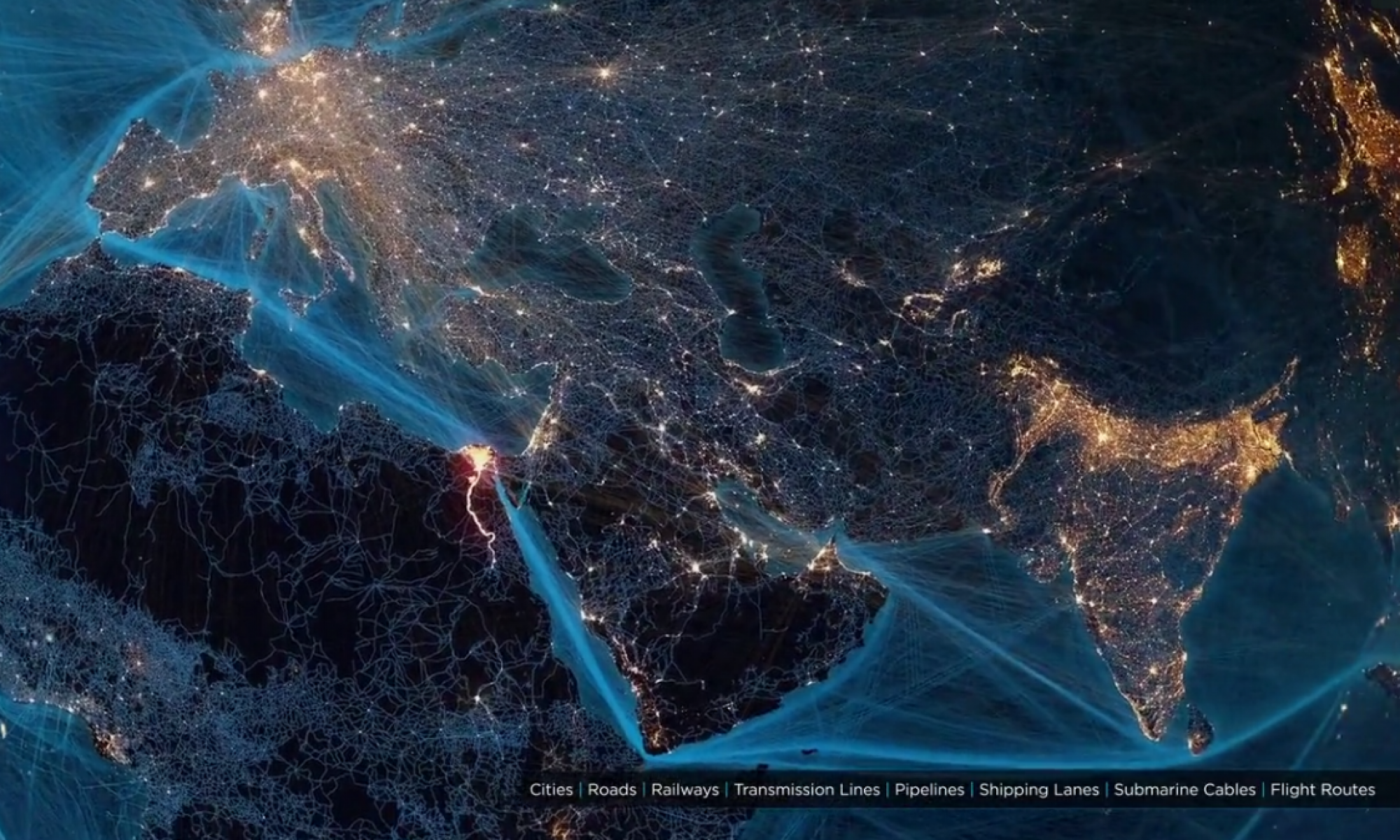
Today we will be discussing the anthroposphere in relation to a circular economy. The anthroposphere can be defined as the part of the environment that is made or modified by humans for use in human activities and human habitats. People also refer to the anthroposphere as the technosphere. Humans have evolved over time to build more tools to navigate their environment. Technology is the crux of this. In order to navigate one’s environment, there is an implied and necessary usage of resources within an environment. To thrive, one must efficiently use their resources, but the question is whether or not humans are doing so. The circular economy is trying to establish a thought process and system of humans having a connection to their habits that cause deterioration of the world. We shall look into how the current state of humanity and the anthroposphere point towards how close we are to moving towards a circular economy.
The history of human development and advancement is imbued in creation. We are a species that continuously builds. This is a testament to the human society’s sense of exploration and experimentation. We are consistently challenging the status quo and trying to make our lives better. With humans inherently trying to make the world precise or technology driven, we are applying a mindset that is narrow minded at times. The technology and innovations we create are susceptible to unsustainable production methods. An example can be taken from overproduction with the use of injection molding systems at different companies. The technology itself is great as it produces such a large quantity of items for us in a short time, but that is a downfall of the technology as well. It is super efficient, and it causes us over produce. Building a machine such as an injection molder also leads to the utilization of resources inherently. Now it is important to denote that the technology is not bad; it just leads to unintended problems in terms of sustainability, the anthroposphere, and the circular economy. This is the internal debate of innovation and technology. We are trying to advance society, but we may be digressing it if we use all our resources. There is only a finite supply it seems.

How does Human Development relate to the Circular Economy?
In terms of humans, I think a good amount of people in the developing world are okay in terms of life standards. This is granted a generalization, but there is validity to this. There is another opposing statement that occurs from this frame of reference: Life in underdeveloped nations is affected by developed nations having better standards of life. This does not necessarily bode well for the whole anthroposphere and the circular economy. It also seems unlikely that everywhere on Earth will have an equal distribution of resources and technology development. So how do we still work on this ideal of a circular economy when things seem unlikely? If we want to live the ideals of a circular economy to better the anthroposphere, various nations should be more focused on producing what they can based on their environment. Would this be good or bad though?
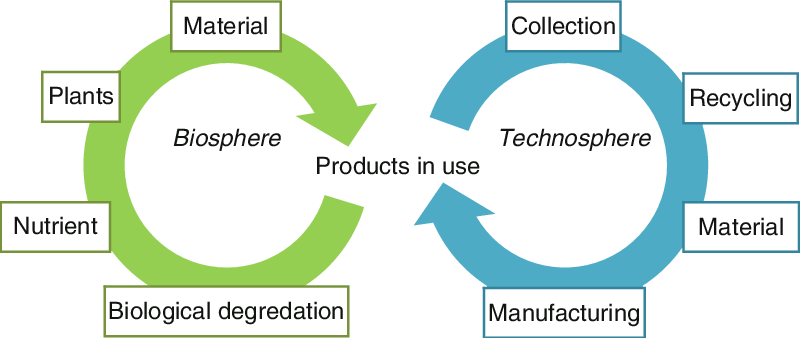
Based on the issues brought up today, I will be doing more research. I believe the importance of localization in production is a major key within our anthroposphere. These are some basic questions and assumptions I have. I will be researching and providing statistics on various items within industrial waste as well as nations that are focused on localization of their production and how this contributes to the overall anthroposphere.
Subscribe to Our Email Newsletter
Stay up-to-date on all the latest news from the 3D printing industry and receive information and offers from third party vendors.
Print Services
Upload your 3D Models and get them printed quickly and efficiently.












You May Also Like
Additive Manufacturing at a Crossroads
Additive manufacturing is at a crossroads. Simultaneously, we find ourselves between certain very different modalities, applications, and industries. Rather than being able to explore them all, companies will now have...
After 17 Years at 3D Systems, Katie Weimer Is Betting on Regenerative Breast Tissue
After spending 17 years helping build healthcare applications at 3D Systems and its predecessor Medical Modeling, Katie Weimer wasn’t planning to launch a startup. But when a regenerative breast tissue...
Why Elegoo Chose Emoji® to Introduce More People to 3D Printing
When Elegoo unveiled the world’s first officially licensed emoji®-themed 3D printer, it wasn’t just launching another version of an existing machine. The company was testing a much bigger idea by...
The Longevity Economy Needs a Factory
Longevity has become one of the biggest stories in healthcare. Every week seems to add a new announcement about an anti-aging therapy, an AI-powered drug discovery platform, or a startup...