The 3D Printed Sundial Watch Collection: Harness the Power of the Sun with Your Own Watch

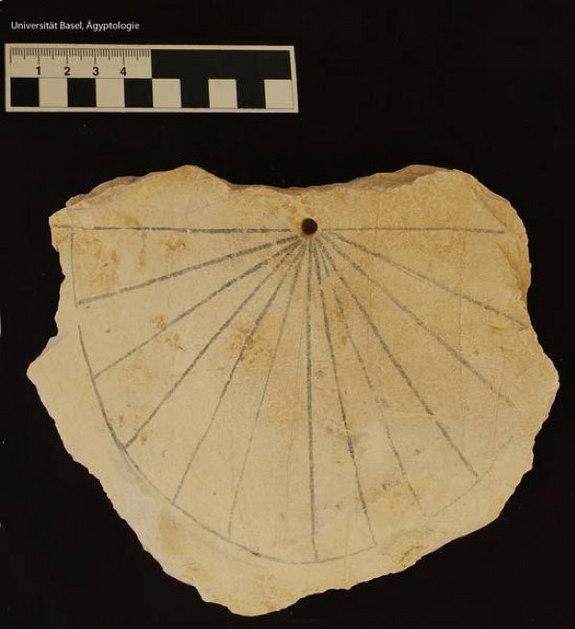
Ancient Egyptian sundial
It’s all the rage to go retro… but sometimes we like to go ancient. Face it, everything about the sundial is cool. Has it ever occurred to you that you could wear one as a watch? Not only is this idea totally hip, but the watch runs on solar power, so there’s never any winding or battery wear.
Instructables user gkapriel came up with a new take on the timepieces that trace their origins back to the shadow clocks in ancient Egyptian astronomy and Babylonian astronomy, circa 1500 BC. Shadow clocks evolved further from there in the hands of the Greeks, who refined the technology into the sundial.
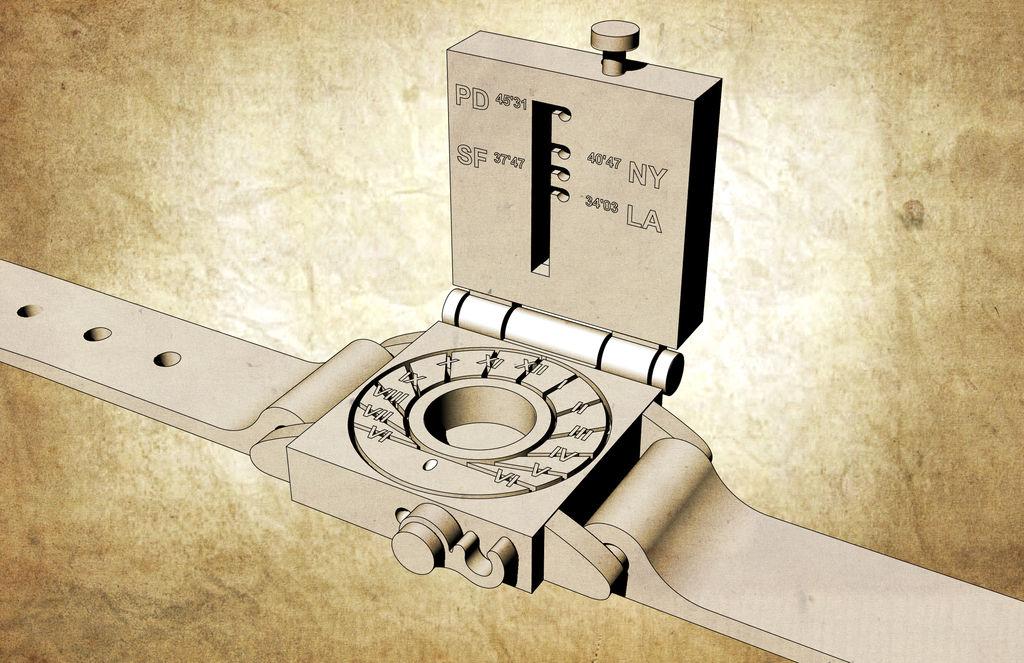
Now, with the Sundial Watch Collection, Instructables user gkapriel has taken refining the sundial to another level, combining it with a beautiful artistic design and 3D printing. This is more than just a shared design file for 3D printing. Gkapriel has come up with an entire collection of sundial watches for you to make. The result is stunning, and you may just decide you need all four styles.
“The Sundial Watch focuses your attention on light and shadow, developing a relationship with the sun and a more fluid perception of time,” according to gkapriel.
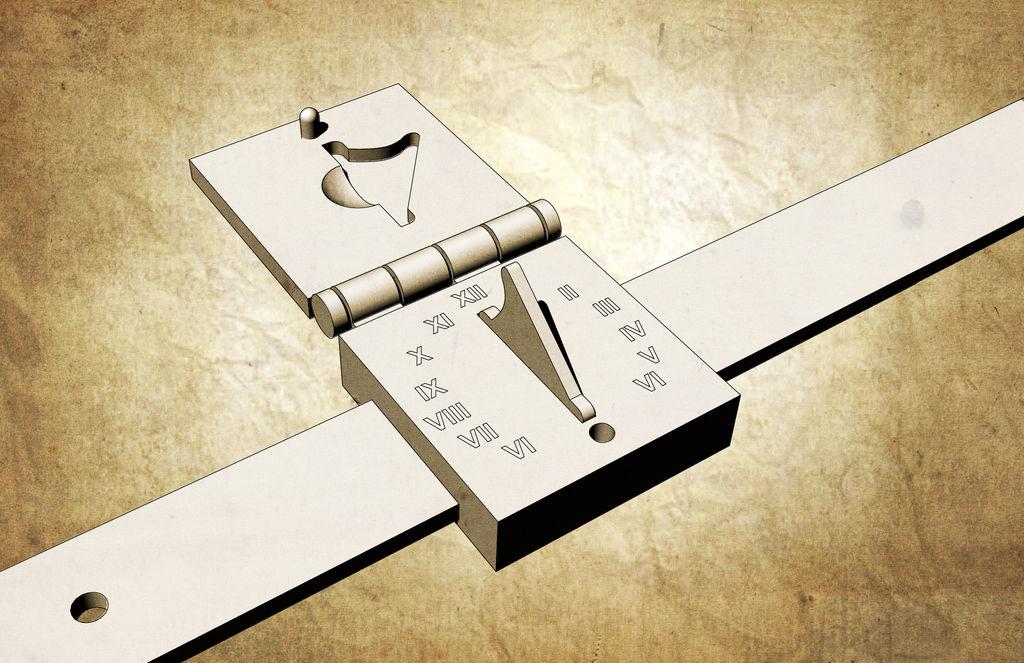
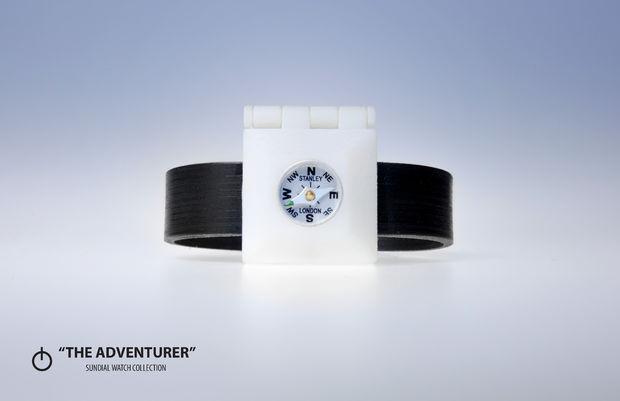 Gkapriel drew inspiration for the Sundial Watch Collection from the ivory diptych dials made by the famous sundial and scientific instrument maker Leonhart Miller who crafted his timepieces in Renaissance Europe.
The collection features:
- The Adventurer
- The Classic
- The Sport
- The Traveler
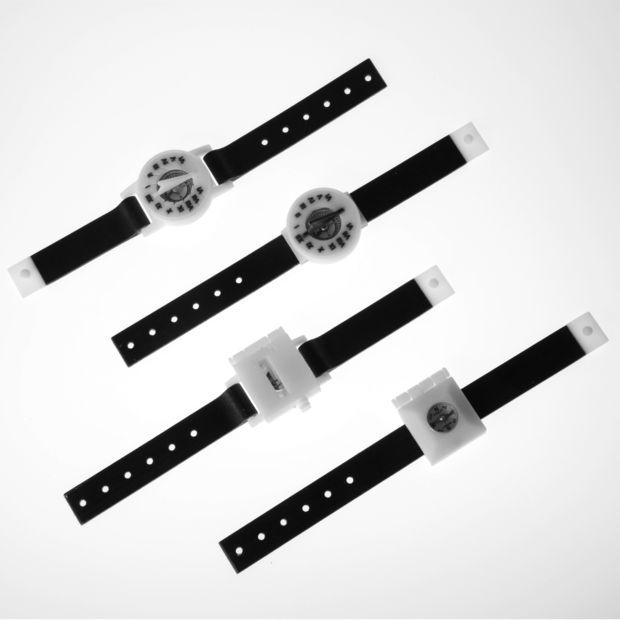 With a compass inlay to point north, each watch must be set for your geographical coordinates, adjusting the gnomon and angle of the hours. In making your watch, you will need to make sure it is set for your location information provided here by gkapriel, that applies to each watch, except the Traveler, because it is a diptych sundial.
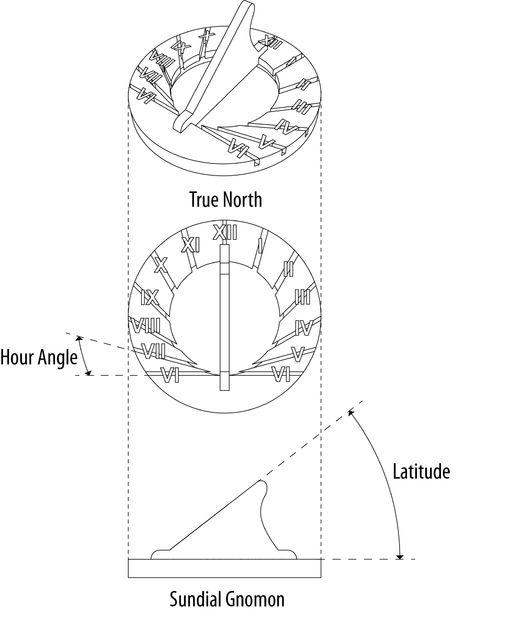 Gkapriel provides the design files for each watch, which were created originally from 2D designs with outlines regarding calculations for geographical area, and then researching of compasses.
The watch band and moving hinges, according to gkapriel, “were slightly offset with a gap, while the black text was Boolean subtracted from the solid watch body. This is important when preparing the file for a 3D print.”
Gkapriel used a resin-based Objet 3D printer, with each style featuring a flexible material in the watchband, and hard material for the watch body. If you don’t have a 3D printer, never fear as you can use a service like Shapeways to have your watches printed.
Do you know how to create or read a sundial? Are you going to download this design? Tell us about it in the 3D Printed Sundial Watch forum at 3DPB.com. Check out some more design views, and a video of the sundial watches in action, too!

Subscribe to Our Email Newsletter
Stay up-to-date on all the latest news from the 3D printing industry and receive information and offers from third party vendors.
Print Services
Upload your 3D Models and get them printed quickly and efficiently.











You May Also Like
Bridging the Gap: 2D to 3D AI in Manufacturing
For decades, the early stages of manufacturing have been defined by a simple, frustrating trade-off: you can have it precise, or you can have it fast. AI just broke that...
Takeaways From MILAM 2026: Defense’s Growing Role in Driving 3D Printing – Part I
The annual Military Additive Manufacturing Summit & Technology Showcase (MILAM 2026) once again brought together the defense sector’s top technologists, military leaders, and additive manufacturing (AM) innovators for three days...
Hardware is Dead. Here’s What Actually Wins in Additive Manufacturing.
Hardware is rapidly commoditizing across additive manufacturing. Specifications have converged. Price competition has intensified. Margins have compressed. For companies attempting to scale additive manufacturing beyond prototyping, this shift has profound...
The Real ROI of Personalized 3D Printed Medtech in Oncology
Discover how patient-customized 3D printed devices like Stentra™ significantly reduce high toxicity-related treatment costs and improve workflow efficiencies to handle more cases more effectively overtime. Introduction: The Economic Paradox in...