3DGence’s INDUSTRY F340 3D Printer Earns Safety and Quality Certification

There are many factors that can determine the quality of a 3D printer, and many places a prospective buyer can turn for reviews to feel confident that they are buying a safe, quality product. But when a 3D printer receives certification from an official quality and safety organization, it’s pretty much guaranteed that it will be a safe bet. Technical service provider TÜV Rheinland offers a number of services including testing, inspection, certification, consultation and training, and its official stamp of approval is a selling point for any product, including 3D printers.
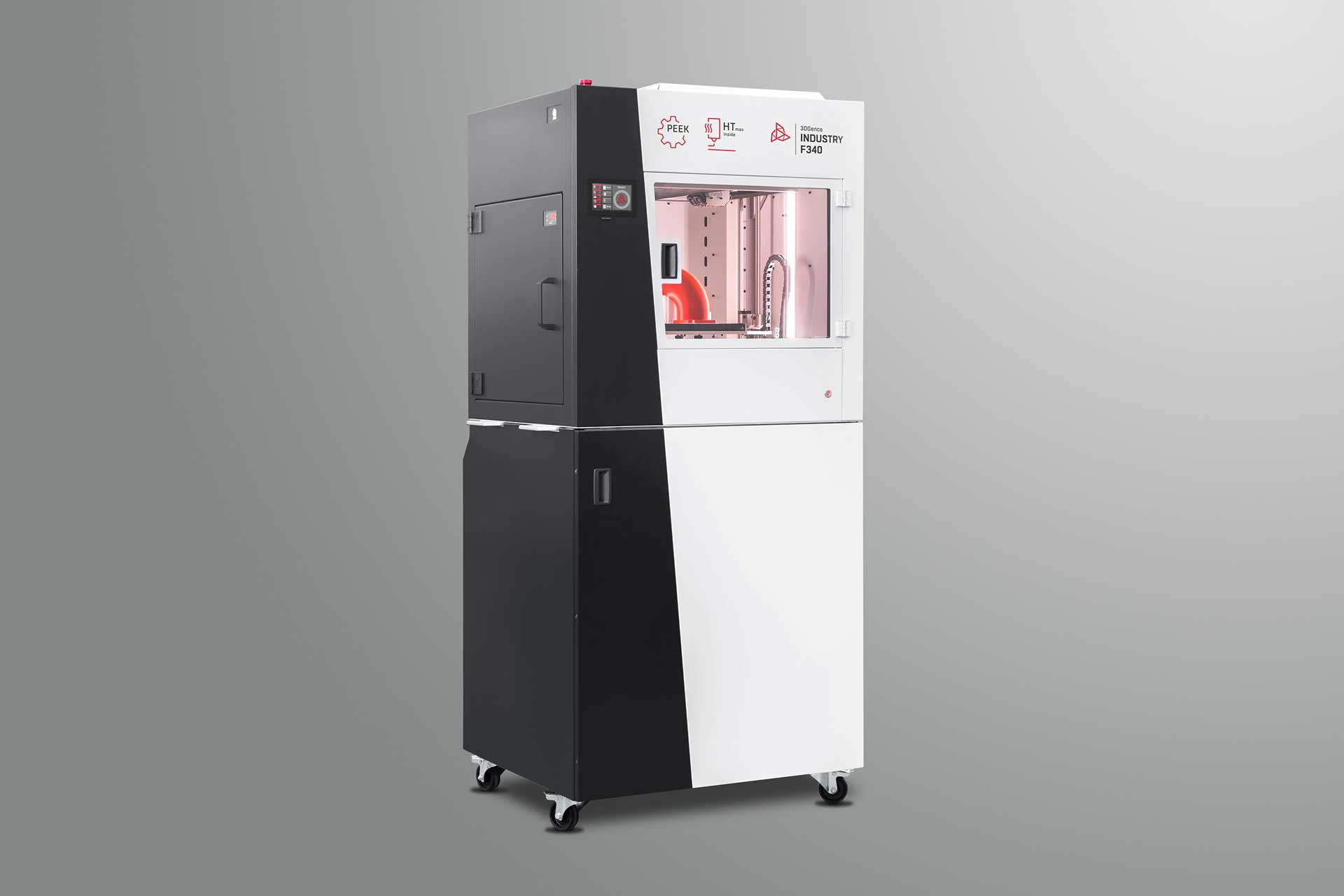 While Poland has produced a large number of 3D printers, many of them high quality, none of them have been officially certified for quality and safety by TÜV Rheinland – until now. 3DGence has become the first Polish 3D printer company to receive certification from the organization for one of its 3D printers – the INDUSTRY F340. The company was independently audited, and the manufacturer’s declarations were verified. Every INDUSTRY F340 3D printer manufactured as of this month will be marked with the TÜV Rheinland sign, confirming that testing and certification were carried out.
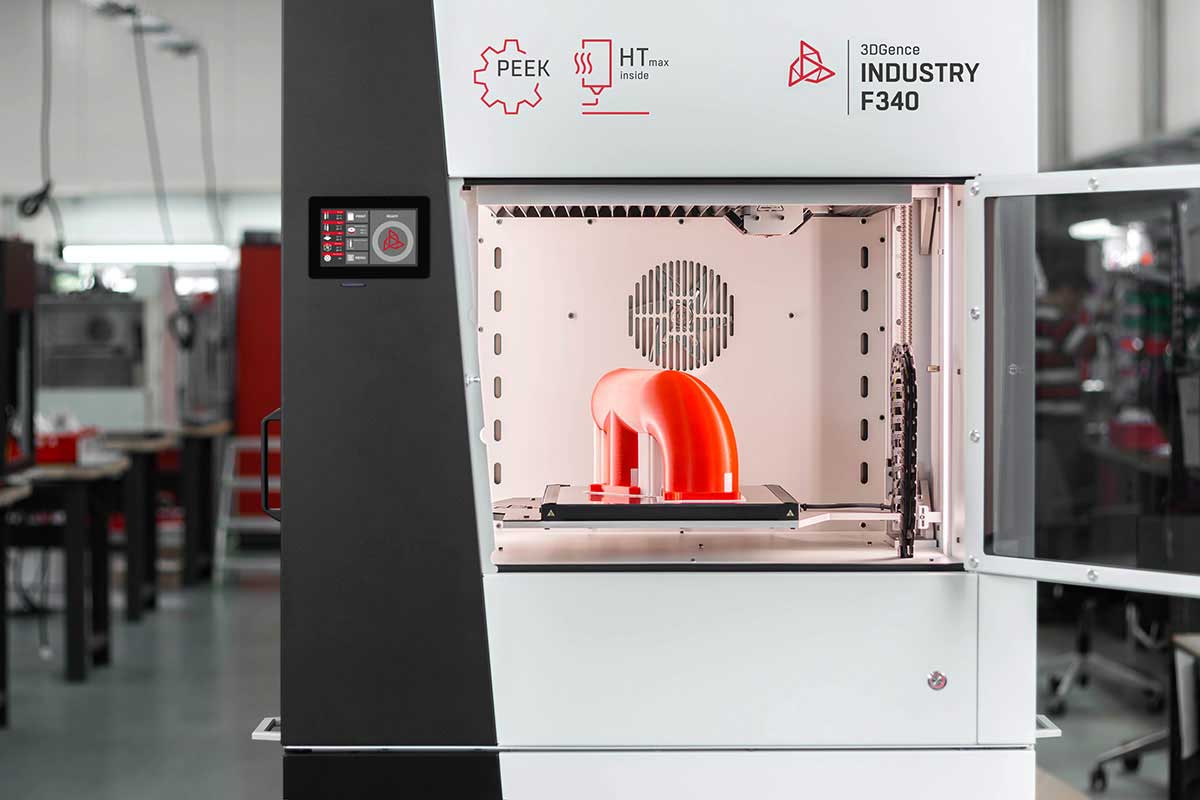
3DGence introduced its first 3D printer in 2014, and since has introduced additional machines including the recent dual-extruder DOUBLE. The INDUSTRY F340 is its most sophisticated printer yet, featuring interchangeable printing modules that allow users to customize the printer to their specific needs. The three modules include:
 The PRO module, with a printing temperature of 190°C – 265°C, which can support ABS, PLA, PET, PP, ASA and Nylon, as well as support materials BVOH and HIPS
- The HT module, with a printing temperature of 265°C – 340°C, which can support PC, PC-ABS, and PC-ESD materials, as well as dedicated breakaway ABS support material
- The HTmax module, with a printing temperature of 340°C – 500°C, which can support PEEK material and dedicated breakaway support material
The modules can be easily changed out without the use of any tools. While the 3D printer can already support a wide range of materials between its three modules, the system also allows for expansion as new materials are developed.
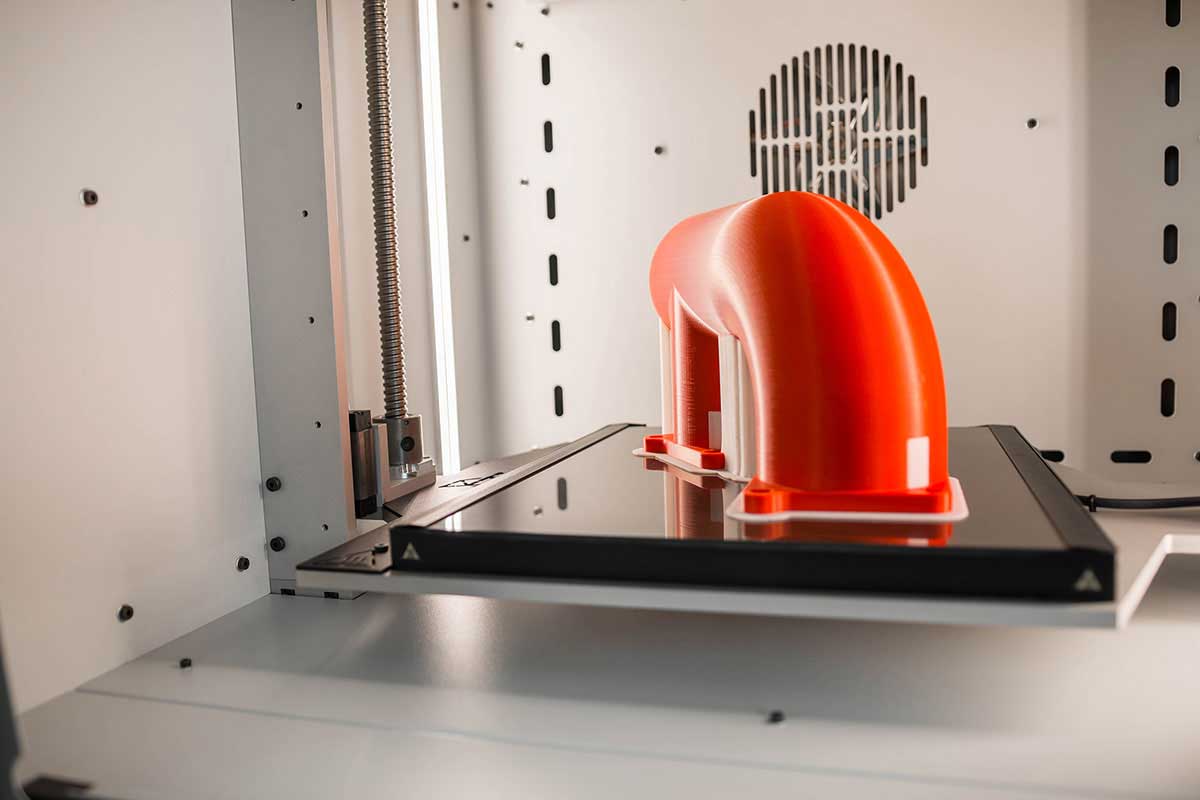
 The INDUSTRY F340 offers a build volume of 260 x 300 x 340 mm and a layer resolution of 150-250 microns. It features a heated material chamber with controlled humidity, as well as a smart material manager that consists of a NFC reader that recognizes loaded material, a material weight control system, an automatic material loading system and a flow control sensor. The 3D printer itself is constructed from powder-coated steel, with a heated ceramic build plate. An actively heated build chamber ensures high quality prints, and an air filter ensures safety and allows for use in any location.
The F340 is designed for the creation of durable, accurate 3D prints with advanced geometry. It is geared mainly toward production companies, with applications including machine parts, housings, conceptual models or mock-ups.
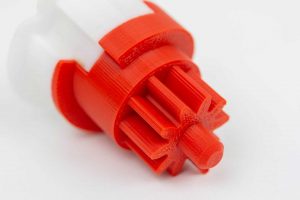
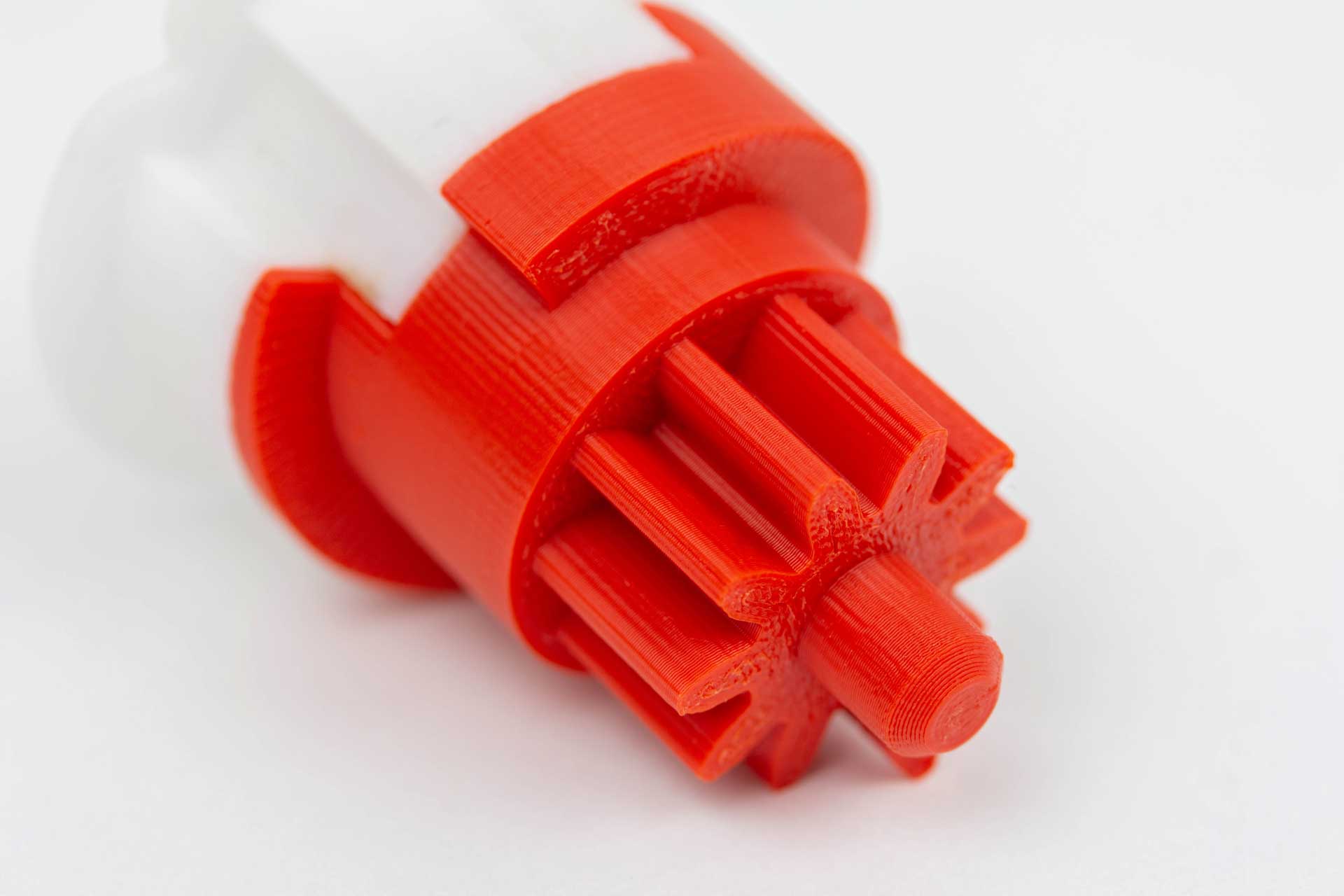
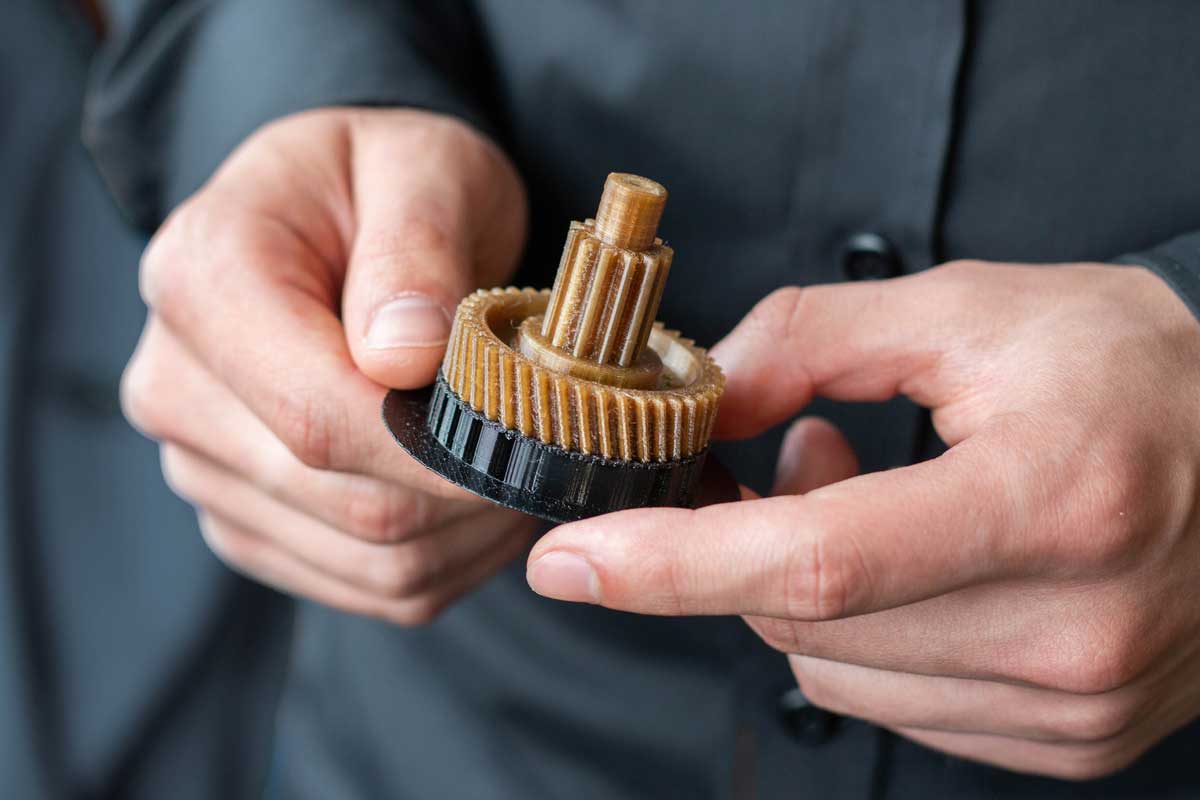
Anyone who is interested in the INDUSTRY F340 can order a free sample 3D printed part from 3DGence. Customers can choose between three parts: a PEEK helical compound gear, a PC-ABS brake caliper, and an ABS indexing gear.
Discuss this and other 3D printing topics at 3DPrintBoard.com or share your thoughts below.
[Images: 3DGence]
Subscribe to Our Email Newsletter
Stay up-to-date on all the latest news from the 3D printing industry and receive information and offers from third party vendors.
Print Services
Upload your 3D Models and get them printed quickly and efficiently.













You May Also Like
Creality K3 Opens for Pre-Order at $849, Advancing Multi-Color 3D Printing
Creality has officially opened pre-orders for the Creality K3, its latest flagship K Series 3D printer, starting at $849 in the United States. Recognized as an IFA Innovation Awards 2026...
Beyond the Printer: HP and DyeMansion Tackle the Future of Prosthetics
Making a custom orthotic or prosthetic device involves much more than producing the final part. Patients need to be measured, devices must be designed to fit their bodies, and finished...
3D Printing News Briefs, October 14, 2026: Bolus, Aerospace Tooling, Water Filter, & More
In today’s 3D Printing News Briefs, we’re starting with medical news, as Myrava has received FDA 510(k) clearance for its 3D printed bolus. Moving on to aerospace and metals, AML3D...
Can India’s AM Push Help Make it a Viable Supplement to China?
Diversifying manufacturing supply chains to locales outside of China has nothing to do with actually cultivating “substitutes” to the Chinese economy. The real stakes are these: China is an irreplaceable...