Aston Martin to Use 3D Printing for Its Most Powerful Engine Yet

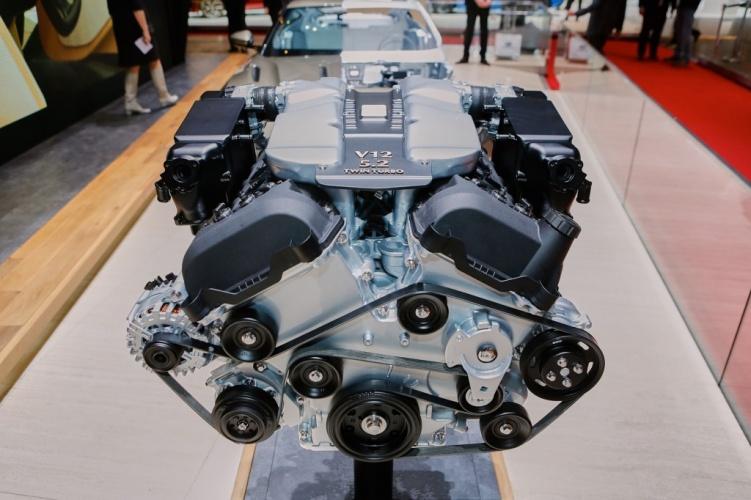
The DB11 12-cylinder engine at the Geneva Motor Show
Grainger & Worrall (GW), an engineering company and automotive castings specialist, has secured a contract with luxury car manufacturer Aston Martin to manufacture engine blocks of Aston Martin’s DB11 using modern enterprise-grade 3D printers and technologies.
Aston Martin’s DB series, which includes the company’s signature designs and iconic cars, still remains as one of the most valuable product lines of the multi-billion dollar firm. DB, which is short for David Brown, represents a time in history in which Brown purchased the financially struggling Aston Martin for just over $25,000 to rebuild its legacy.
The majority of engines featured in the DB series are extremely high performance. Specifically, the DB 11 model Grainger & Worrall has been selected to design is set to have a 48-valve V12 twin-turbocharged engine that can reach the speed of 100 km/h in just 3.9 seconds. The $160,000 car, which is expected to be released in the fourth quarter of 2016, will be Aston Martin’s most efficient and powerful automobile to date, with the fastest-accelerating and most fuel-efficient engine.
Aston Martin CEO Andy Palmer stated that the DB 11 model is going to be the best performing car of the company’s history.
“A brand new bonded aluminium platform, clever aerodynamics, a new characterful twin-turbo V12 and class-leading infotainment systems are just a few aspects which make this the sports car that will proudly spearhead Aston Martin’s second century plan,” said Palmer.

Considering the history of Aston Martin dedicated to the development and creation of the DB11 model, the utilization of the 3D printing technology as a main component of its engine’s manufacturing process is notable.
Grainger & Worrall has collaborated with Aston Martin for decades prior to the contractual agreement for the DB11 engine development. If the company successfully and efficiently integrates 3D printing as a core part of the manufacturing phase, it is likely that Aston Martin will continue to use 3D printers for the creation of custom-made frames and engine components, among other products.
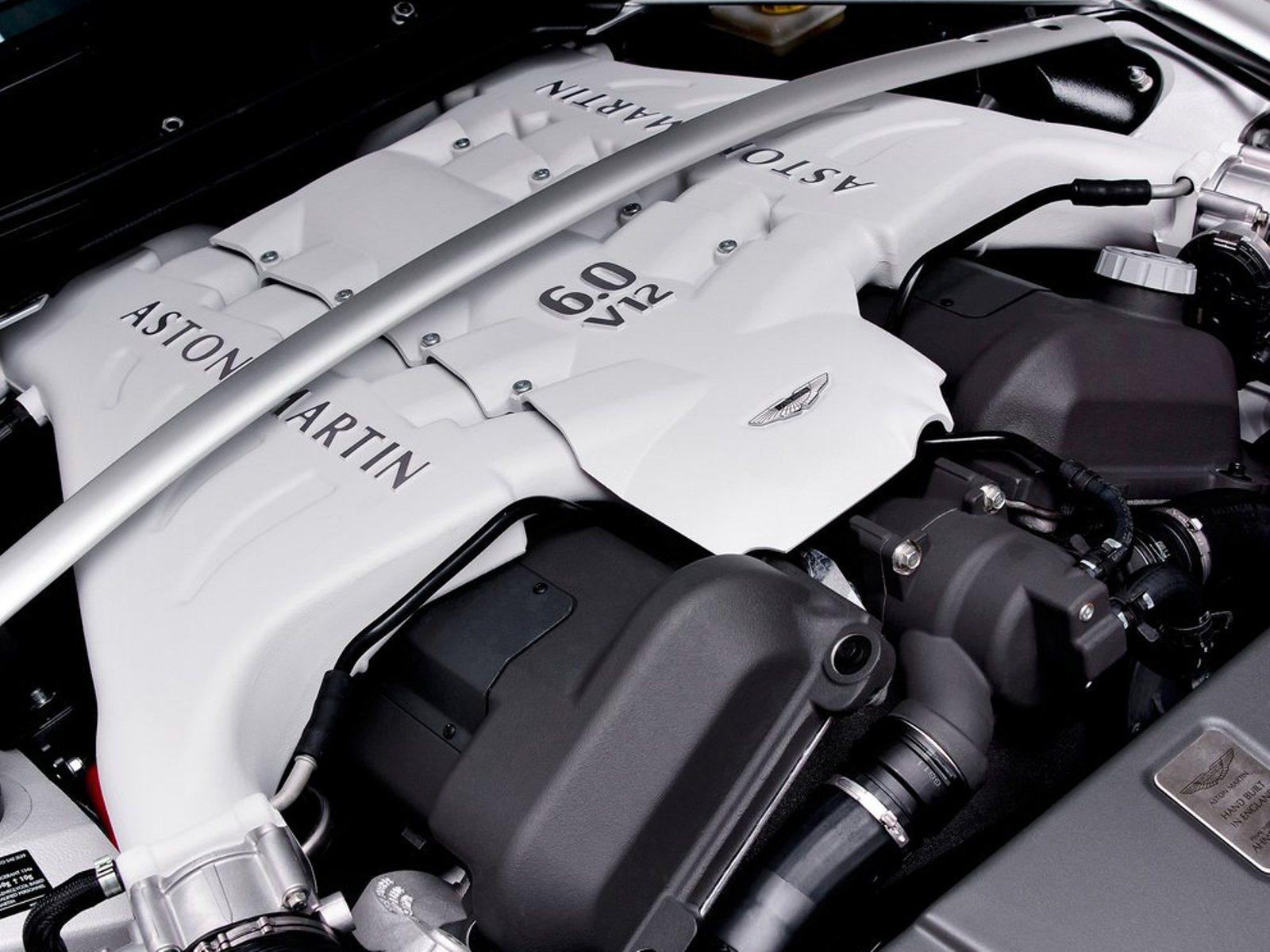 More importantly, GW emphasized that the utilization of 3D printers is necessary to maintain the robust build quality of the Aston Martin DB11 engine and to sustain its lightweight for extra performance. The GW development team also noted that the sophisticated and precise CAD files created by the Aston Martin design team limited the range of technologies GW could use.
“GW’s precision sand casting process, developed specifically for the engines manufactured, delivers accurate, high integrity parts with increased design freedom,” said Edward Grainger, managing director of prototypes at GW. “Utilising the latest real-time x-ray and CT scanning capabilities in parallel ensures exacting and reliable quality development process.”
Discuss in the Aston Martin forum at 3DPB.com.
[Source: The Engineer / Aston Martin]
Subscribe to Our Email Newsletter
Stay up-to-date on all the latest news from the 3D printing industry and receive information and offers from third party vendors.
Print Services
Upload your 3D Models and get them printed quickly and efficiently.











You May Also Like
Inside Xometry’s 2026 Outlook: Why AM Is Becoming Essential — and What’s Still Holding It Back
In the first part of this series, we spoke with Xometry’s Senior Vice President of Marketplace Operations, Mike Cavalieri, about how manufacturers are reshoring, diversifying their suppliers, and building more...
Top 10 Moonshot Ideas for 3D Printing’s Future
As the year comes to a close, it’s clear that additive manufacturing (AM) is entering a new phase. Costs are falling, supply chains are changing, government spending is rising, and...
3D Printing News Briefs, December 31, 2025: Frenzy Engine, Adaptive Slicing, & More
It’s the last 3D Printing News Briefs of the year! On this New Year’s Eve, we’re focusing on Beehive’s completed Frenzy Engine, adaptive slicing for binder jetting, medical 3D printing...
3D Printing Predictions for 2026: Scaling AM Through Software
For several years, we have seen additive manufacturing software play a more central role in our industry. LPBF machines achieve higher yields and can produce thinner-walled parts thanks to the...