Kengoro: 3D Printed Robot Works Up a Sweat at the IEEE/RSJ International Conference on Intelligent Robots & Systems

 We’ve certainly spent a lot of time considering what might happen when robots truly can think like us, but very likely not a lot (on the part of the layman, anyway) has been put into considering how they might also be able to move and even show off their stamina like we do one day. And while we so often borrow from nature to find inspiration and the key to innovation—from butterfly wings to salamanders in 3D design of all sorts—now we see that also instilled in a recent project emerging from Japan as robots not only beat us in phys ed now, they’ve got the perspiration to prove it.
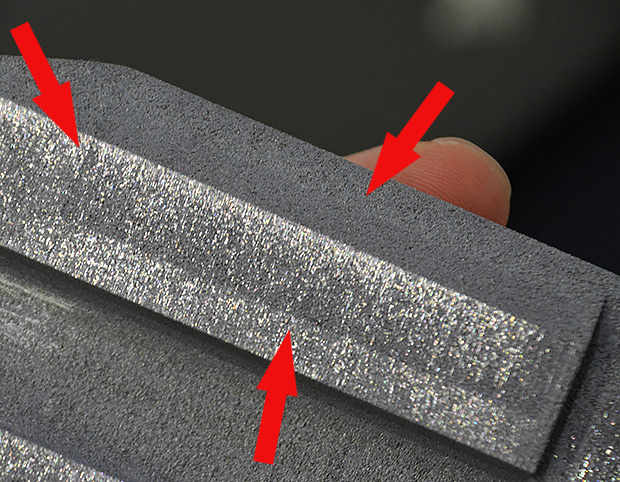
The 3D printed metal offers varying levels of permeability that enable the ‘sweating’ concept. [Image: JSK Lab/University of Tokyo]
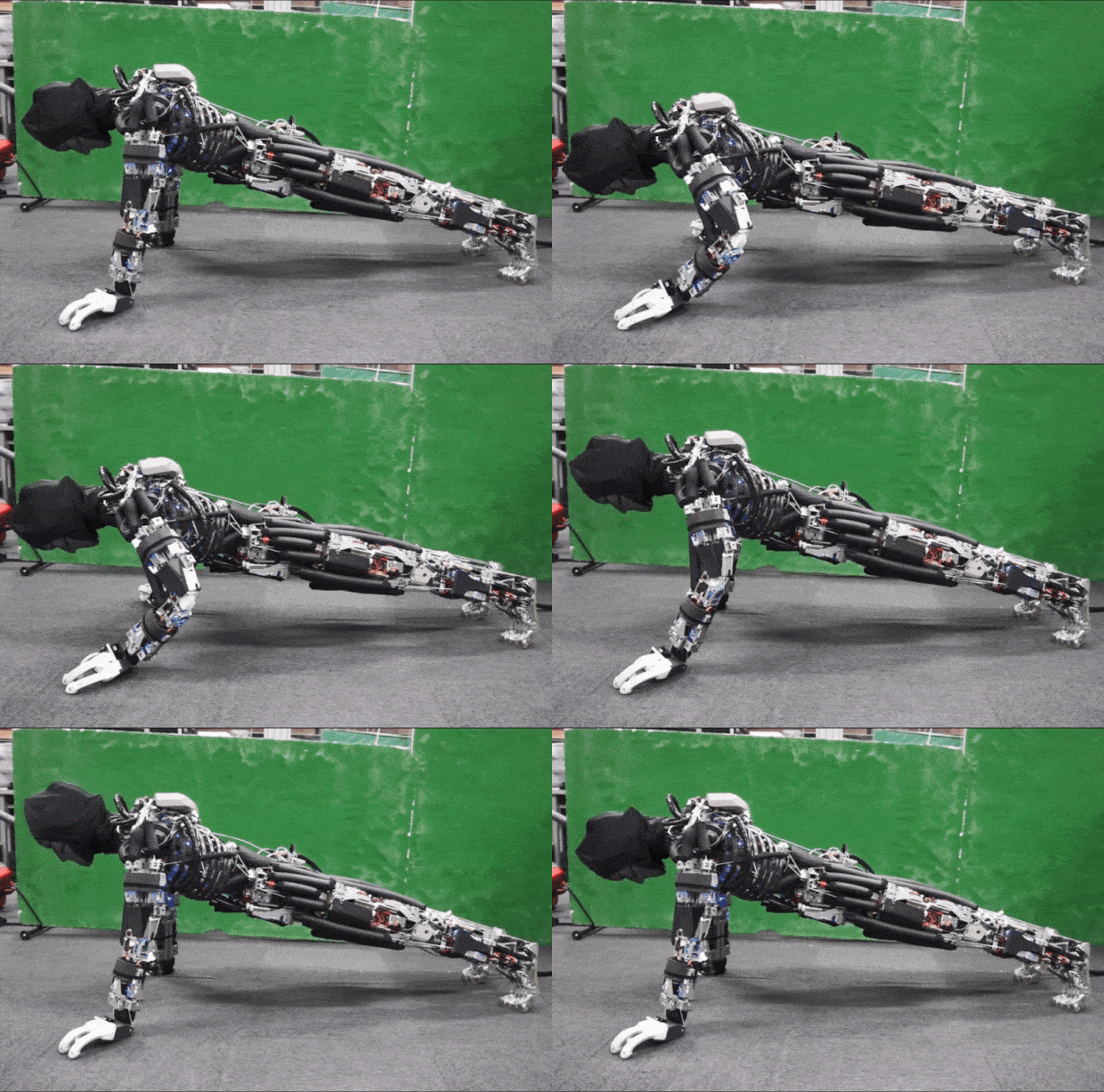
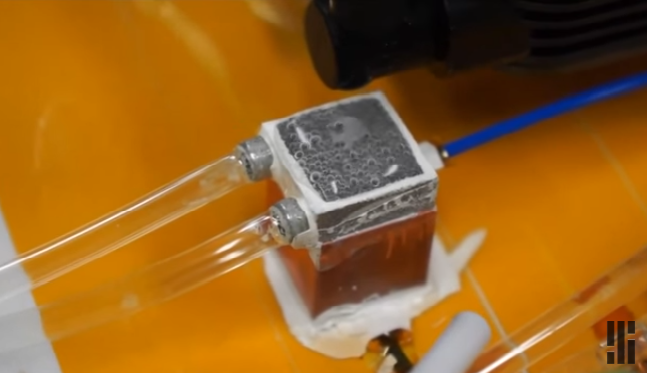
The team is from JSK Lab at the University of Tokyo. Led by Professor Masayuki Inaba, they have created Kengoro as their third robot, with Kojiro and Kenshiro preceding him. The bio-inspired machine boasts 108 motors, along with a variety of circuit boards, gears, and more. With so many components, the research team was forced to innovate in terms of a cooling mechanism simply due to a lack of room. They chose to look at the 3D printed metal frame of the robot as its ‘skeleton’ and sought a way to make a much more creative cooling system than ever seen before. And it’s the 3D printed element that allows for this sweating mechanism to begin with, due to the varying levels of permeability allowed in the metal material working as microchannels for the fluid (water) to act as sweat when things get hot—ultimately cooling off Kengoro.
[Image: JSK Lab/University of Tokyo]
“Usually the frame of a robot is only used to support forces,” lead author Toyotaka Kozuki said in a recent interview. “Our concept was adding more functions to the frame, using it to transfer water, release heat, and at the same time support forces.”
As you can see from the images and the video below, Kengoro is definitely operating on a much different level from the robots we’re using to seeing. He can do push-ups continuously for 11 minutes with this new cooling system which the researchers state is three times better than traditional air cooling. Just one cup of deionized water is enough to keep him cooled for half a day.
[Screenshot from video provided by JSK Lab/University of Tokyo]
Subscribe to Our Email Newsletter
Stay up-to-date on all the latest news from the 3D printing industry and receive information and offers from third party vendors.
Print Services
Upload your 3D Models and get them printed quickly and efficiently.











You May Also Like
Post-Printing at RAPID 2026: PostProcess Technologies & Mass Finishing
The whole 3D printing workflow was on display in Boston at RAPID+TCT last week, from design software and 3D printing hardware all the way to post-processing and finishing solutions. For...
RAPID Roundup 2026: New Machines and Market Moves
RAPID + TCT 2026 wrapped up yesterday, but the show floor proved there’s a lot happening across the additive manufacturing (AM) space, especially when it comes to new hardware and...
trinckle’s Tool Design Software Lands in Stratasys GrabCAD Print
I’m a fan of trinckle, the German startup that offers super easy-to-use tools for creating customized jigs, fixtures, and other 3D printed products. With trinckle, it’s not just designers who...
Farsoon’s Fine Laser Spot 3D Printing Gives China a Thermal Management Edge
Metal additive manufacturing (AM) systems generally utilize lasers with spot sizes that fall into a range of 80 micrometers (μm) to 100μm, although dynamic beam shaping may soon lead to...