MyMiniFactory’s Newest 3D Printing Design Challenge: Make the Google OnHub Look Fabulous

 I still remember the days of dial-up Internet – the endless waiting, the horrible screeching noises as the modem struggled to connect. It goes without saying that connecting to the web is much, much easier now, but it’s not without its frustrations, especially when wireless networks are involved. My favorite game is “guess why the Internet isn’t working this time!” (Yes, kind technical support representative on the phone, I unplugged the modem and the router and plugged them back in. Nine times.)
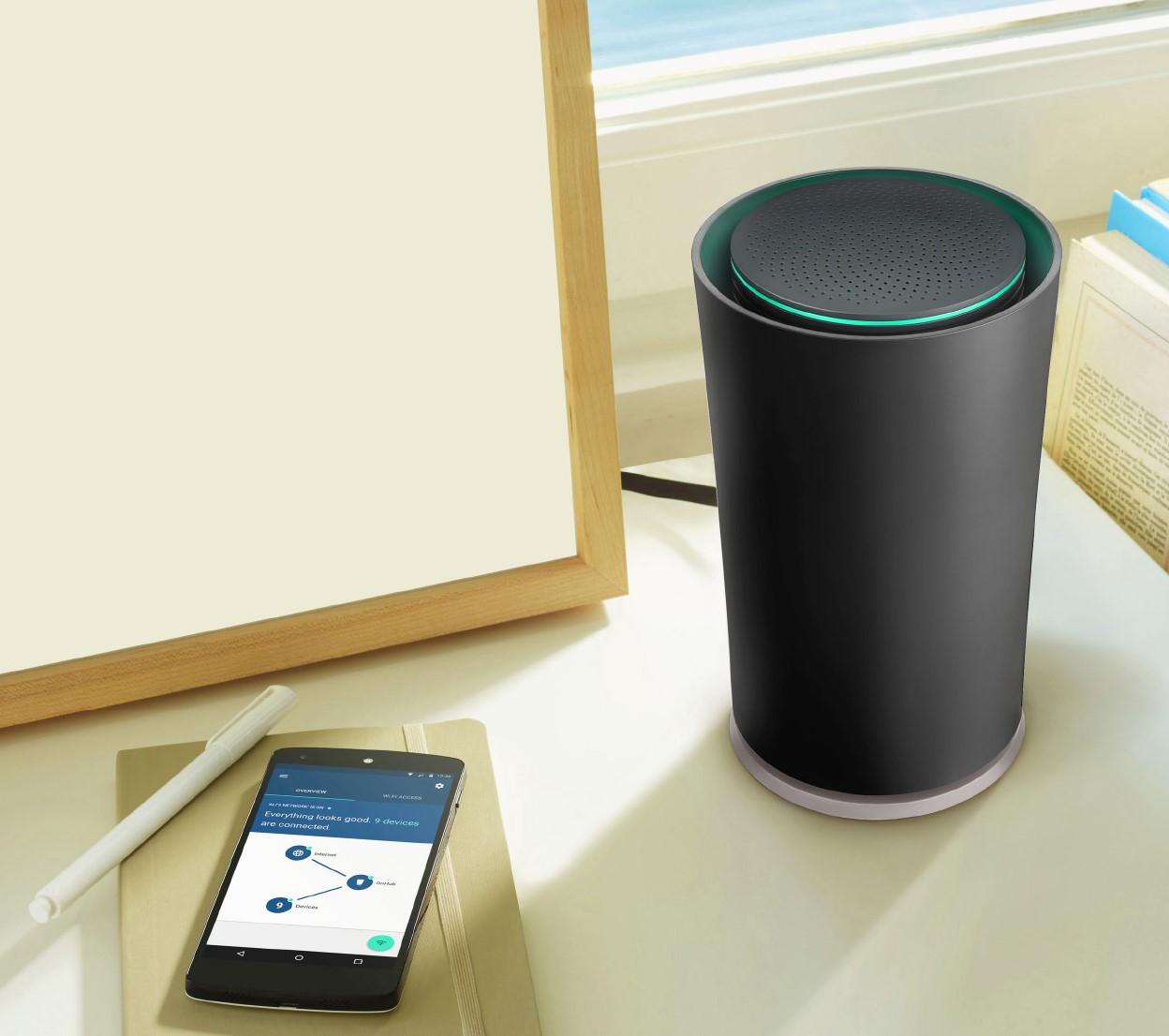
Thankfully, technology has improved to the point that hourlong, frustrating-to-the-point-of-tears phone conversations with tech support are becoming less frequent, but our wireless connections still fail us much more often than we would like them to. Google’s new OnHub router promises to eliminate, or at least drastically cut back on, the issues that make us want to bang our heads against the wall: the slow connections, the interrupted connections, the buffering (oh, the buffering!) and the refusal to connect at all. In fact, it promises to deliver a superstrong, ultra-fast connection to more than 100 devices at once.
That’s something to celebrate, for sure, and what better way to celebrate than with a 3D design contest? MyMiniFactory has teamed up with Google OnHub for a new competition that challenges participants to design 3D printable shells for the cylindrical routers.
“The OnHub has been designed with customisability in mind, and Google encourages makers to embellish the device with awesome looking shells,” MyMiniFactory states. “In light of this, we are challenging you to design and submit 3D printable shells for the OnHub. Unleash your creativity and make the device look as exciting as possible. 3D printing allows you to create almost anything you can imagine, so put your design skills to the test and make the OnHub look unique and amazing!”
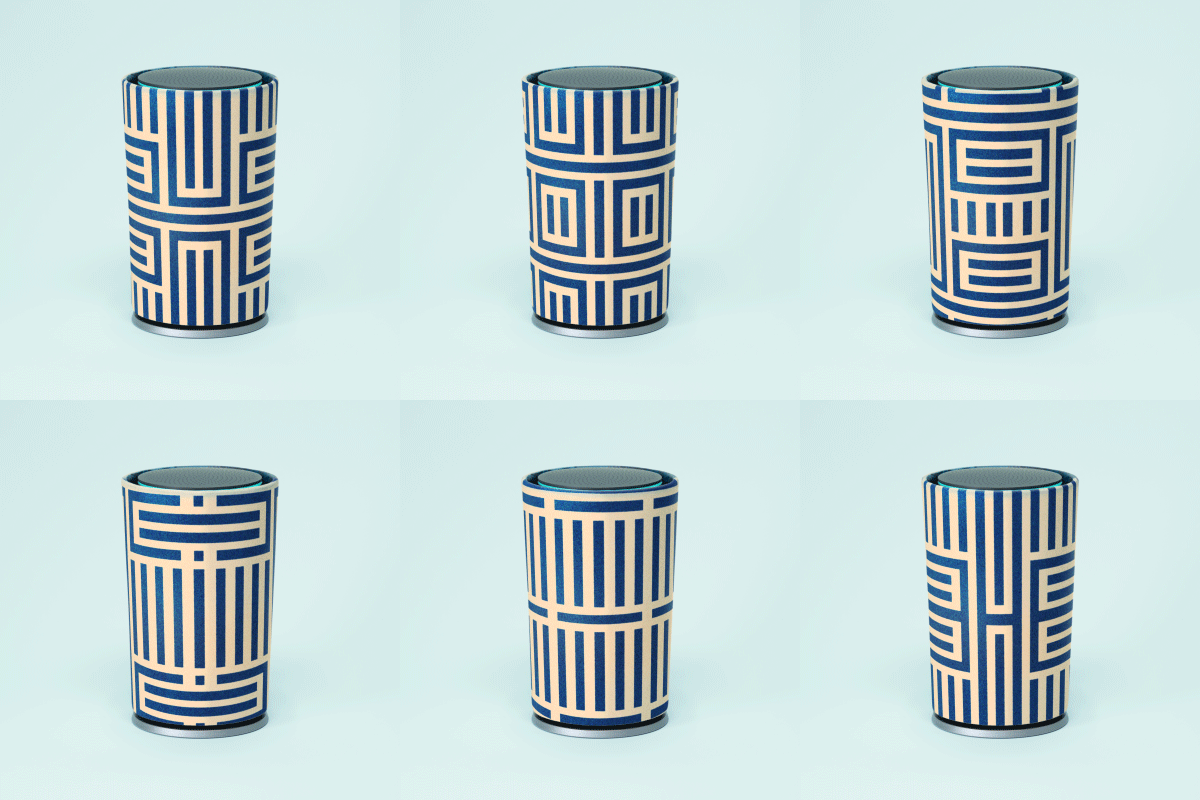
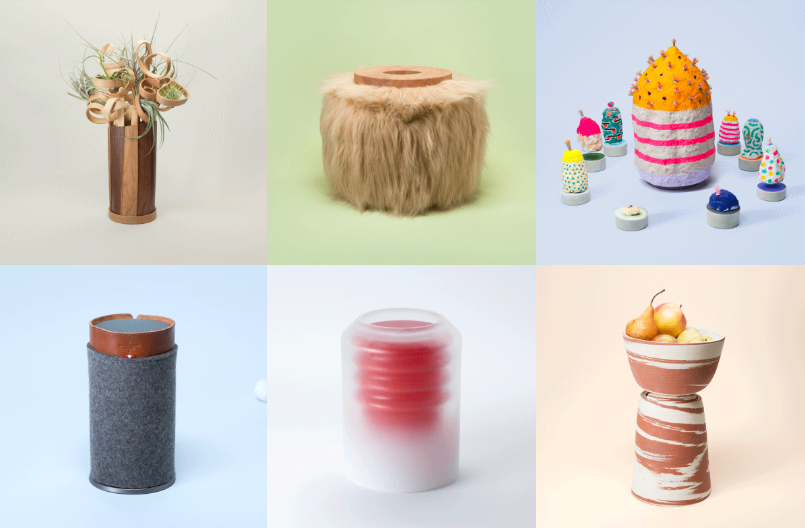
Google OnHub has an entire Maker’s Page dedicated to customized shells, featuring designs from professional artists in 3D printing and other media. It also includes a Maker’s Packet with full instructions, guidelines and customizable files for creating your own. (You can also download the STL file for the basic OnHub shell from MyMiniFactory for free.)
Submissions for the competition are being accepted from today until July 5. Winners will be selected through a voting process that will take place from July 19-26. Two winners will each receive their own Google OnHub, valued at $200. There is no limit to the amount of entries you can submit, and ownership rights will remain with the designer even though all designs will be made free for download as soon as they are submitted.
A few more submission guidelines: if your design consists of multiple parts, make sure to zip them together into one file, and add a note if your design requires any special materials, i.e. NinjaFlex. Take a look at some of the designs in the Google OnHub Maker’s Page gallery for inspiration, and get to work – because the only thing better than a superstrong, super-fast router is a superstrong, super-fast router in a fabulous coat.
Subscribe to Our Email Newsletter
Stay up-to-date on all the latest news from the 3D printing industry and receive information and offers from third party vendors.
Print Services
Upload your 3D Models and get them printed quickly and efficiently.













You May Also Like
EOS Joins the MAT‑H2 Consortium
EOS is joining the MAT‑H2 consortium. MAT is an EU-funded group that aims to do research into a hydrogen-led economy. The thinking is that hydrogen will be a clean energy...
Where the Money is Going, Part Two: Why All Roads Lead to AI
In Part One of this article, Vanesa Listek expertly described the major themes driving infrastructure investment so far this decade, illustrating how the same concerns are driving both public and...
DTU 3D Prints New Fuel Cell Design With 5x Power Boost
Technical University of Denmark (DTU) researchers have used Lithoz ceramics 3D printing to make more efficient hydrogen fuel cells. With a part made from Lithoz Yttria Fully Stabilized Zirconia (8YSZ),...
Fraunhofer ILT Tests 3D Printed Titanium Reactors to Generate Hydrogen Onboard Heavy Vehicles
The Aachen-based Fraunhofer Institute for Laser Technology (Fraunhofer ILT) is to research titanium aluminide hydrogen reactors and heat exchangers. The hope is that lightweight, better-performing 3D printed components will make...