3D Printer Manufacturer ROBO3D Teams Up to Bring the Pixelio 3D Scanner to Kickstarter

[Edit to Update: the Kickstarter campaign is live and well on its way to achieving its goal! Within the first 36 hours, the campaign had received over 33% of its goal–and there’s still over a month left to go.]
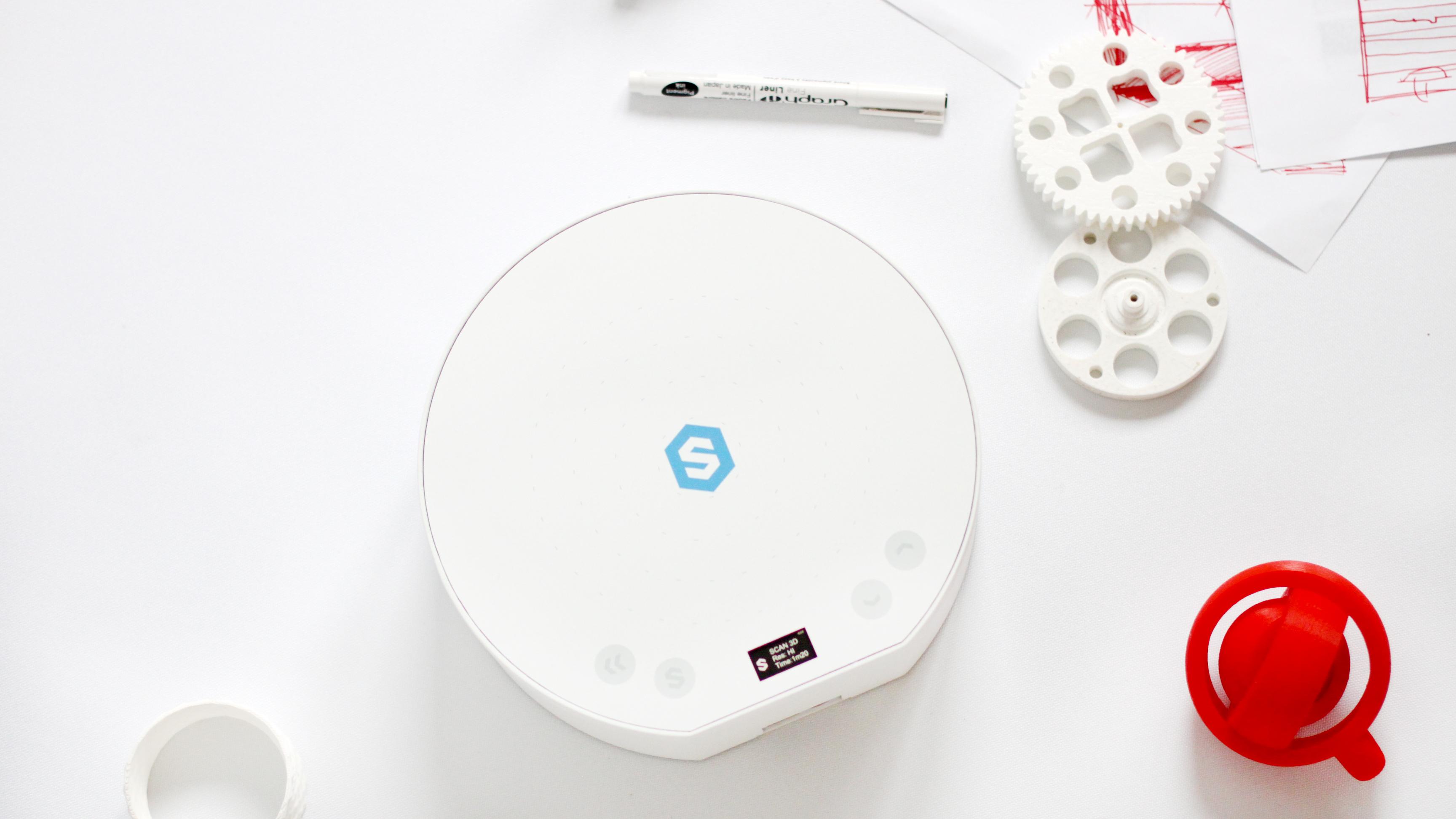
Having a smartphone unlocks access to a great deal of the latest technology, now including a device that acts to allow your smartphone to function as a 3D scanner. All it requires is the installation of some free software and the purchase of an attachment which can be paired with any smartphone. This latest creation comes from Smart 3D Ltd., a UK-based startup company that will be launching the funding campaign for the Pixelio device on October 31st through Kickstarter. Smart 3D is also partnering with ROBO3D, which will provide support for PX through access to its distribution channels, making it even easier to get started scanning in the comfort of your own home.
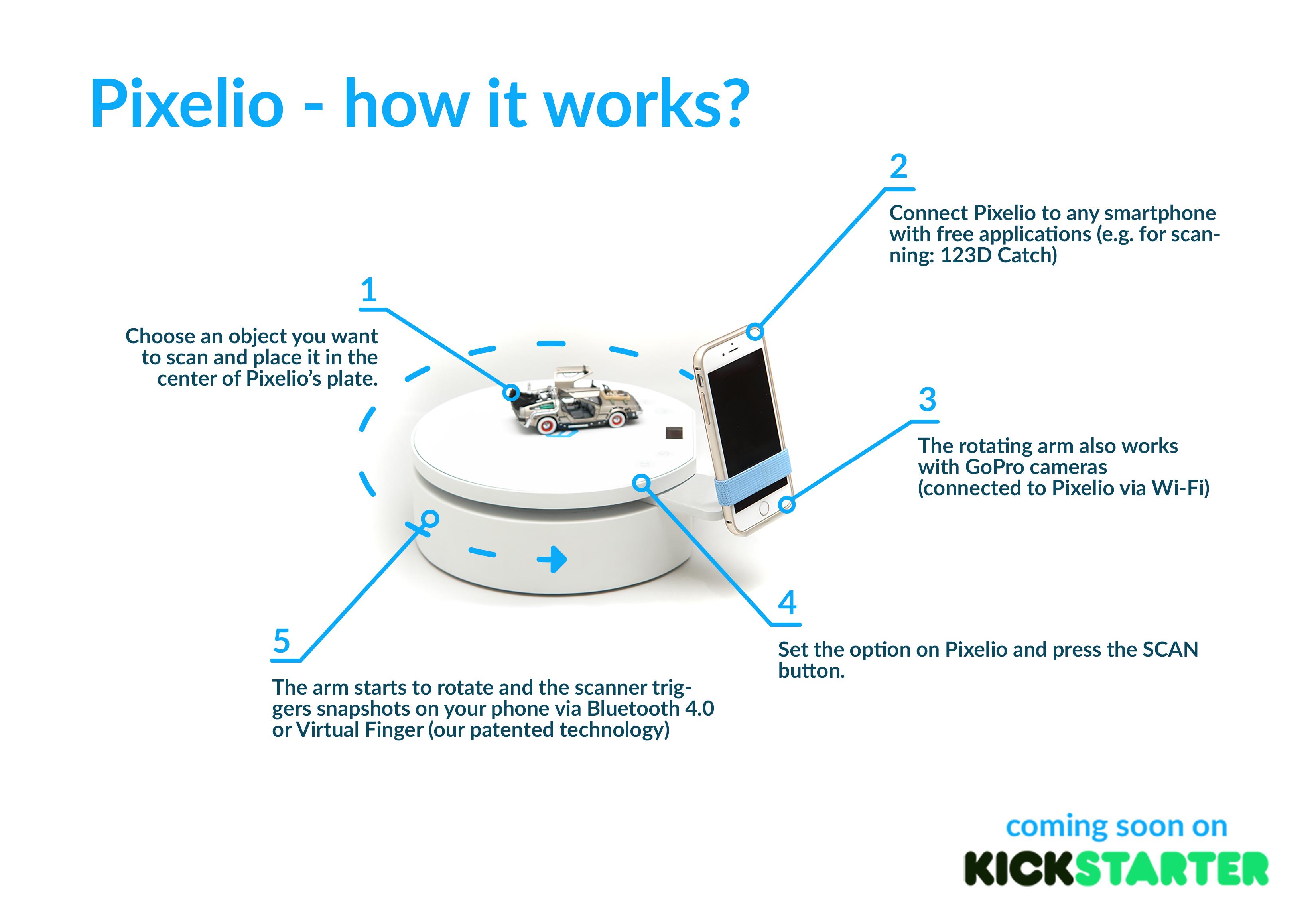
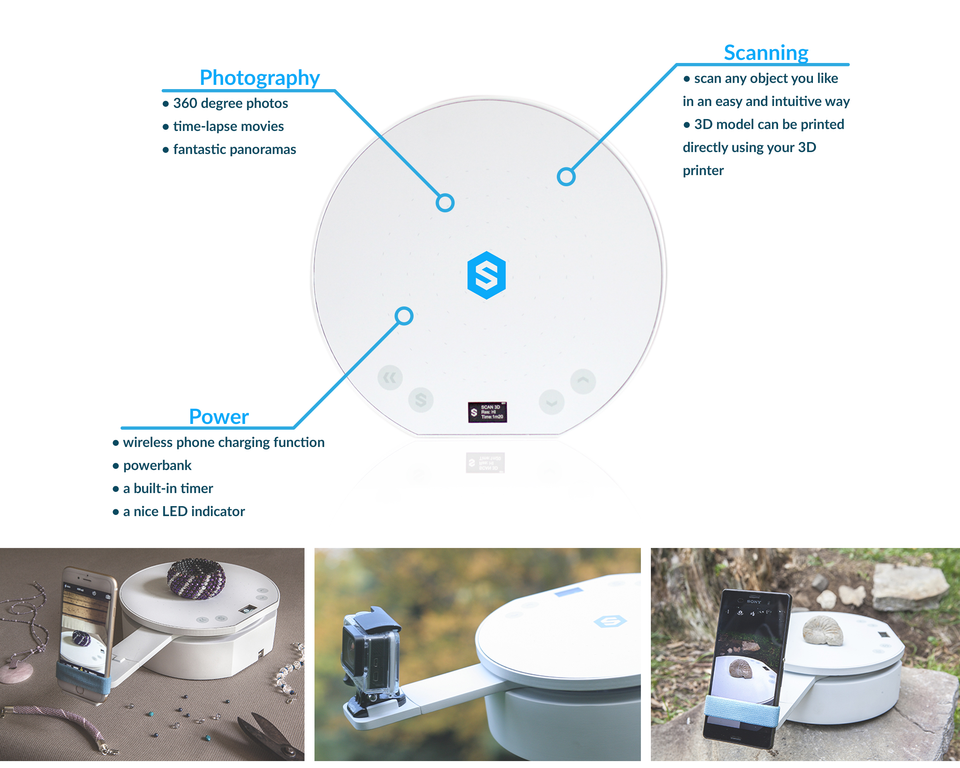
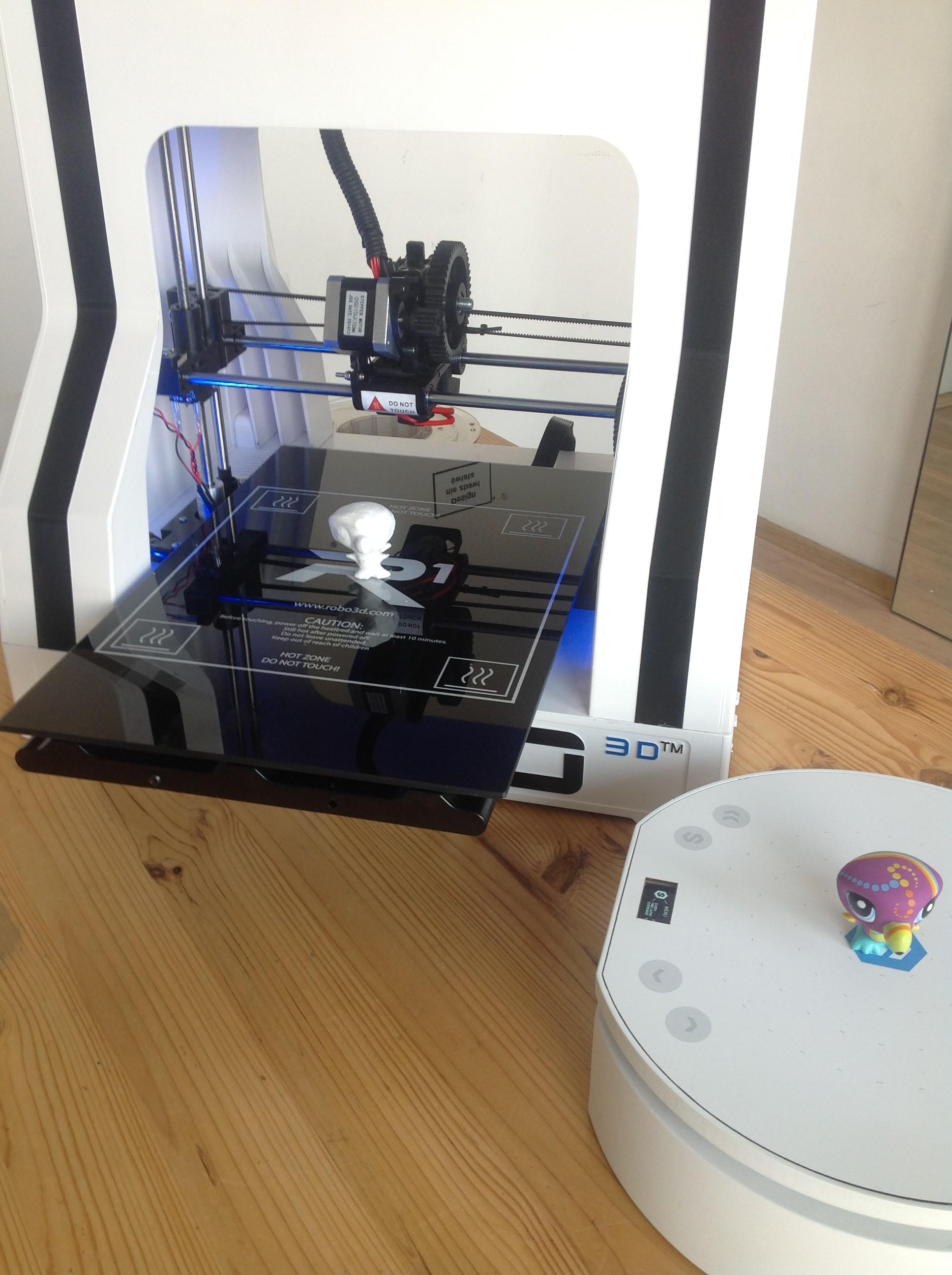 The device consists of a platform from which a ‘planetary arm’ extends. The smartphone is connected to the arm, the object to be scanned placed on the platform, and by starting up the app, the phone starts its rotation around the object. When combined with 123DCatch, the scan information is then turned into a 3D model that is ready to become a 3D print.
The scanning technology allows the smooth rotation of the smartphone around the object, creating a high fidelity set of images free of blur, shake, or other issues faced by those trying to create a scan from hand held smartphone images. As if that isn’t enough fun, you can also use the device to make omni-directional movies when operating the PX in conjunction with the Arquspin app. And if you still want to do more, you can create time-lapse movies by installing the PX on a tripod and either manually setting it to start and stop, or programming it to begin and end at some future time.
When the campaign begins on Kickstarter, seeking to raise $50K, an early bird price will be offered as a reward for early adopters. If you jump on it, you can get this device for only $119 USD which is, I have to admit, approximately the same as my budget for Halloween candy…and won’t make me fat.
“Until now, the market has lacked a small and mobile 3D scanner that is as easy to use as our device,” says Sebastian Adamek, CEO of Smart 3D Ltd. “Pixelio can be used by anyone with a smartphone or a GoPro. The development of printing and 3D scanning would not be possible without giving that possibility to every user. That was our goal when we created Pixelio – to make 3D available to everyone…”
 The key to determining whether this little device is the next big breakthrough in home scanning or another expensive gimmick will be in the quality of the 3D file created and how restraining the small size of the platform is in terms of objects that people really want to scan. Think of it this way: I have a nice sewing machine at home, it does all kinds of fancy stuff. My kids also really want to sew, but I’m not thrilled about the idea of them using my machine, so I got an inexpensive sewing machine that is meant for kids. They enjoyed playing with it, realized that sewing is a lot more work than it appeared to be, and now it sits, not powerful enough for anything that I need.
With the PX 3D, it remains to be seen whether this will be a reasonably inexpensive way for people to figure out they really need a bigger and better scanner or if it will satisfy a particular steady demand and so remain an essential part of the 3D scanning market. Discuss this story in the Pixelio 3D Scanner forum thread on 3DPB.com
Subscribe to Our Email Newsletter
Stay up-to-date on all the latest news from the 3D printing industry and receive information and offers from third party vendors.
Print Services
Upload your 3D Models and get them printed quickly and efficiently.












You May Also Like
Consolidation in AM: How 2025 Is Shaping the Industry’s New Normal
The first half of 2025 has been marked by a clear shift in the additive manufacturing (AM) industry. Companies are no longer just focused on developing new tech by themselves....
Etsy Design Rule Change Reduces Selection of 3D Printed Goods
Online marketplace Etsy has implemented a rule change requiring all 3D printed goods on the site to be original designs. The update to the site’s Creativity Standards states, ¨Items produced using...
U.S. Congress Calls Out 3D Printing in Proposal for Commercial Reserve Manufacturing Network
Last week, the U.S. House of Representatives’ Appropriations Committee moved the FY 2026 defense bill forward to the House floor. Included in the legislation is a $131 million proposal for...
Transforming From Tourist to Native: Duro CEO Michael Corr Explains Why the Company Rebuilt its PLM Software on AI
In these early innings of the AI boom, many market analysts have expressed concern that AI spend has gotten too far ahead of the technology’s proven ability to deliver significant...