New taulman3D t-glase Polar White Filament Developed For and Used in Food Rising’s Grow Box Systems


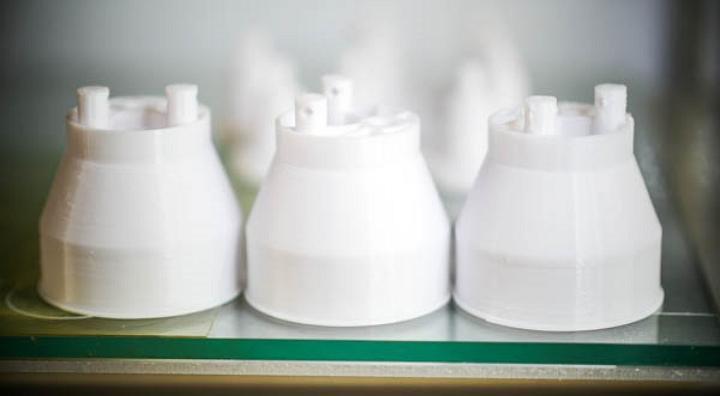 T-glase Polar White 3D printing filament, from taulman3D, was co-developed by the “Health Ranger,” Mike Adams, a Texas-based lab science director and inventor who worked with taulman3D to create the strong, water-tight material as part of his non-profit project Food Rising. The FoodRising.org site is dedicated to sustainable mini-farm concepts.
While the original t-glase filament is clear, the new t-glase Polar White is opaque and significantly stronger than the existing line of t-glase filaments. Adams says it has a very high structural integrity and high resistance to delamination.
T-glase Polar White achieves high flow rates–at relatively low print nozzle temperatures–and features minimal shrinkage during the printing process and very high durability of the finished object.
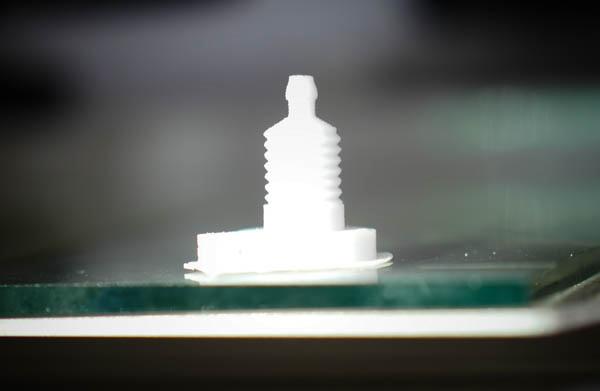 Adams says he uses t-glase Polar White filament to produce functional valve parts used in his hydroponic Food Rising grow systems.
“We needed a 3D printer filament that would produce water-tight, functional parts with small nozzles that resisted breaking,” Adams says. “It also had to print reliably, even on non-heated print beds. Nothing else existed on the market with these properties, so I reached out to the Taulman company for a custom solution.”
The result of the work was so effective that taulman3D added this new filament to their materials line, which includes t-glase, Bridge Nylon, and a number of other filament types.
According to Adams, t-glase Polar White prints with exceptional precision as witnessed by his ability to print the fine threads needed to build parts like the float valve included in his Food Rising Grow Box.
Adams has donated 250 of his Food Rising Mini-Farm Grow Box systems to schools, universities, community centers, and churches across America. He says he hopes that helping teach children how to grow their own food–while teaching them about 3D printing technology–will benefit both nutrition and science learning.
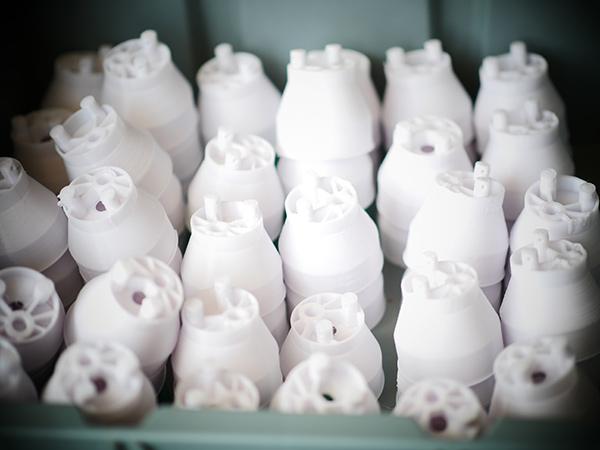 The prints shown here were made at Adams’ print farm using 20 lb. spools of t-glase Polar White.
Makerfront.com says that strength test figures will be posted on their site for t-glase Polar White once numbers are returned from the local test lab and a few university labs they’ve contacted to accumulate data. They say the testing process involves printing several “test bars” at 5″ x 0.5″ x 0.25″.
T-glase is specifically made of FDA approved polymers for direct food contact products and containers, and those uses include cups and other liquid storage parts. Makerfront.com adds that while T-glase is not biodegradable like PLA, it is considered “100% reclaimable.”
Adams says the t-glase Polar White development process sprung directly from his desire to help defend the rights of home gardeners and protect the medical freedom rights of parents.
What to you think of the new t-glase Polar White filament? Let us know in the t-glase Polar White forum thread on 3DPB.com.
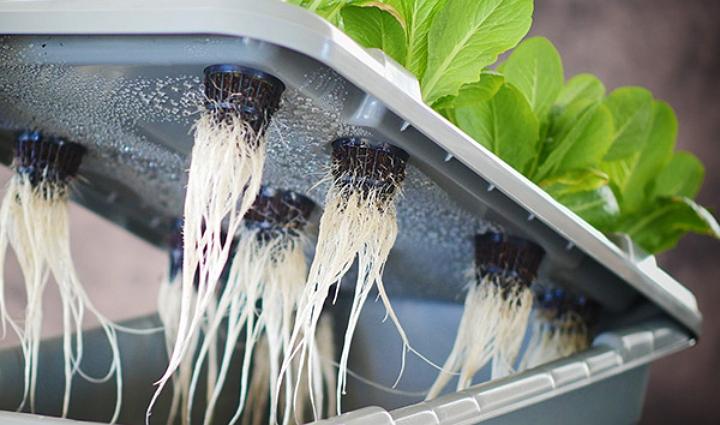
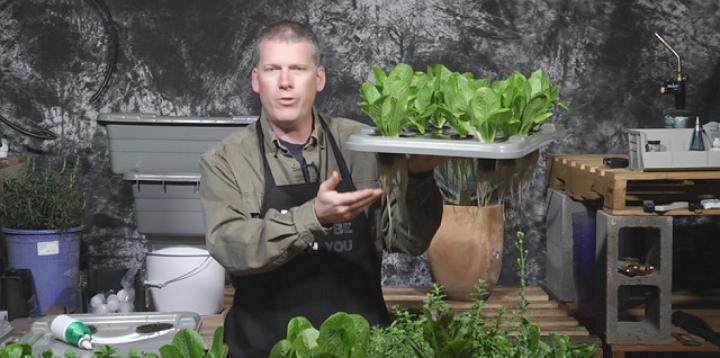
Mike Adams
Subscribe to Our Email Newsletter
Stay up-to-date on all the latest news from the 3D printing industry and receive information and offers from third party vendors.
Print Services
Upload your 3D Models and get them printed quickly and efficiently.













You May Also Like
Metal 3D Printers for the Desktop Are Finally Starting to Feel Like Desktop Products
FDM 3D printing is becoming increasingly accessible, yet metal 3D printers designed for everyday desktop use remain rare on an ordinary workbench. The real challenge is not making a metal...
What 3D2GO Says About 3D Printing’s Growth in Southeast Asia
The Philippines offers an interesting case study in how 3D printing can develop in Southeast Asia, and Manila-based 3D2GO helps illustrate it. 3D printing in Southeast Asia doesn’t have to...
The Frankenservice Part 2: Have Your Cake and Eat it Too
This series of articles delves into a thought experiment. What if we let go of using a few machines very optimally, but instead use lots of different machines to meet...
Silencer Market Set to Test Metal Additive’s Readiness for Production Prime Time With Enormous Market Expansion
Throughout the history of additive manufacturing (AM) technologies, there are only a couple of really interesting case studies in which we see a market significantly disrupted and revolutionized by AM....