A 3D Printed Water Cooler for Raspberry Pi


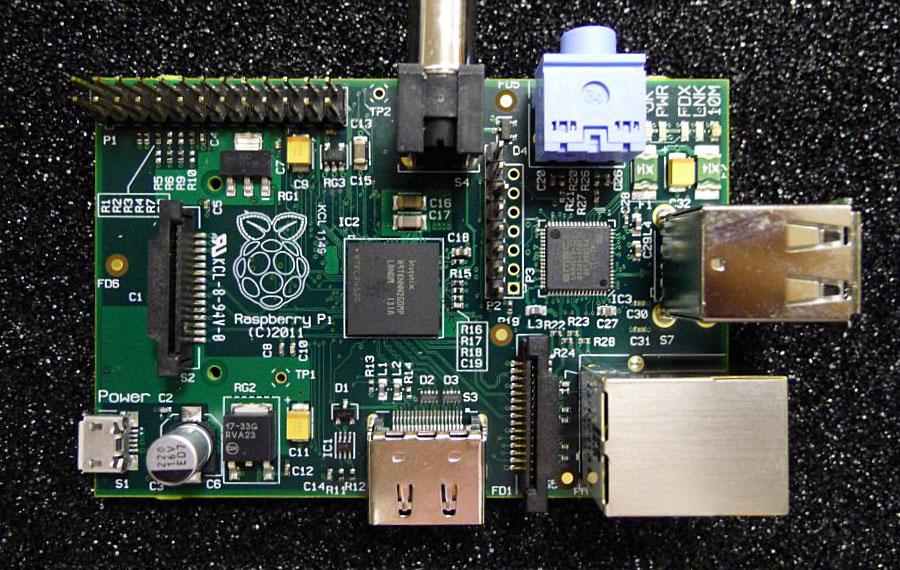
The idea of a water cooler for Raspberry Pi brought to mind some sort of sweet summery drink complete with paper umbrellas and a pounding headache the first time I heard it. The item itself is actually a single board computer approximately the size of a credit card that was developed by the Raspberry Pi Foundation. The foundation, created in 2006, hoped the product would help to promote the study of basic computer science and receives its support from the University of Cambridge Computer Laboratory and Broadcom. Its co-founder Eben Upton described the reasoning behind the initiative:
“The lack of programmable hardware for children – the sort of hardware we used to have in the 1980s – is undermining the supply of eighteen-year-olds who know how to program, so that’s a problem for universities, and then it’s undermining the supply of 21-year-olds who know how to program and that’s causing problems for industry.”
 The kind of philosophy that led to the development of this technology is in perfect keeping with the pedagogical trends in favor in 3D printing and the open source resourcefulness boasted by sites such as Instructables. Upton would surely be proud of the kind of innovative initiative taken by user name ‘Unprecedented’ in the creation of a water-cooling system for the Raspberry Pi’s ARM processor. The user bubbles with the same type of enthusiasm that must have led to the Raspberry Pi’s development:
“I wanted to give the gift of easy water cooling to the entire raspberry pi community. I decided to build a 3D printable water block that anyone with access to a 3D printer could build. What if you don’t have a 3D printer? Well, you can still build one!”
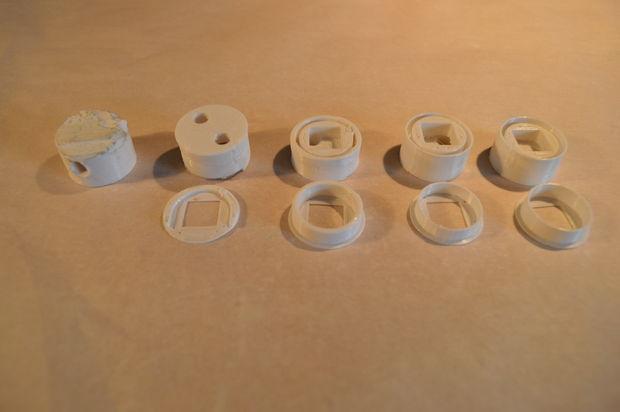 As per usual, the Instructable comes with the address to download the 3D files needed to print the pieces. Alternatively, if you don’t have a 3D printer (and maybe don’t feel like building one just yet) you can buy the printed parts through Unprecedented’s Shapeways storefront.
Aside from what it costs to purchase the supplies, I must warn you that there is a small monetary investment involved. You will need to sacrifice: a penny. Just as in the old bon mot, “a penny saved is a penny that can be used in the bottom of a homemade Raspberry Pi water cooler.”
The penny is pressed into the bottom piece of the cooler, being careful to remove any extra sealant that might leak onto the penny and prevent a good transfer later. Unprecedented warns that you will want to test the seal created during step 4 before moving on in the project otherwise you will find yourself attempting to dry and fix leaks that are nearly impossible to find.
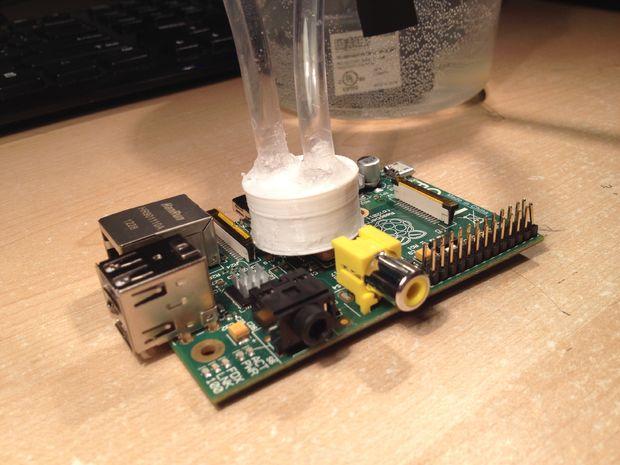 Following the detailed instructions, interspersed with updates as troubleshooting occurred, along with the numerous photographs leads to a water cooler to be attached firmly to the Pi. If you take the project from start to finish (including building a 3D printer) you will have gone a long way toward just the sort of tinkering and sharing Upton and others envisioned when the first created the Pi itself.
Although I have to admit, I still like the idea of that drink…
What do you think about this project? Is it something you would find useful? Tell us what you think over at the 3D Printed Water Cooler for Raspberry Pi forum thread at 3DPB.com.
Subscribe to Our Email Newsletter
Stay up-to-date on all the latest news from the 3D printing industry and receive information and offers from third party vendors.
Print Services
Upload your 3D Models and get them printed quickly and efficiently.













You May Also Like
How the World’s Most Advanced Tech Companies Are Using 3D Printing
3D printing has been around for decades. For most of that time, it was a prototyping tool. Engineers used it to check if a design looked right before spending money...
The New Dental Lab: “Three Technicians Can Handle a Hundred Arches,” Says Digital Dentistry Expert Josh Jakson
Josh Jakson’s path into digital dentistry started long before he had a job title. He grew up around it. His father, a Polish immigrant, started the family’s dental laboratory in...
Why Beam Control Could Redefine the Future of EB-PBF
In Part 1, Ulf Lindhe examined how advances in beam control, point melting strategies, and process monitoring are changing the way engineers think about electron beam powder bed fusion (EB-PBF)....
Additive Manufacturing at a Crossroads
Additive manufacturing is at a crossroads. Simultaneously, we find ourselves between certain very different modalities, applications, and industries. Rather than being able to explore them all, companies will now have...