American Museum of Natural History Assigns Students Clever 3D Scanning & Printing Dinosaur Project

This summer, students used 3D printing technology to re-create the skeleton of a dinosaur at The American Museum of Natural History in New York City. Rather than studying the bones behind glass or even being allowed to handle plaster casts, these students are directly involved in the actual creation of the bones themselves. They are given a set of fossils from the museum’s collection and then shown how to create 3D models in order to fabricate the replicas. Capturing dinosaurs is the first time the museum has tried to use digital fabrication as a way to teach young people about science.
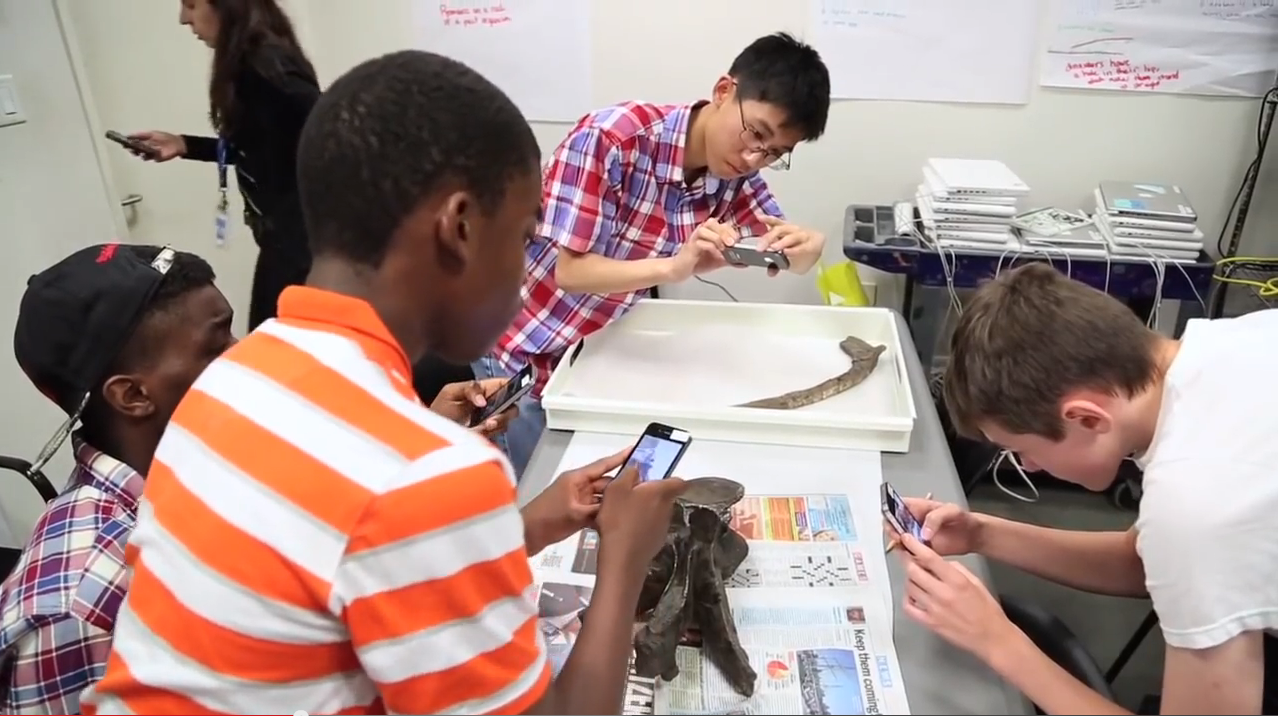 The students who participated in the learning experience were not told which dinosaur’s fossilized remains they had been assigned. Instead, as part of the photographing and examination of the bones, they had to create their own theories about the creature they were studying. Since the experience took place in the museum, when students wanted to examine fossil evidence to corroborate or disprove their theories or to elaborate on their ideas, all they had to do was step out into the museum and look at the exhibits.
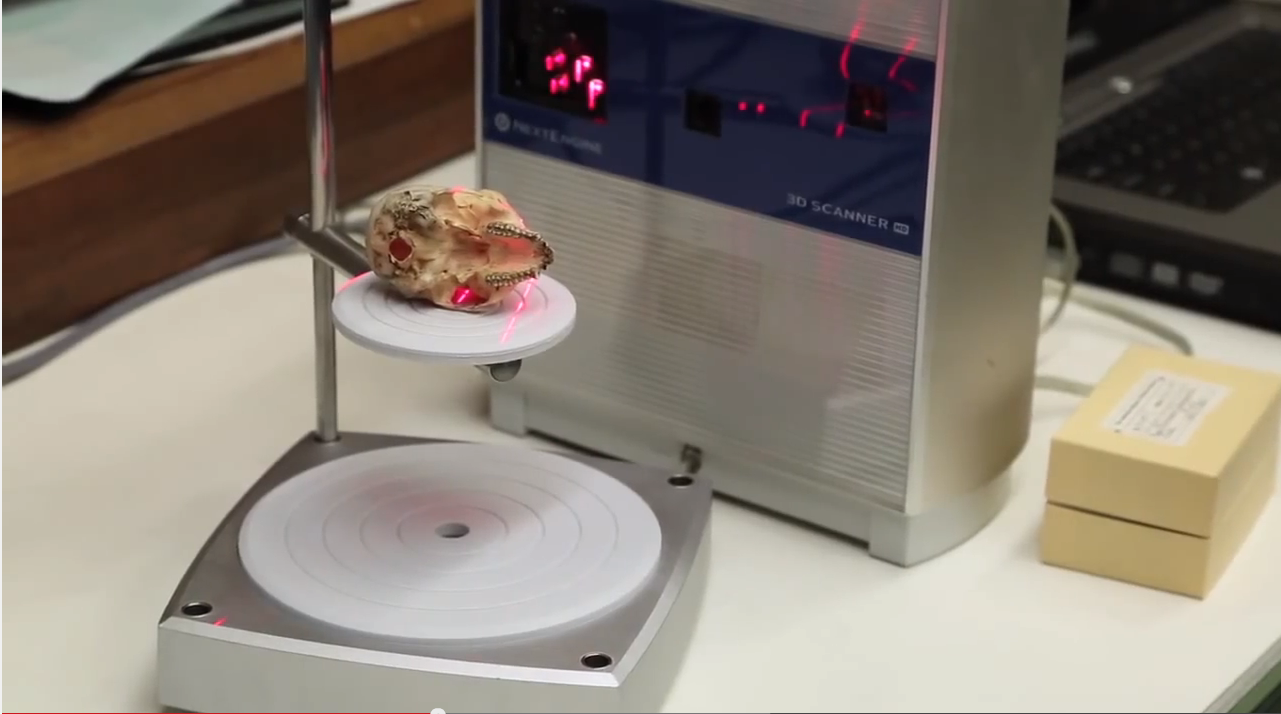
The students took anywhere from five to six thousand photos as they worked to capture all of the details in a way in which they could be turned into digital models. Those photos were used to create the approximately 150 models. While the program certainly taught the students how to use the technology to create the 3D models and prints, it also helped them to practice ‘careful seeing’, an important part not only of paleontology but also for design.
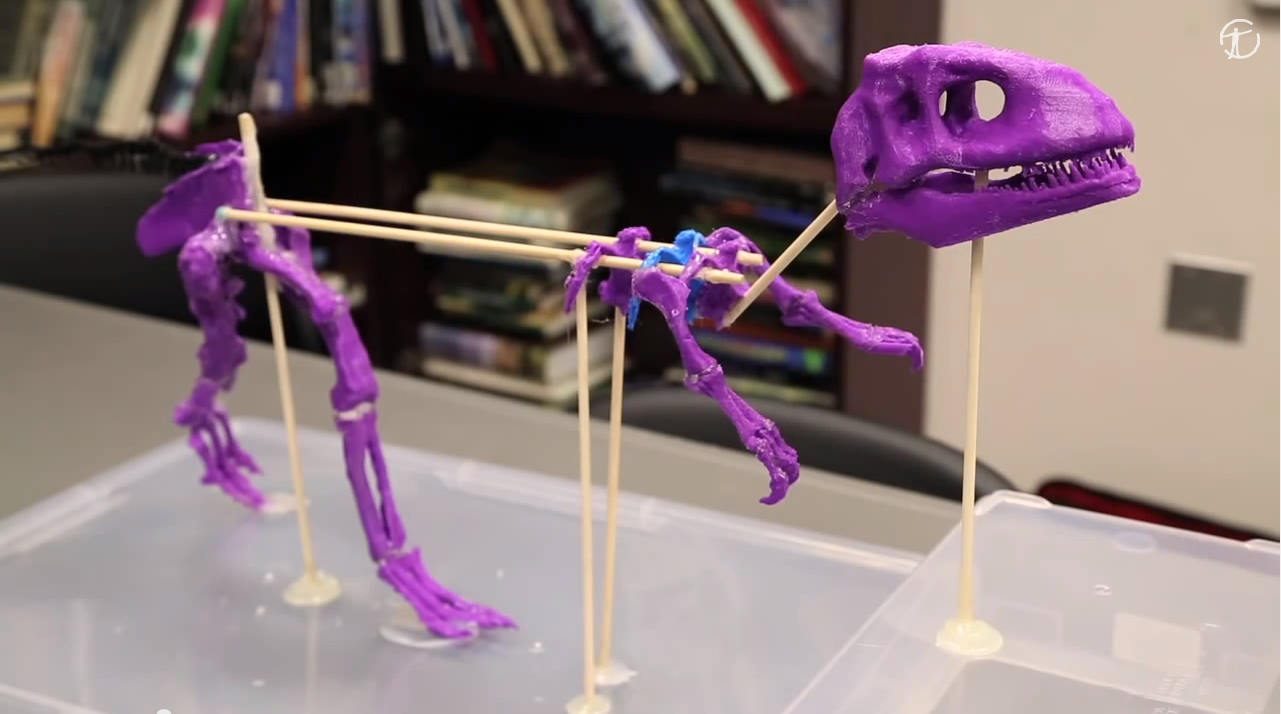 The students were pleased and surprised to find that they were able to successfully recreate the bones. Jordan, an eighth grade student who participated in the project, reflected on his experience:
“It really taught me how paleontologists reconstruct and study dinosaurs and how they have to deal with disarticulated bones from different individuals, and broken bones.”
A ninth grade student, responding to the project said:
“I didn’t expect to see what we put together to actually come out. It was really precise…It has inspired me to maybe one day even go to college for paleontology. I always thought that I wanted to work with technology, but now after doing this I learned that I can do both of them together, then I feel that I can do this.”
 While the students still have a long way to go in order to perfect their digital making abilities, they have been bitten by the bug, so to speak, and will most likely therefore make greater efforts to do so. In addition, this project, like so many other educational projects we have seen that involve 3D printing, helped to empower the students with the knowledge that they can participate in the making of the objects that populate the world around them.
Should schools themselves begin adding similar types of project to their curriculum? Let’s hear your opinions in the Dinosaur 3D printing project forum thread on 3DPB.com.
Subscribe to Our Email Newsletter
Stay up-to-date on all the latest news from the 3D printing industry and receive information and offers from third party vendors.
Print Services
Upload your 3D Models and get them printed quickly and efficiently.











You May Also Like
Cybersecurity: A Necessity in a Maturing Additive Manufacturing Industry
Additive Manufacturing is no longer an experimental technology operating on the margins of industrial production. Over the past decade, it has become an integral part of how OEMs design, produce,...
How Metal Additive Manufacturing Is Reshaping the Future of Aerospace and Defense Engineering
Additive manufacturing (AM) is steadily changing the way we think about producing metal parts for aircraft. Whilst aerospace and defense companies have been using metal AM for over twenty years,...
The AM Adoption Problem No One Models
Through its short history, Additive Manufacturing has been presented to the investment community as a classic high growth technology story. Manufacturing is a multi-trillion-dollar market. Even a small percentage looks...
The Business of Customized Sports Equipment: How 3D Printing Is Changing Athletic Gear
For years, 3D printing in sports has been linked mostly with prototypes, concept shoes, and one-off experiments for elite athletes. Helmets, cleats, and footwear midsoles often took over the headlines,...