Will 3D Printing be the Future of China?


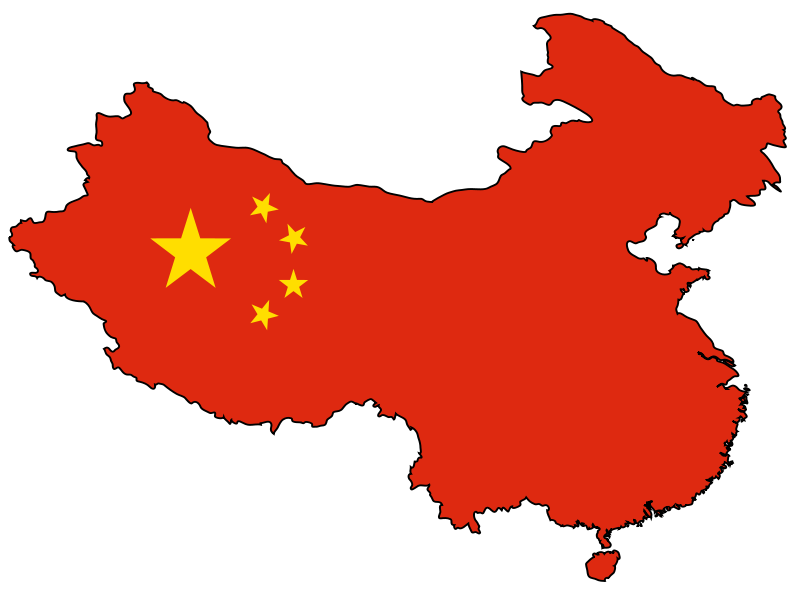 The dominance of the world’s manufacturing industries by China started back in the late 1980s when Western companies discovered that any import or shipping costs were offset by staggeringly lower labor costs and government regulations, but it wasn’t until the turn of the century that they really came into their own. For decades now China has dominated industries as diverse as textiles, personal electronics, toys, iron and metal production and even airplanes and cars. They finally edged the United States out of the top spot for manufacturing a few years ago and have only continued to stay on top ever since. However, while manufacturing and industry still account for almost half of the country’s GDP there have been signs that their edge may be starting to slip away from them.
One of the primary reasons that they are beginning to lose their manufacturing edge is their labor costs have been increasing. As local workers demand more protections and benefits, Western companies are also making more demands on Chinese factories to improve safety and worker protections. China is also being forced to address their environmental policies due to rapidly diminishing air quality and polluted water. And the rapid spike in oil prices is causing formerly cheap shipping costs to skyrocket. Certainly China is in no danger of going broke any time soon, but they are in the midst of a recession that has been relentless for the past five years, and the rapidly changing face of industry is something that China may not be prepared to face.

The state of China’s air quality is dismal at best.
However, China didn’t get where it was by accident; they have constantly been evolving their industrial infrastructure and adapting to the needs of the market almost as quickly as global priorities change. While Asia in general has been a slow adopter of 3D printing technology, it hasn’t taken them long to catch up, as of this year Taiwanese 3D printer manufacturer XYZprinting is the top seller of 3D printers in the world and several Chinese printer manufacturers like Raise3D, Wanhao and CTC Electronic are hot on their heels. Not bad for a region that was years behind everyone else when they started to get serious about 3D printing. Since 2011 the Chinese 3D printing market has doubled every year since and in 2016 it is expected to reach $1.5 billion. Their growth rate has been outpacing the rest of the world and it is likely to exceed the United States as the world’s largest 3D printing market by 2018 if that growth continues.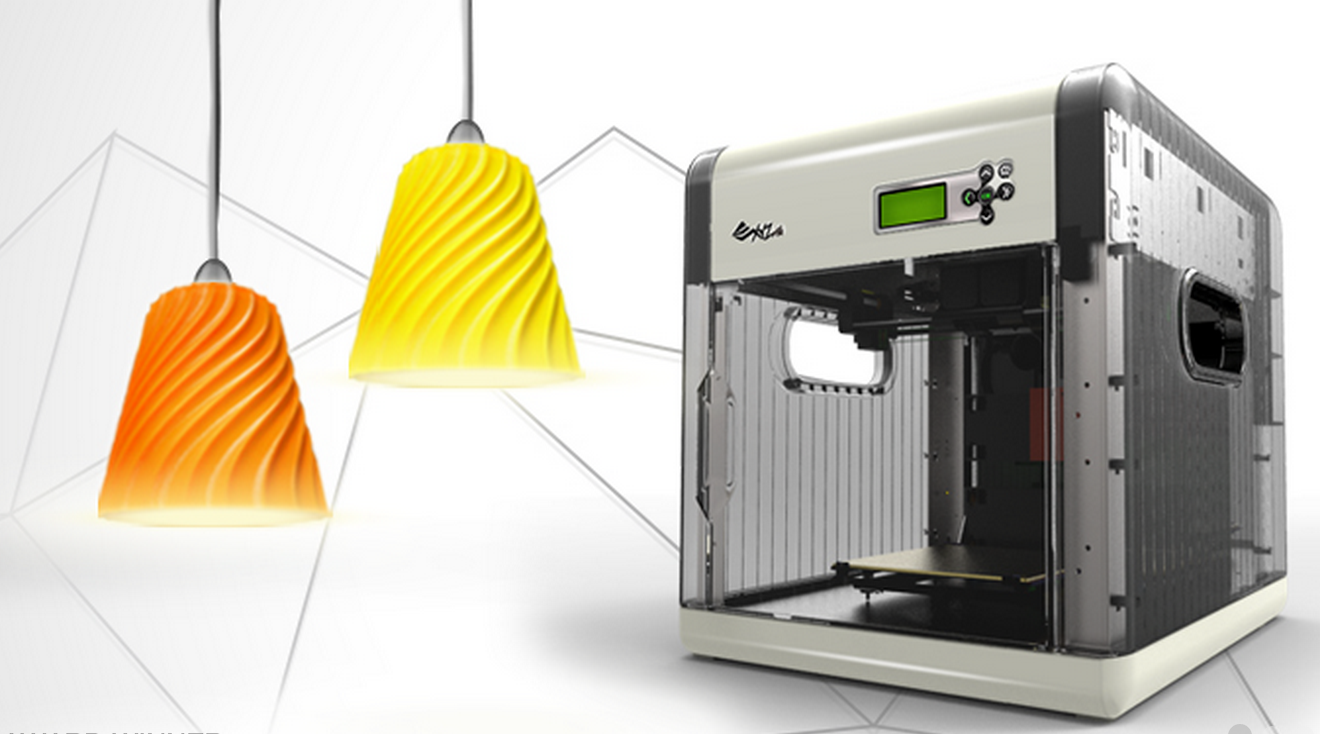
And with the recent implosion of 3D Systems and Stratasys stocks, two of the west’s largest 3D printing companies, it couldn’t be a better time for the Chinese 3D printing industry. As the Chinese government struggles to lift itself out of their recession, many heads of industry are starting to look to 3D printing to pull them back into the black. As Chinese labor costs increase, and the state-owned businesses begin laying off workers, many see the need for the manufacturing industry to evolve.

Yang Yusheng: CEO, CTC Electronic
In an interview with Chinese tech blog Sina, the CEO of China’s first globally successful 3D printer manufacturer CTC Electronic was not only optimistic about the role that 3D printing would play in China’s future, but almost spoke as if it was inevitable. Yang Yusheng sees his country shifting focus away from a nation of manufacturing industry workers over to a nation of service industry workers similar to the United States with the development of advanced and highly efficient 3D printing technology. He even estimates that within a decade almost 60% of household goods and products can be 3D printed at home rather than manufactured in massive factories.
Yang Yusheng isn’t alone in his optimism, he has gained a growing amount of support from within the Chinese government. Recently the government pledged to invest more than $300 million to develop 3D printing technology and equipment. The government has also said that they are going to invest in 3D printing education by installing 3D printers and 3D printing technology in all of their 500,000 elementary schools by 2016.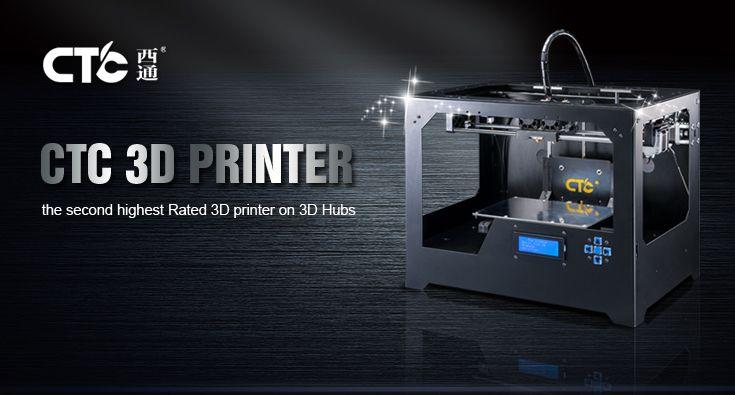
While there is a lingering stigma to the quality of Chinese made 3D printers, the recent meteoric success of XYZprinting and their affordable line of printers is nothing to sneeze at. Reliable, low-cost desktop 3D printers represent the fastest growing sector of new 3D printer sales, it isn’t an accident that XYZprinting found themselves on top. After some early growing pains the company has made huge strides in improving tech support, customer service and the quality of their line assembly and the change is starting to be noticed. We’ve determined that in the West 3D printing is going to be playing a major role in the evolution of industry, and as with traditional manufacturing, it looks like China isn’t going to be playing catch up anymore. Let’s hear your thoughts on the importance of 3D printing in China in the Chinese 3D Printing forum on 3DPB.com.
Subscribe to Our Email Newsletter
Stay up-to-date on all the latest news from the 3D printing industry and receive information and offers from third party vendors.
Print Services
Upload your 3D Models and get them printed quickly and efficiently.













You May Also Like
AM Pulse Asia: Consumer Metal AM, Nuclear Parts and Rockets Push New Ground
The second half of August produced financing milestones, facility openings, and qualification results across Asia-Pacific additive manufacturing. Rongsu Technology closed a CNY 100 million Series A+ and launched a consumer...
HeyGears G1 Passes $14M on Kickstarter with Full-Color 3D Printing
HeyGears was started in 2015 and has been making value-driven Vat Polymerization systems for dental and home use. The company is marketing savvy and very driven. Now the firm has...
One Machine, Three Worlds of Creation: Inside the HeyGears G1 Series
Turning a digital idea into a finished full-color physical product often requires several machines, multiple software tools, manual coloring, repeated positioning, and outsourced production. For creators and small businesses, this...
AMPulse Asia: India’s Orbital Launch Headlines a Busy Second Half of July
The second half of July brought major developments across Asia’s additive manufacturing sector. Highlights included India’s first private orbital launch powered by 3D printed engines, a billion-yuan ownership change at...