3D LabPrint Releases Fully Printable P51-D Mustang Model Airplane


If 3D printing is good enough for NASA to use to create parts of the next space shuttle, then it certainly should be satisfactory for creating your own plane. Especially if that airplane is a model P-51D Mustang. Now 3D LabPrint is offering for download a printable version of this classic airplane that you can create on your desktop 3D printer.
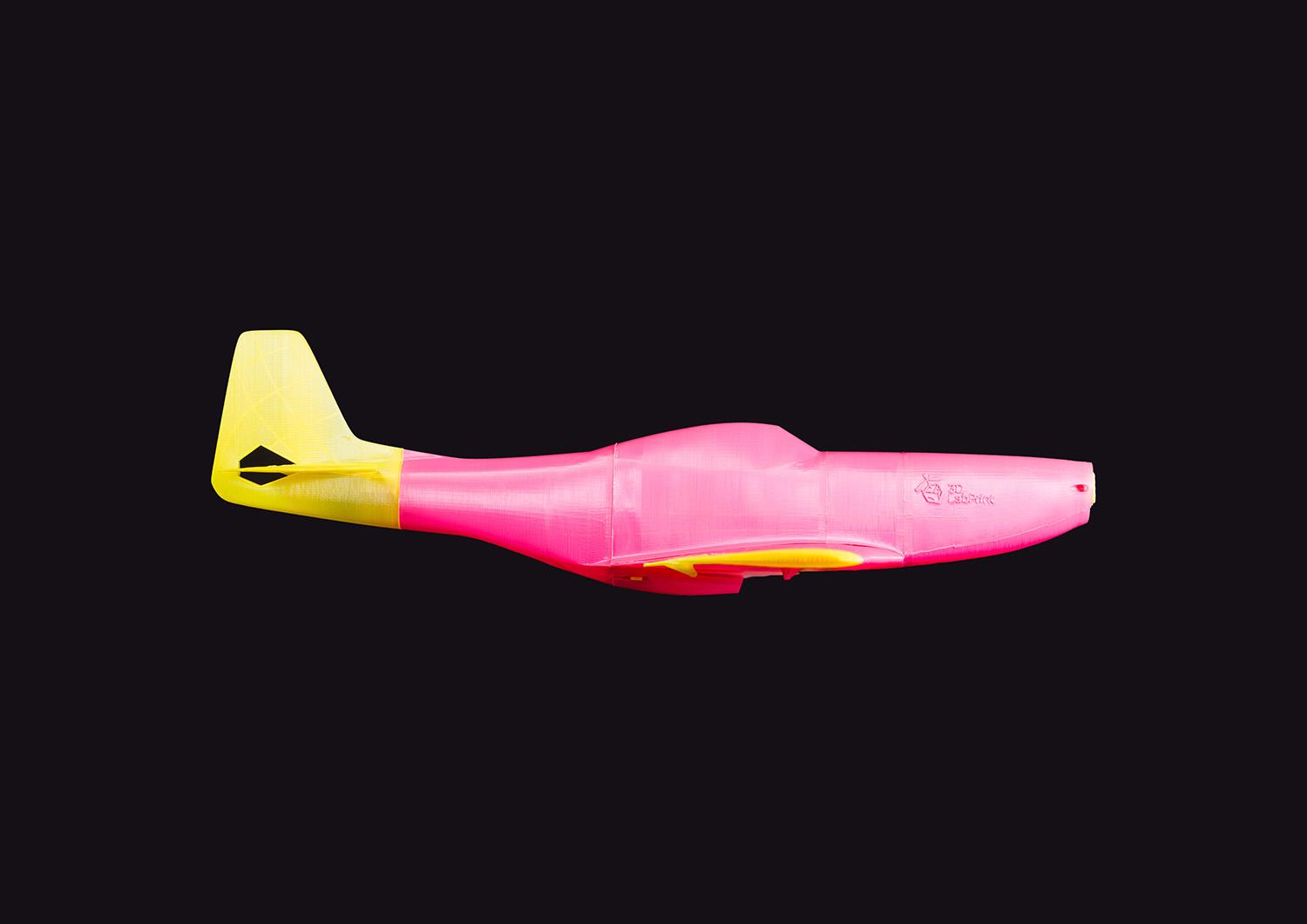 The P-51 Mustang has a long and storied history. Primarily used during WWII and the Korean War, it was first released on September 9, 1940 and took its maiden flight on the 26th of October of that same year. It quickly became a staple member of the Royal Air Force as a tactical-reconnaissance aircraft and fighter-bomber.
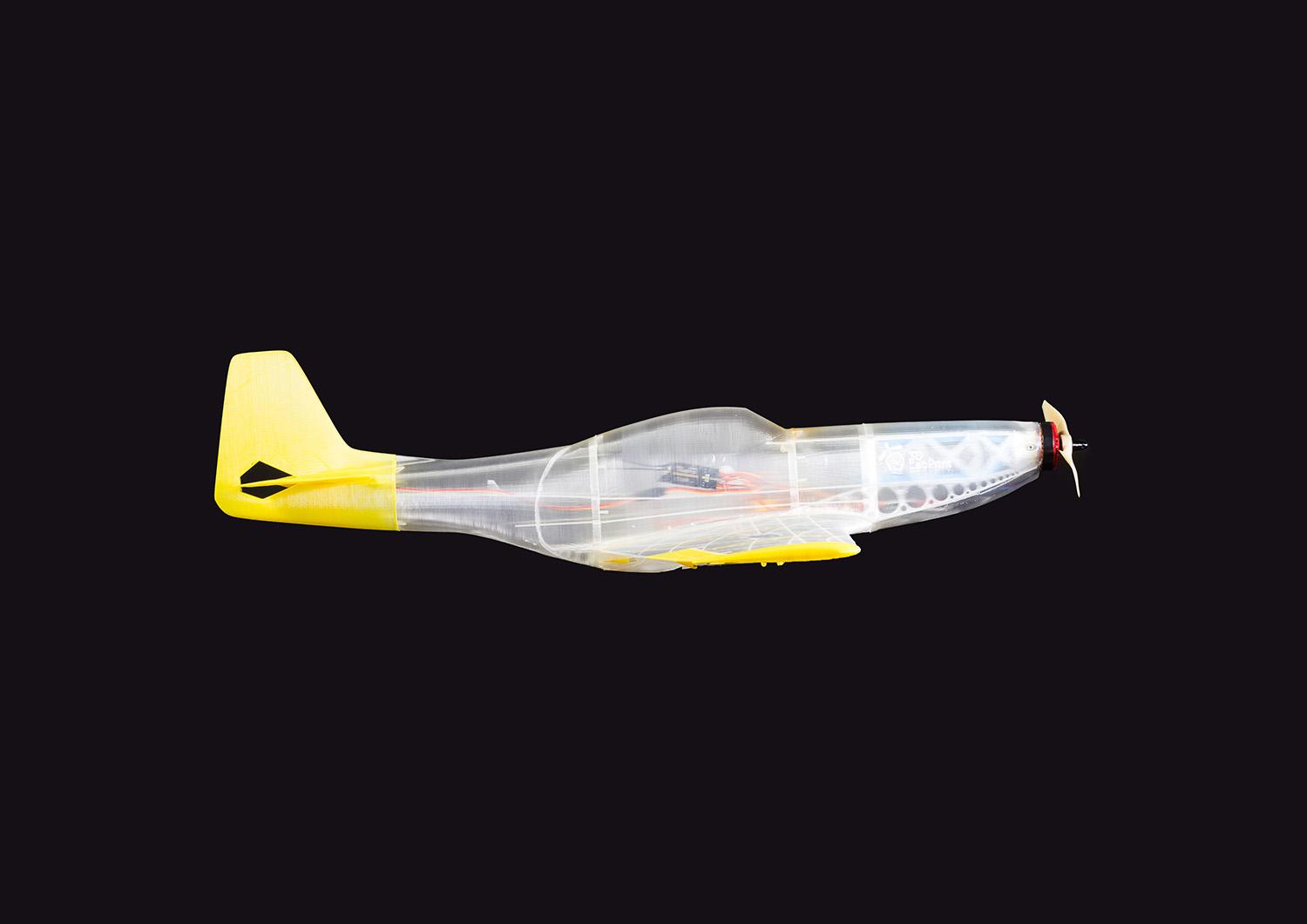 Originally designed to fly with the Allison V-1710 engine, a second version (P-51B/C) added the Rolls-Royce Merlin transforming the plane’s performance at higher altitudes, enabling it to match or outperform the machines flown by the Luftwaffe. The final version of the plane, the P51-D, assured its place in history with the installation of a Packard V-1650-7, a license-built version of the Rolls-Royce Merlin 60 series two-stage two-speed supercharged engine and six .50 caliber M2 Browning machine guns.
The version for download from 3D LabPrint has all the panache of the venerable flying machine and can be printed using only about $10 worth of filament. Once the parts are printed, the only additional tools required for its assembly are a pair of scissors and a bottle of CA glue.
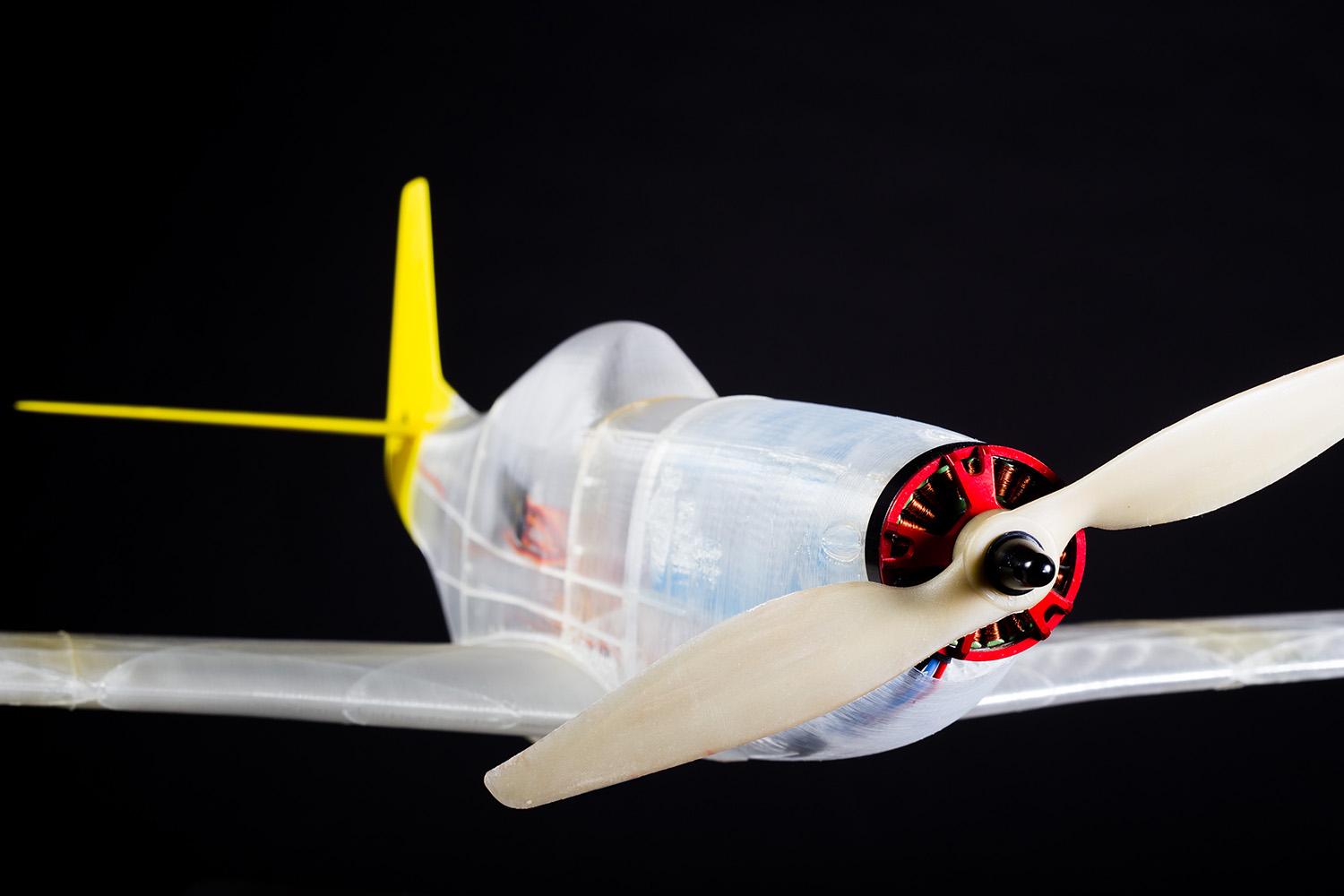
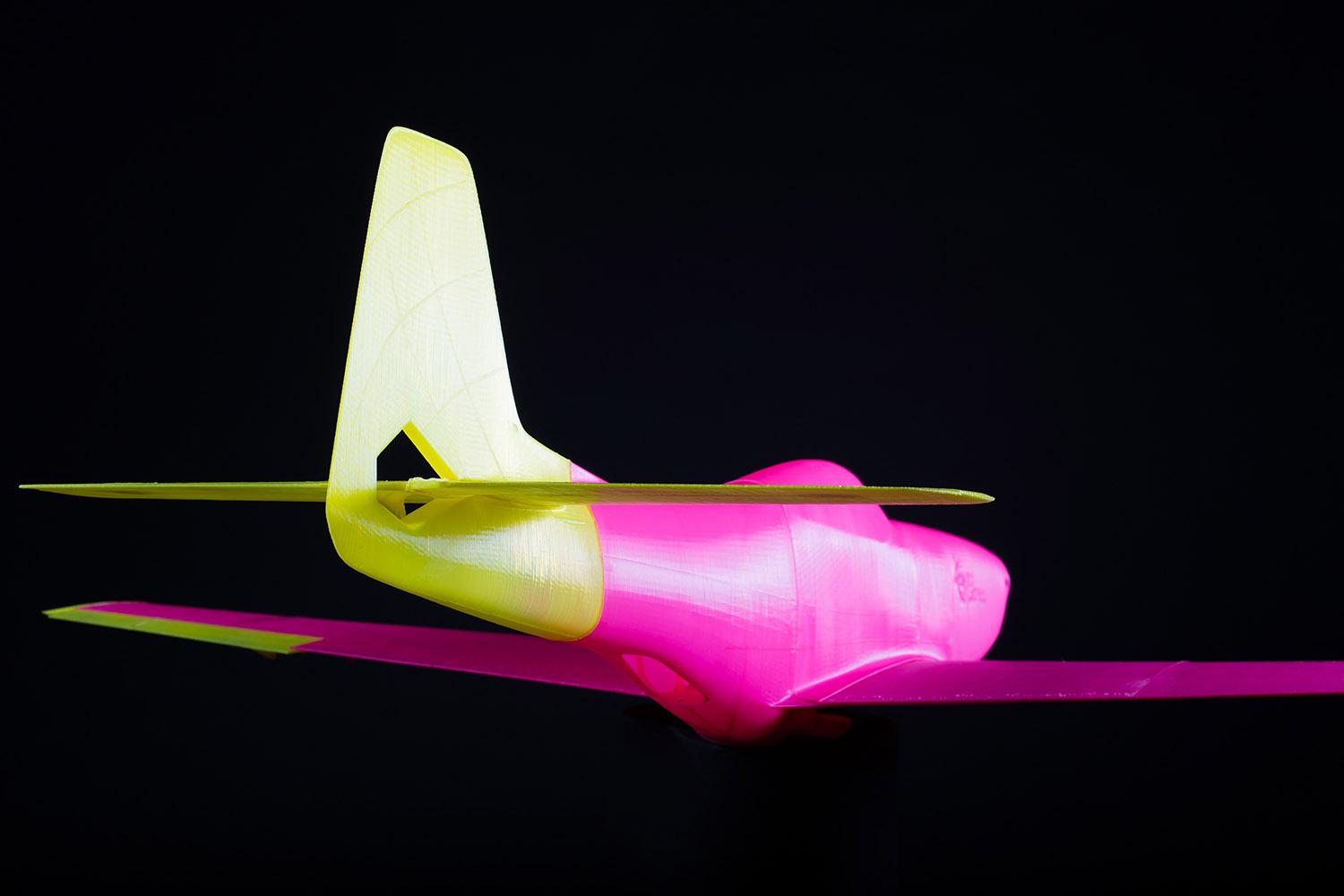 Of course, if you want this to be more than a pretty model, the addition of the radio control capacity takes a bit more involvement. Luckily, 3D LabPrint has released a set of detailed instructions along with video tutorials to guide you through the process of adding radio controlled movement to your P51-D.
3D LabPrint offers has already released to the enthusiastic fanbase a downloadable version of the Spitfire Mk XVI and has in the works the files for models named Easy 001, Bungee, Seagull, and the Easymax 001, the first two to be available soon and the latter two still in the development phase.
On the site, they boast that they offer: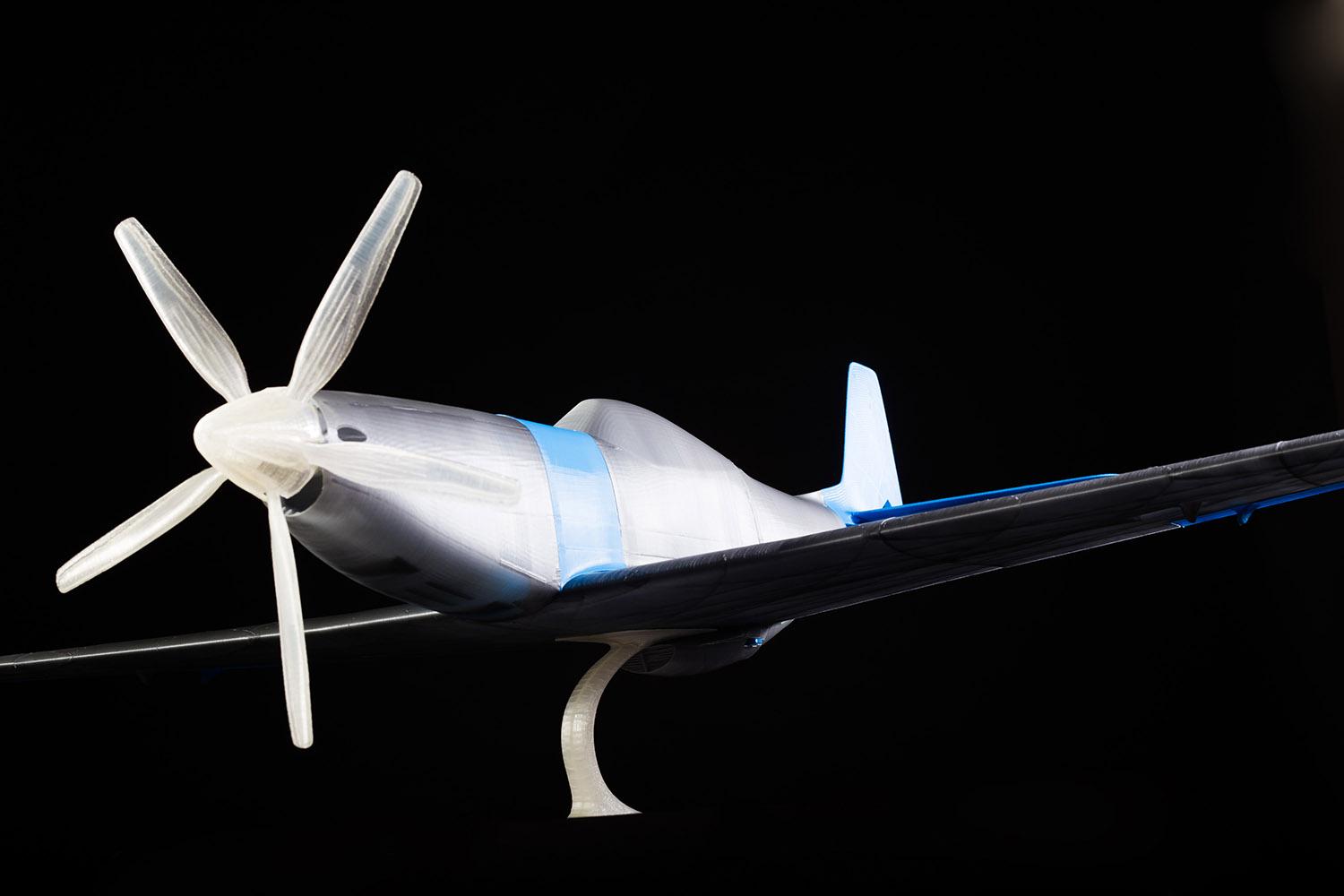
“The first fully printable airplane with suitable files prepared for just your 3D printer. Flight characteristics are comparable or even better than classic build model airplanes. This is not a dream, now you can print this hi-tech…at home, print spare parts, and so on…”
Unfortunately, they have succumbed to the notion that 3D printing and model airplanes might only be interesting for fathers (remember the mothers, guys!) by continually referring to the fun to be had for fathers and sons, but if their planes are as successful in flight as promised, their fan base might show them it is broader than they thought.
Let us know if you might take to the skies with your own 3D printed model plane in the 3D LabPrint P51-D Mustang forum thread over at 3DPB.com.
Have you printed this model? How did it turn out? Let us know in the P51-D forum thread on 3DPB.com.
Subscribe to Our Email Newsletter
Stay up-to-date on all the latest news from the 3D printing industry and receive information and offers from third party vendors.
Print Services
Upload your 3D Models and get them printed quickly and efficiently.












You May Also Like
Printing Money Episode 39: Q1 2026 Public Markets 3D Printing Earnings Analysis with Troy Jensen, Cantor Fitzgerald
Welcome to Printing Money Episode 39, (or, “The one where they all went to market”). It’s that quarterly time, so Troy Jensen (Managing Director, Cantor Fitzgerald) joins Danny for a review...
Goldilocks’ Flywheel: Refractory Complex Concentrated Alloys (RCCAs) & The Race for the Future
Recently, Metalysis, Skyrora, and Thermo-Calc Solutions started to try to commercialize Tanbium. This alloy has been created for use in combustion chambers and rocket nozzles. Tanbium is a Refractory Complex...
Printing Money Episode 35: Notable VC and M&A Deals, with Arno Held and Alex Kingsbury
Welcome to Printing Money Episode 35 and let us be the last to wish you a happy new year. For this episode Danny is joined by Arno Held (Managing Partner,...
Snapmaker Secures Series B Backed by Xiaomi Founder’s Network and China’s Investment Elite
Desktop 3D printer manufacturer Snapmaker has gotten a series B round. The round is led by Hillhouse Ventures and Meituan. Cowin Capital and Orient Securities Capital dipped in for another round,...