3D Printing News Briefs, August 22, 2026: Polymers for CubeSats, Animal Mobility Devices, & More


We’re starting with defense news in this weekend’s 3D Printing News Briefs, before moving on to polymers for CubeSats and 3D printed prosthetics. We’ll end with a story about engineering students who designed mobility devices for a rescue dog. Read on for all the details!
Titomic USA Supported EOS Defense Systems with Production Components

Aussie company Titomic, a cold spray additive manufacturing (AM) and advanced manufacturing solutions provider, announced that Titomic USA received and successfully completed a production order from Huntsville, Alabama-based EOS Defense Systems USA. Titomic used its internal manufacturing capabilities to help EOS Defense Systems by providing rapid manufacturing modifications for a critical component that supports a U.S. government defense production program. The company was able to complete these modifications within a week, which helped speed up delivery of an important production article for a defense application. By finishing this project so quickly, Titomic was able to showcase its technology, and how it can be used to support the U.S. Defense Industrial Base, on which it has increasingly focused in the last few years.
“Supporting our defense customers when schedule, quality, and mission readiness matter most is exactly what Titomic was built to do. Titomic’s ability to provide integrated manufacturing solutions that help keep vital defense production programs moving gives customers added options to meet high demand schedules with superior quality results.”
Roboze High-Performance Polymers Validated for 3D Printing CubeSats
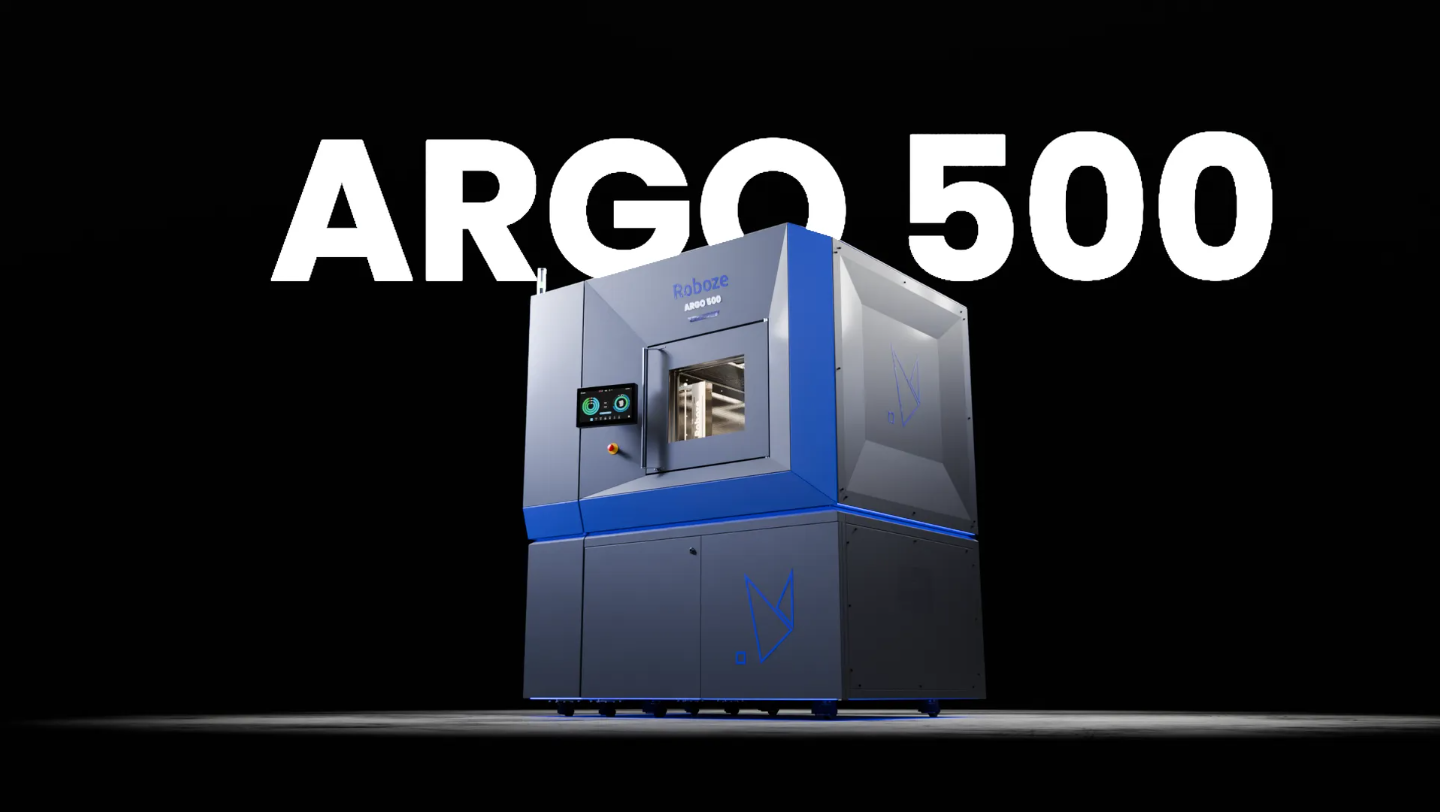
3D aerospace manufacturing startup NESST Srl (New Era Smart Solutions and Technologies) announced that it used technology by fellow Italian company Roboze to make a primary CubeSat 3U structure. This was the first phase of a project funded by the Italian Space Agency (ASI) and European Space Agency (ESA) to design, 3D print, and validate the CubeSat structure, which was printed on the Roboze ARGO 500 HYPERSPEED platform out of Carbon PEEK material. The main objective of this project was to validate the use of high-performance polymers, processed with FFF 3D printing, for fabricating space structural components. NESST Srl completed testing and material characterization, and showed that Roboze’s proprietary Carbon PEEK can deliver a mechanical performance similar to the typical aluminum alloys used to make satellite structures. The material was also compatible with the space environment, and met the outgassing requirements defined by ECSS-Q-ST-70-02C. Roboze supported the definition of optimal print parameters during the critical testing phase of the project.
“Proving that FFF-processed polymers can rival traditional aluminum alloys marks a significant shift in how we conceive satellite manufacturing. This project validates our core vision: additive manufacturing is a strategic enabler for extreme structural customization and cost-efficiency,” said Francesco Lucia, Technical Manager at NESST Srl. “We are already focusing on Phase 2 of the project, where we will leverage this design freedom to increasingly functionalize the CubeSat structures, directly integrating elements such as harnesses, electronics, microfluidics etc.”
Researchers Use Bioprinting, Sensors, Hybrid Materials to Improve Prosthetics
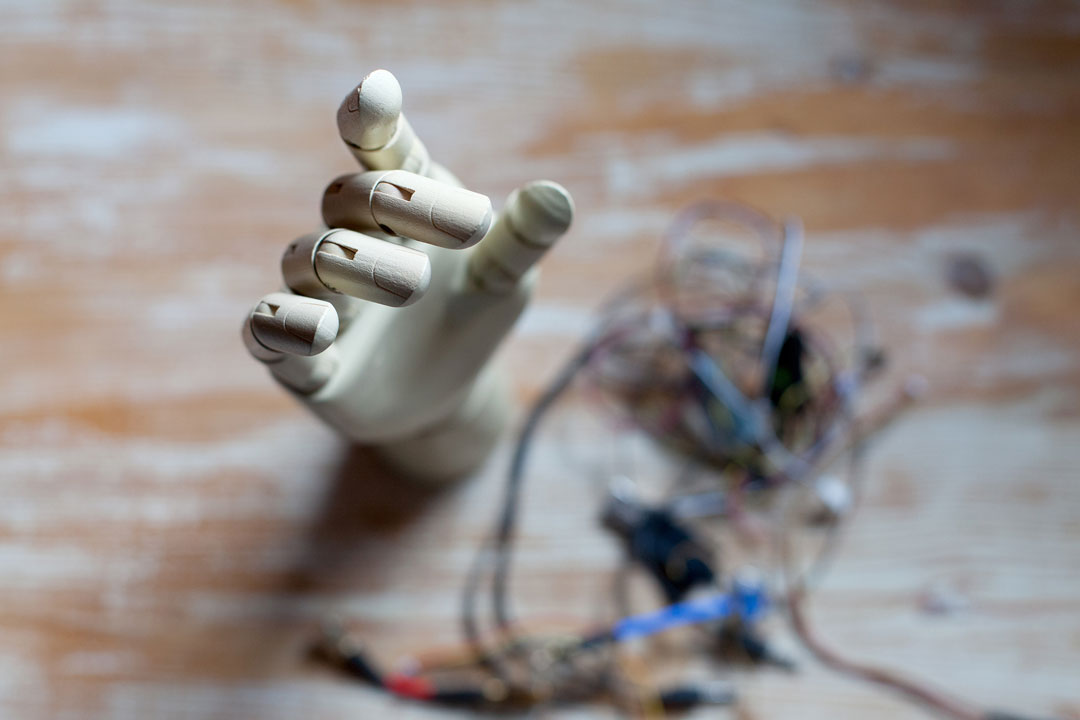
RIT faculty researchers from the Rochester and Dubai campuses collaborated to improve finger and hand prosthetics with a combination of expertise in the areas of new materials, smart sensors and bioprinting technologies.
Four faculty-researchers from the U.S. and Dubai campuses of the Rochester Institute of Technology (RIT) each called on their area of expertise to develop sensitive, flexible finger prosthetics that are biocompatible and mimic human capabilities. By contributing in their specialized areas, the team was able to create a more complete prosthetic system than any discipline could by itself. They used hybrid materials, like biodegradable thermoplastic and heat-resistant silicone, for the prosthetic structure, and created “smart” sensors with a better sense of touch through piezoelectric principles. Advanced 3D printing incorporated the materials, improved extrusion and performance, an made it possible to create customizable prosthetics. Finally, electromechanical systems were integrated in the prosthetic for more natural usage. They came up with an affordable customizable design prototype that can continue being developed toward commercialization.
“One of the greatest needs in prosthetics is the ability to produce patient-specific devices that closely match an individual’s anatomy, mechanical properties, and functional requirements. Traditional manufacturing methods often have limitations in producing complex, customized structures. Our approach has the potential to improve comfort, performance, accessibility, and ultimately the quality of life for prosthetic users,” said Ahasan Habib, assistant professor of mechanical and mechatronics engineering technology in RIT’s College of Engineering Technology.
“As we talk about the future of prosthetics, there are two components that need to be involved. The first was to bring together multi-material printing, so it’s not like the whole prosthetic should be printed with one material. The second was to make it smart, so it can be used not only for gripping but other functions. Capability-wise, we are there. We all have very good capabilities in each of our labs. I also think that we all share the same DNA as an RIT family of researchers.”
Habib worked on the prosthetic system with Krittika Goyal and Jun Han Bae, both assistant professors in RIT’s College of Engineering Technology, and Salman Pervaiz, RIT Dubai engineering professor and director of materials and advanced manufacturing research.
College Engineering Students Design Mobility Devices for Three-Legged Dog
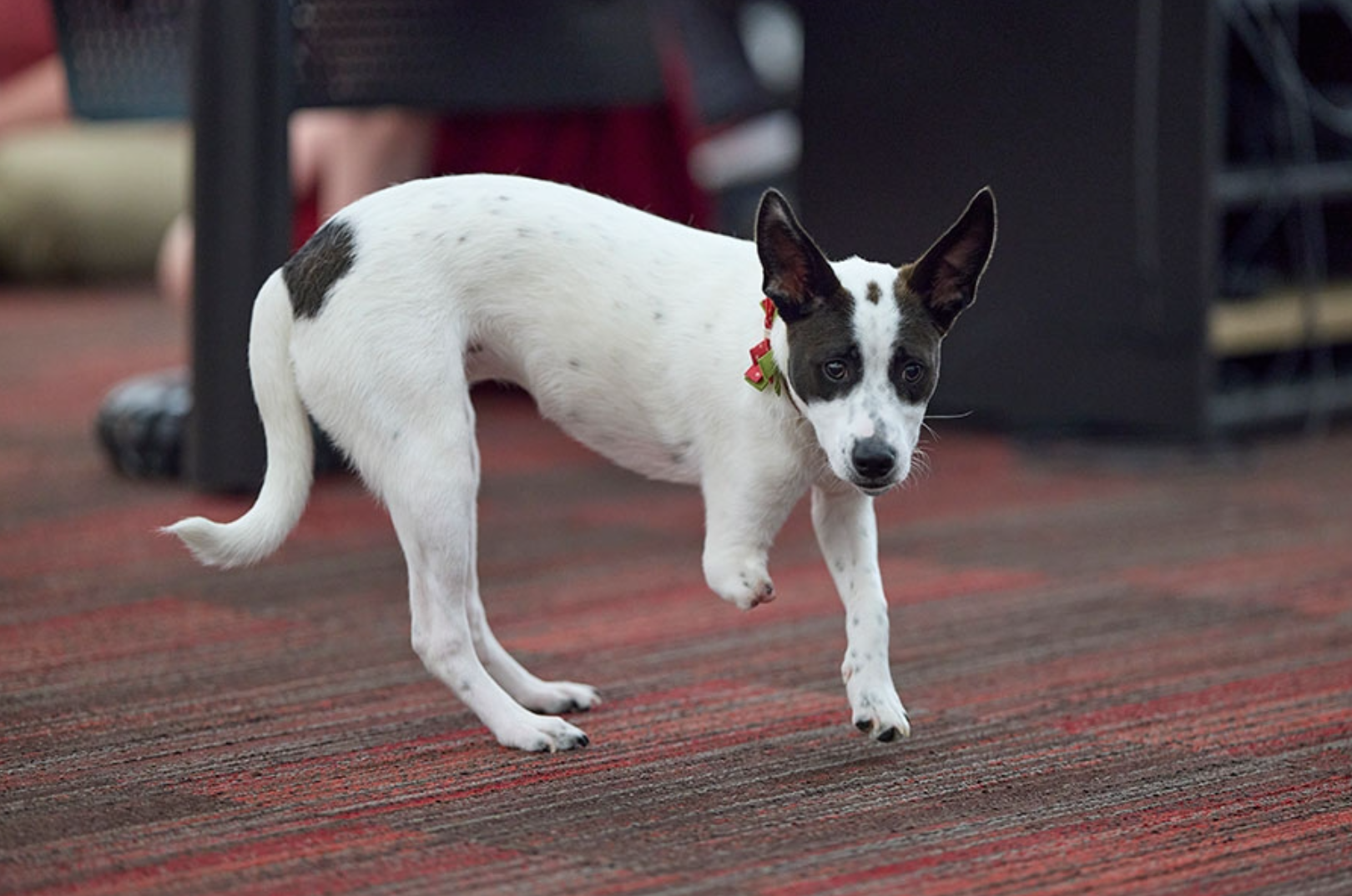
Duck, the young rescue dog, visited with Summer Bridge students at the beginning of the program. Photo by Ellie Pinter.
A young dog named Duck, born with only three legs, was rescued in Oklahoma and taken to Free to Live Animal Sanctuary. The tripod pup moves around well enough, but staff said that she does get tired on long walks. So they challenged first-year engineering students at University of Oklahoma to design a mobility device for Duck. Over the summer, multiple teams of four students each in OU’s Engineering Summer Bridge program researched canine anatomy, Duck’s specific needs, and mobility devices. The teams turned their ideas into final concepts and built prototype devices using CAD software, 3D printed components, and electronic circuits. The students continued iterating their designs, and presented their work to an audience. The project wasn’t just about helping Duck, though the most promising designs will continue to be refined for the dog. Engineering Summer Bridge is a helpful transition program for incoming students: they live on campus, take a math class, connect with faculty and other classmates, and work to solve hands-on engineering challenges before even starting their college career. Thanks to corporate partners like ExxonMobil and ConocoPhillips, the students also enjoyed guest speakers, site visits, project support, and mentorship.
“We want students to leave with a broader definition of engineering than the one they came in with. Technical skill is the foundation, but engineering is a service discipline. The problems worth solving belong to people and students who understand that early become better engineers for it,” said Brandon Abbott, Director of the Engineering Summer Bridge program.
A record 160 students applied to the 2026 program, with 40 students ultimately chosen to participate.
Subscribe to Our Email Newsletter
Stay up-to-date on all the latest news from the 3D printing industry and receive information and offers from third party vendors.
Print Services
Upload your 3D Models and get them printed quickly and efficiently.












You May Also Like
How the World’s Most Advanced Tech Companies Are Using 3D Printing
3D printing has been around for decades. For most of that time, it was a prototyping tool. Engineers used it to check if a design looked right before spending money...
Aires Tide Designed with AI, Supercomputers, and 3D Printing
The Department of Energy‘s National Nuclear Security Administration (DOE/NNSA) is part of the US government that manages the US nuclear stockpile, helping to upgrade, improve, and maintain nuclear weapons, and...
Excellent Desktop Injection Molding, Made in Italy by Robot Factory
I was captivated when I saw my first Robot Factory 3D printer. The robust, precise machine was built to last. And this was in an era of very flimsy, disposable,...
Killer 3D Printing Applications: Tools
A previous Killer 3D Printing Applications article looks at tool voids and tool storage. With 3D printing, we can connect different sets and make cases to organize tools. We can...