BICO’s 3rd Exit Under CEO Maria Forss: MatTek and Visikol to be Sold for $80M


BICO (STO: BICO) is selling two of its companies—MatTek and Visikol—to Sartorius (ETR: SRT3) for $80 million. The decision is part of BICO’s plan to focus on what it sees as its core business: lab automation and specific workflows in life sciences.
Acquired by BICO in March 2021, MatTek makes 3D tissue models that let scientists test drugs and cosmetics without using animals. Meanwhile, Visikol was integrated into MatTek’s operations in 2024 and specializes in advanced imaging and digital pathology. Both were part of BICO’s Bioprinting division. Now, they’ll join Sartorius, a German life sciences company that has been working closely with BICO since 2022 and plans to use them to expand its offerings in the cell and tissue model space.
BICO says the money from the deal will help reduce debt and give the company more room to grow. As of April 2025, BICO’s total debt is roughly SEK 1.76 billion ($176 million).
“This divestment executes on three key priorities: focusing on our core business, strengthening our balance sheet and improving our ability to accelerate BICO’s growth agenda,” said Maria Forss, CEO of BICO.
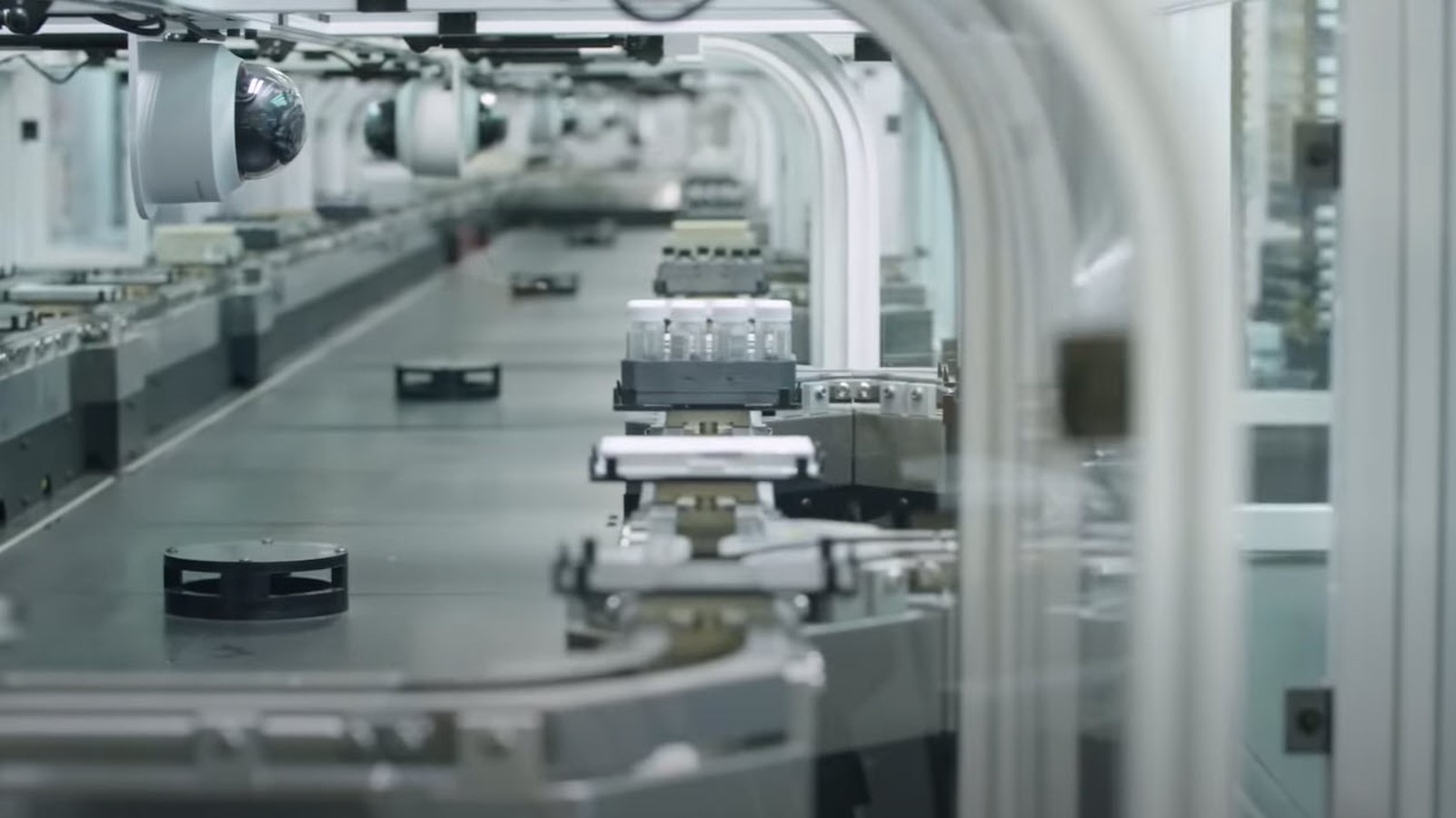
Lab automation. Image courtesy of BICO.
Together, MatTek and Visikol employ over 85 professionals, primarily based in Ashland, Massachusetts. In 2024, they reported a combined revenue of roughly $20 million, with an adjusted EBITDA (earnings before interest, taxes, depreciation, and amortization) margin above 20%.
Joachim Kreuzburg, CEO of Sartorius, said the deal helps them grow their toolbox. “We are excited to strengthen our offering with MatTek’s innovative portfolio of 3D microtissue models. Our partnership with BICO has evolved since 2022, where our most recent collaboration in lab automation, combining Sartorius’ Octet® BLI Automation and Integration and Biosero’s software solution Green Button Go, has been successful. We continue to be a long-term partner of BICO and look forward to continuing the development of both existing and new collaborations.”
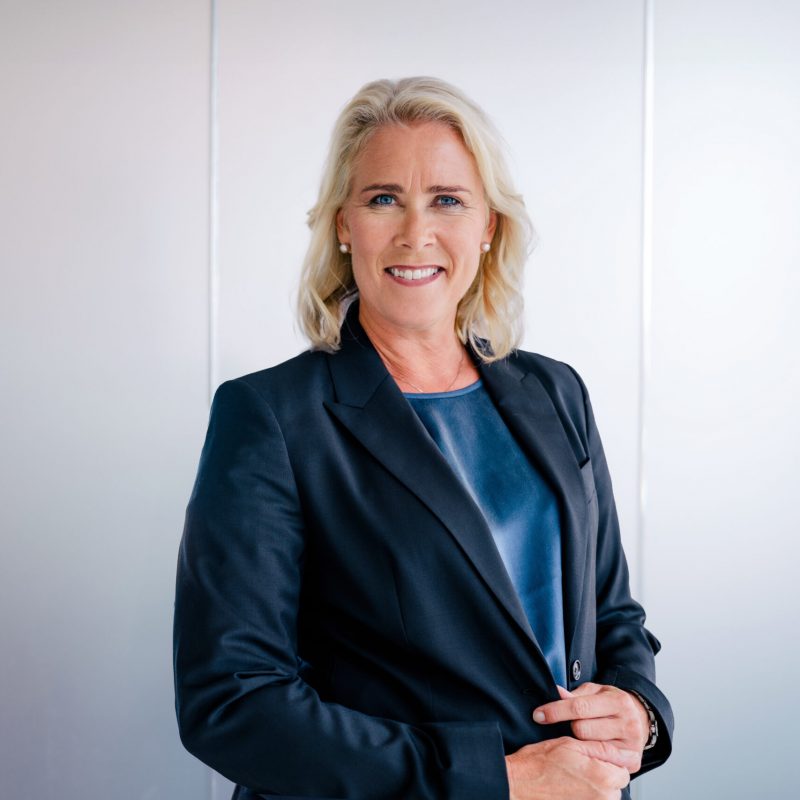
BICO CEO Maria Forss. Image courtesy of BICO.
This move is part of BICO’s broader strategy, BICO 2.0, introduced during its Capital Markets Day in September 2024. The strategy seeks to boost commercial initiatives and streamline operations to adapt to the evolving life sciences market.
In fact, after selling MatTek and Visikol, BICO will move the rest of its Bioprinting division—including Cellink and Advanced BioMatrix—into a new division called Life Science Solutions. Starting in the second quarter of 2025, BICO will report two business areas: Lab Automation and Life Science Solutions.
After Forss became CEO of BICO in August 2023, the company began moving in a new direction. Instead of continuing its earlier approach of buying companies across many areas, BICO started focusing on just a few things it does best. That includes building lab automation tools—like robotics systems and Biosero’s Green Button Go software—that help labs run experiments faster and with less manual work. Since Forss took office, BICO has divested three companies, including MatTek and Visikol, to simplify the business and sharpen its focus.
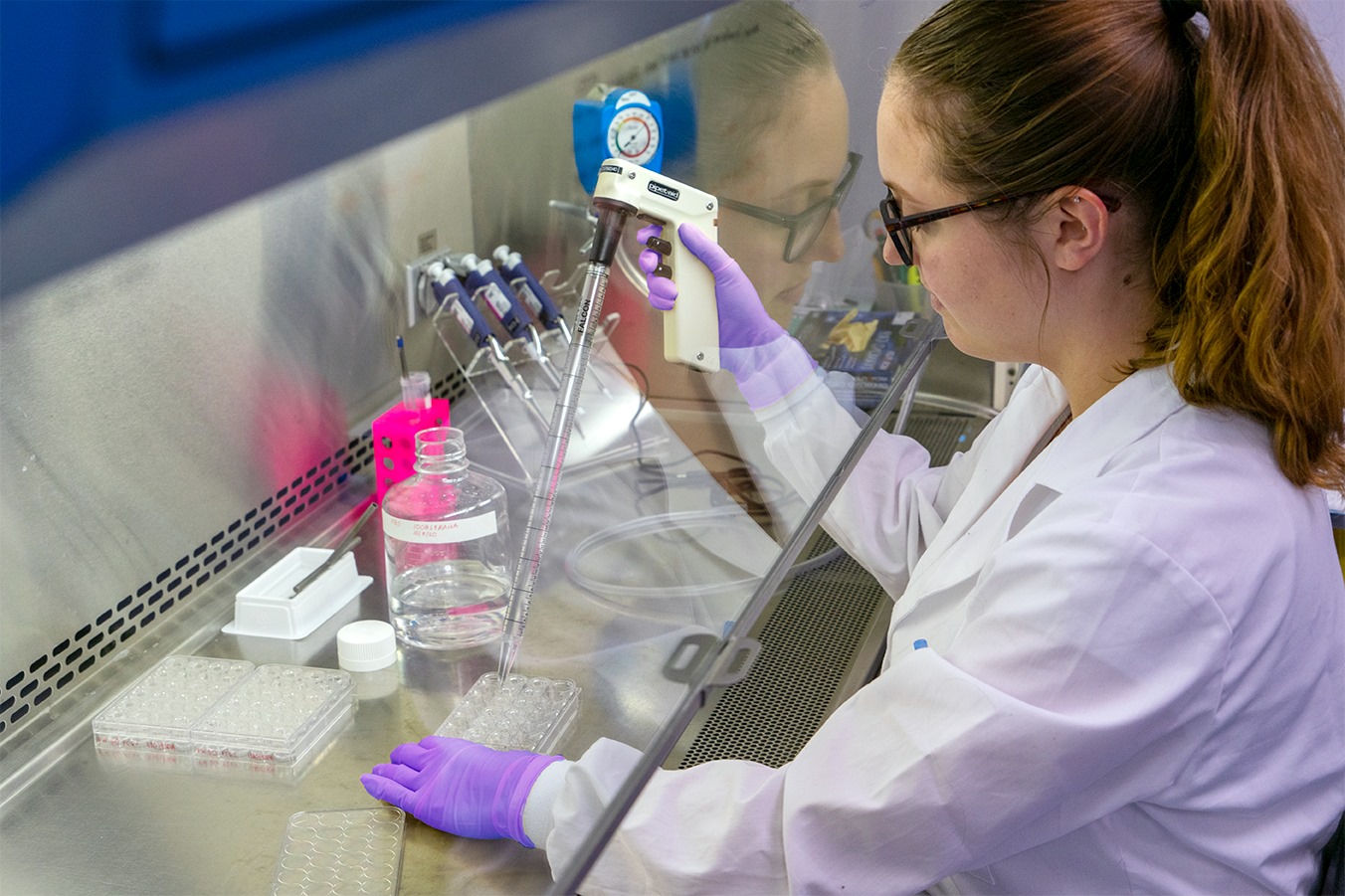
MatTek advances in vitro science research. Image courtesy of MatTek.
The benefits of this new focus are starting to show up in the company’s financial results. In the fourth quarter of 2024, BICO reported net sales of SEK 570.8 million ($57 million), a slight increase from the previous year. Also, the adjusted EBITDA margin improved to 24.9%, up from 13.0% in the same period the year before.
At the end of 2024, BICO had SEK 946 million ($94.6 million) in cash. In early 2025, it used SEK 276 million ($27.6 million) to buy back convertible bonds. That move reduced the total outstanding bond debt to SEK 1,106 million ($110.6 million). With the cash from the MatTek and Visikol sale, BICO plans to pay down more debt ahead of the bond’s 2026 maturity.
The deal still needs regulatory approval, which is expected in the second quarter of 2025. Overall, BICO is doubling down on the areas it believes have the most potential, including helping labs automate, speeding up workflows, and cutting down on manual processes.
Subscribe to Our Email Newsletter
Stay up-to-date on all the latest news from the 3D printing industry and receive information and offers from third party vendors.
Print Services
Upload your 3D Models and get them printed quickly and efficiently.













You May Also Like
3D Printing News Briefs, October 21, 2026: Digital Twins, AI CAD Service, AR Smart Glasses, & More
In today’s 3D Printing News Briefs, America Makes announced the winners of its MIAMI Project Call, and AM Europe released a new report. Artec 3D launched its new Artec Twins...
3D Printing News Briefs: October 17, 2026: Affordable Housing, Bone Implants, Rubber Gloves, & More
In this weekend’s 3D Printing News Briefs, we’re starting off with quality assurance in metal additive manufacturing (AM), a new 3D printer, and 3D printed housing. We’ll finish up with...
3D Printing News Briefs, October 14, 2026: Bolus, Aerospace Tooling, Water Filter, & More
In today’s 3D Printing News Briefs, we’re starting with medical news, as Myrava has received FDA 510(k) clearance for its 3D printed bolus. Moving on to aerospace and metals, AML3D...
Can India’s AM Push Help Make it a Viable Supplement to China?
Diversifying manufacturing supply chains to locales outside of China has nothing to do with actually cultivating “substitutes” to the Chinese economy. The real stakes are these: China is an irreplaceable...