Formnext 2019: moi composites to Make Waves with 3D Printed Trimaran

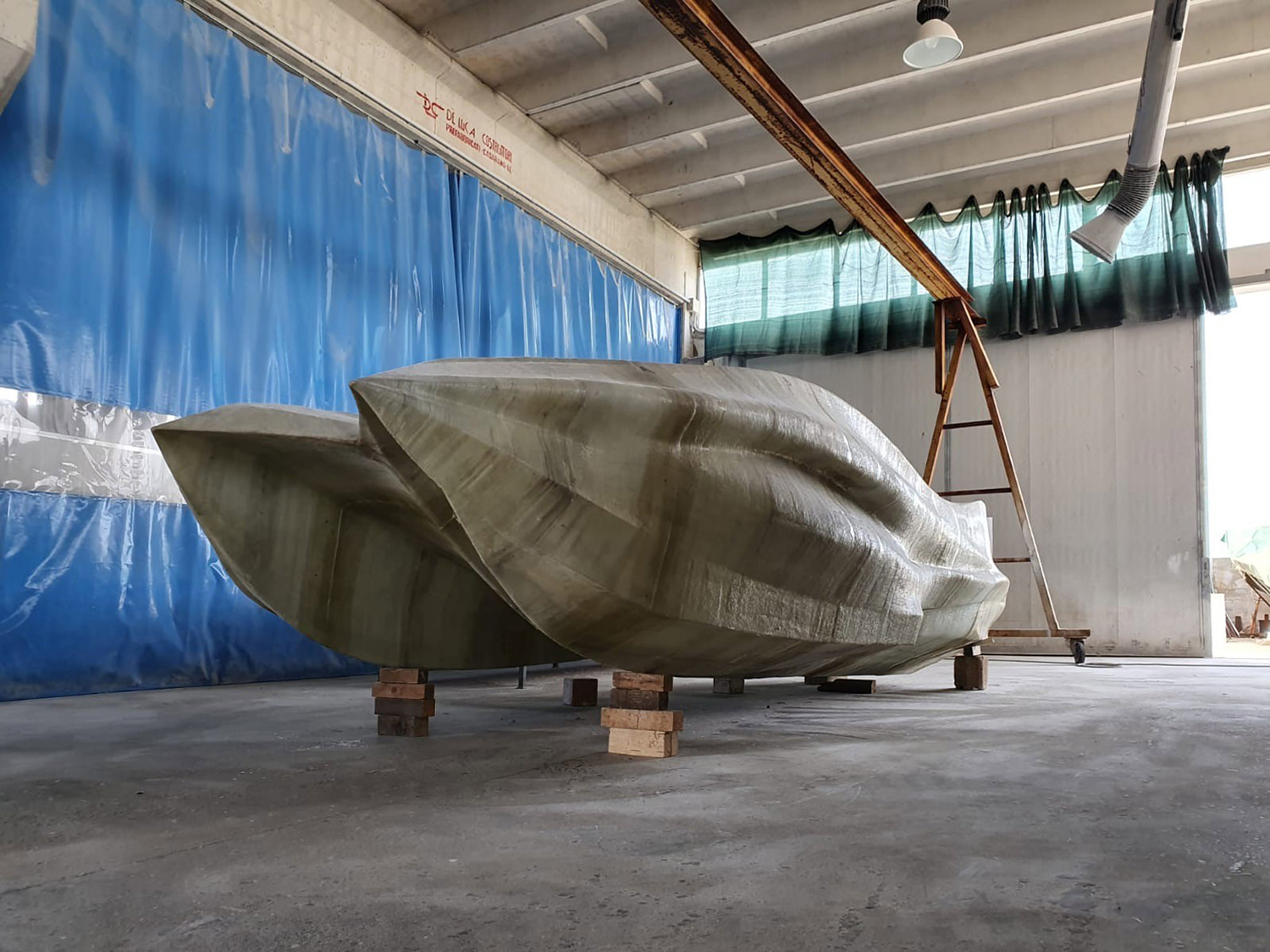
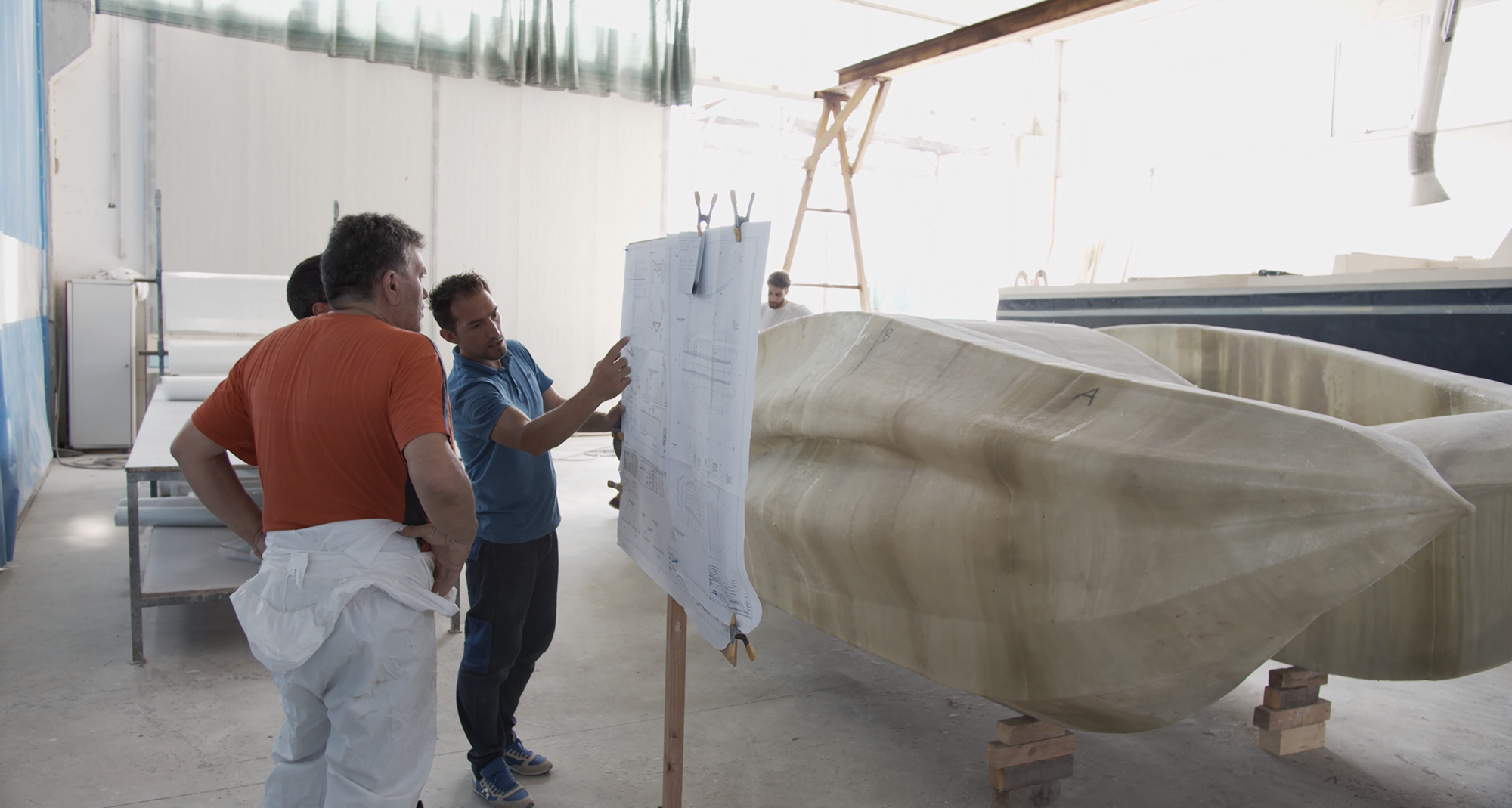
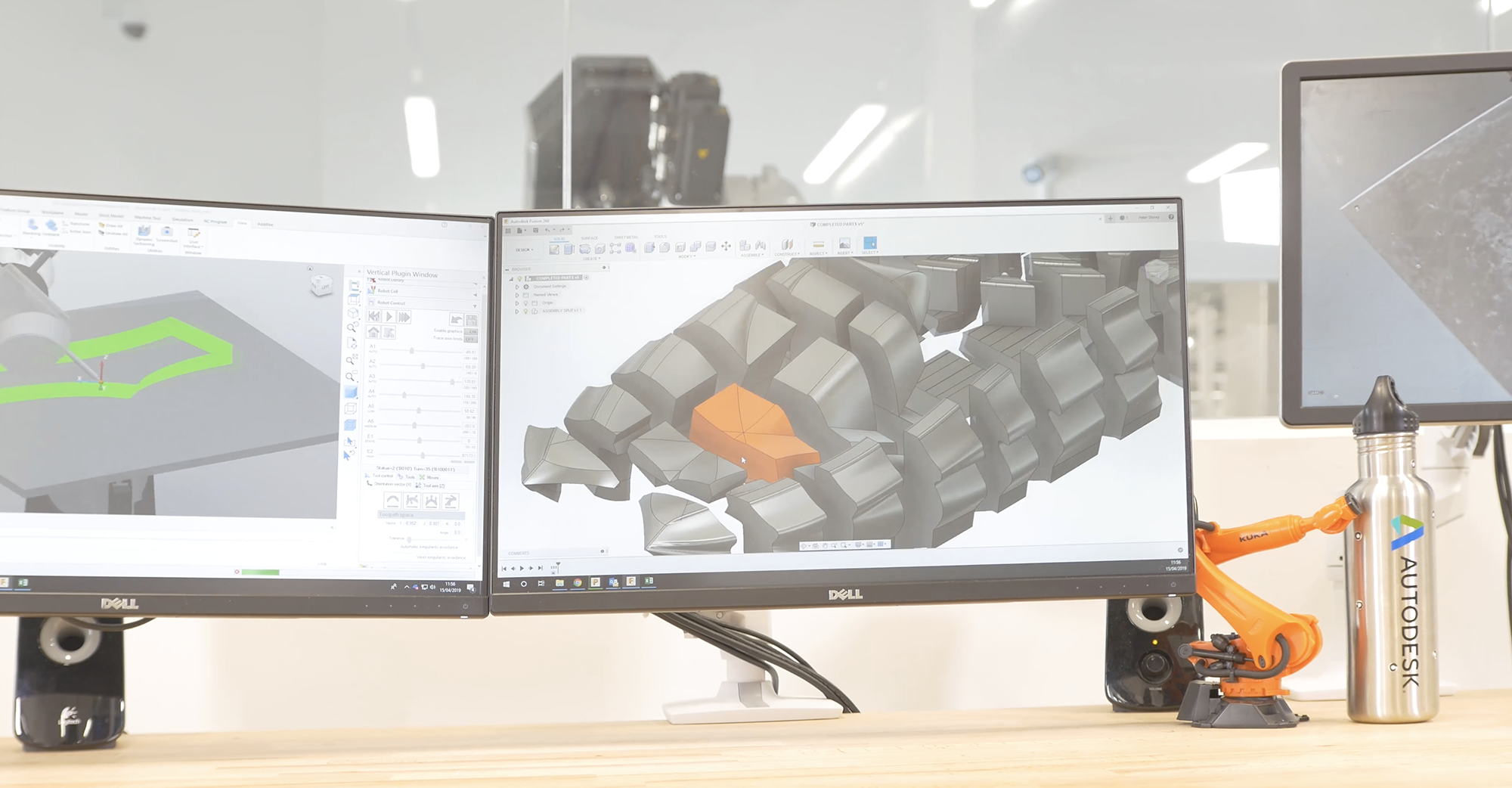
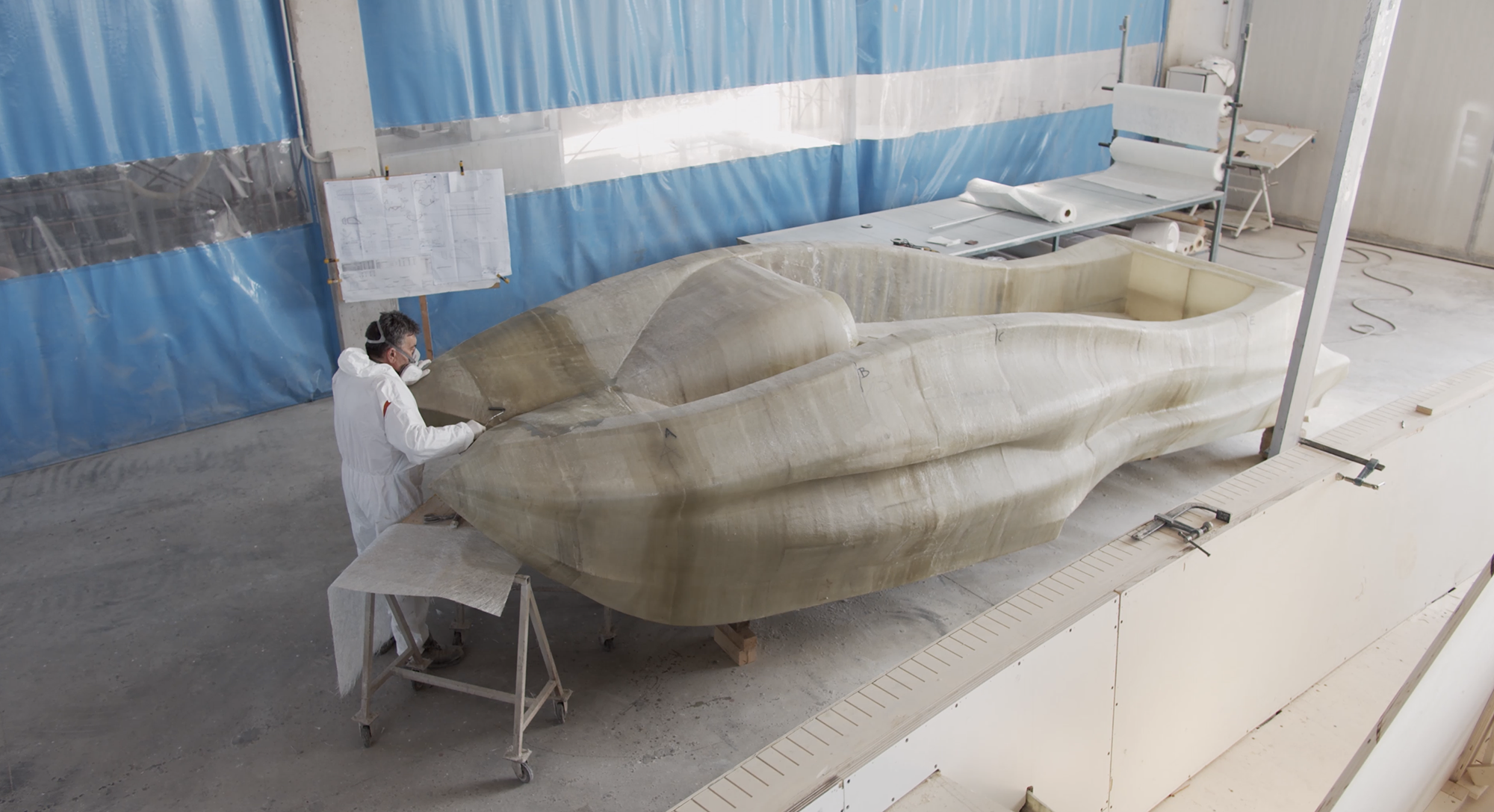
3D printing continues to offer major impacts to the marine industry, as will be evidenced by moi composites at formnext in Frankfurt, running from November 19-22. The European tech startup will display MAMBO, the 3D printed motor additive manufacturing boat, at the Autodesk booth C59 in Hall 12.
The 22-foot 3D printed trimaran is the result of a collaboration with a number of industrial leaders, to include:
- Autodesk
- Owens Corning
- Catmarine
- Osculati
- Micad
- UCINA
While 3D printing is enticing to industrial manufacturers due to greater affordability, speed in production, and the ability to create new components altogether, Project MAMBO shows the possibilities ahead for both 3D printing and smart manufacturing. For industries like marine or automotive, 3D printing also offers manufacturers the incredible benefit of being able to recreate obsolete objects, rather than attempting to find them in a different area of the world or from a company that may not be able to ship them out expediently.
For this design, however, the moi composites team created a unique, wavy shape that would have been impossible to produce through conventional methods such as hand lamination, automated tape laying, fiber placement, or filament winding production. On finalization, the design team expects the MAMBO to weigh in around 1,760 pounds. While you can take a look at it during Formnext next week, the 3D printed boat will be on display around the world in the coming months.
Founded in 2018, moi composites is an Italian company relying on continuous fiber manufacturing (CFM) to create strong, customized parts that are also lighter in weight for applications requiring both high performance and durability. In working with customers, they help them to imagine the concepts they need, in composite material, customize it for their uses, and in many cases create completely novel parts. They offer research, design, and development—working with customers from the idea stage to end production—often making use of both more progressive digital manufacturing and conventional methods.

“Moi provides people with the freedom to create products in unimaginable shapes and hyper performances, what they need when they need it, to redefine composite manufacturing,” states the company in their latest press release sent to 3DPrint.com.
We have seen many and varied projects within the marine industry, connected with 3D design and 3D printing—from international collaborations between companies to fabricate innovative propellers, bring forth on-demand products as the worldwide need and trend for such activity continues to increase, print parts for competitive sailing on numerous counts, and so much more.
What do you think of this 3D printing news? Let us know your thoughts on the subject! Join the discussion of this and other 3D printing topics at 3DPrintBoard.com.
[Source / Images: moi composites]Subscribe to Our Email Newsletter
Stay up-to-date on all the latest news from the 3D printing industry and receive information and offers from third party vendors.
Print Services
Upload your 3D Models and get them printed quickly and efficiently.













You May Also Like
3D Printing News Briefs, October 10, 2026: Drones, WAAM, Ceramics, & More
We have a packed 3D Printing News Briefs for you this weekend! First, America Makes celebrated the recent National Manufacturing Day with 3D printed drones, and then it’s on to...
10 Years of Multi Jet Fusion: Onsite at HP’s Vancouver, Washington Facility
At this year’s RAPID event in Boston, HP Additive Manufacturing Solutions celebrated ten years in the additive manufacturing (AM) market. The company ushered in the milestone with several innovations, including...
PharmaTher Plans U.S. Network to 3D Print Medicines on Demand
3D printing medicines has often been tied to the idea of personalization, basically making a pill in the right dose, shape, or drug combination for a patient. PharmaTher is now...
3D Printing News Briefs, September 17, 2026: 3D Printed Boat, UAS Development, & More
We’ll start with maritime manufacturing in this week’s 3D Printing News Briefs, and continue on to defense 3D printing. We’ll end with funding for Tripo AI. Read on for all...