After More Than 20 Years, Man Finally Gets Diagnosis After 3D Printing His Own CT Scans

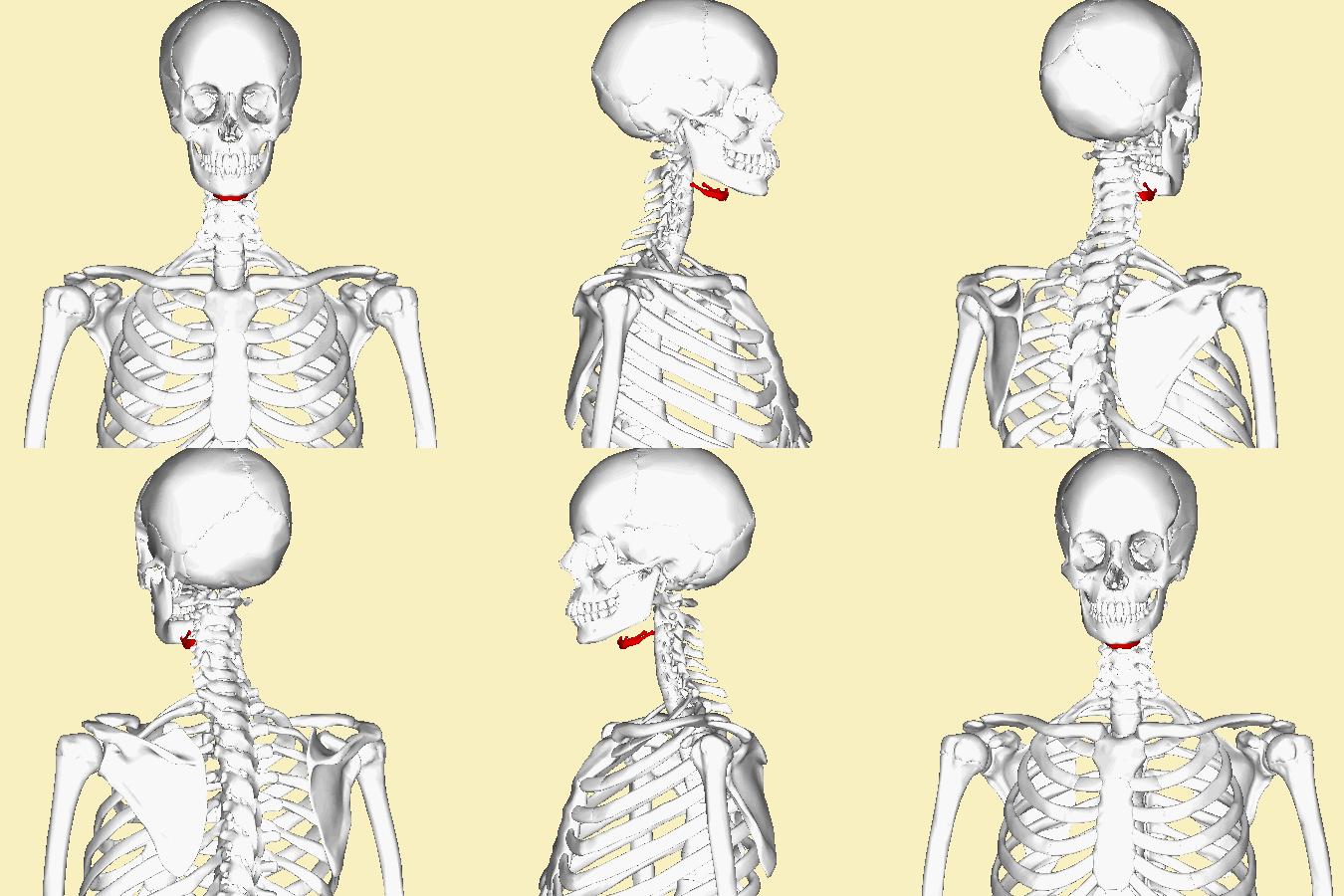
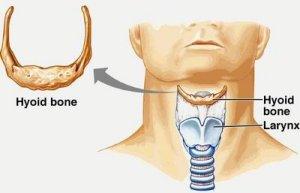
The Hyoid Bone
Medical technology is constantly changing for the better. Diseases, disorders, and medical conditions which were incurable years ago, are now beginning to finally meet their matches. We are continuously seeing new medications hit the market, capable of treating various conditions with more efficiency than ever before. With this said, however, there are still many diseases that are not curable, and many conditions that go untreated due to the inability to properly diagnose them. One man, named Paul Heathcote, had gone 20 years without a diagnosis for a problem which was causing him significant pain.
“My ‘story’ is that after being seriously assaulted in 1988, I have been complaining of pain [in] my throat on the left side, difficulty with swallowing, face pain on the left side and eye ache on the left side,” explained Heathcote to 3DPrint.com. “For over 20 years doctors and consultants could not tell me what was causing these problems despite me having numerous xrays and scans.”
Then on one weekend in 2011, Heathcote experienced pain like he had not experienced previously. It was so severe that he was admitted to the hospital with a suspected stroke. After running tests, doctors determined that he in fact did not suffer from a stroke, but unfortunately they could not tell him what the cause of this tremendous pain was. This is when Heathcote decided to takes thing into his own hands and use his knowledge of 3D imaging to do so.

Hyoid bone non-union fracture
“Having learn[ed] how to generate 3D images from a CT scan, I saw what I thought to be a fracture of my hyoid bone on the left side,” he tells us. “I printed off some images and took them to my doctor who told me I had suffered a fracture of the hyoid bone which had not united (known as a non-union fracture) and referred me to a consultant at the Ear Nose & Throat dept. at my local hospital. In the meantime I had a 3D print done of a cervical spine CT scan I had which included the hyoid bone.”
 The specialist Heathcote saw confirmed his other doctor’s diagnosis and told him that he had ‘Hyoid Bone Syndrome’ which was caused by the non-union fracture, resulting from the direct kick to his throat that he incurred during the assault in 1988. Unfortunately for Heathcote, he was told that it was now too late to perform any surgery to remove the left side of his hyoid, which had become detached from its main body, as it could make things worse.
“It seems that, but for the 3D imaging and the printed model, the doctors would not have been able to diagnose the cause of my pain and how best to manage it,” said Heathcote.
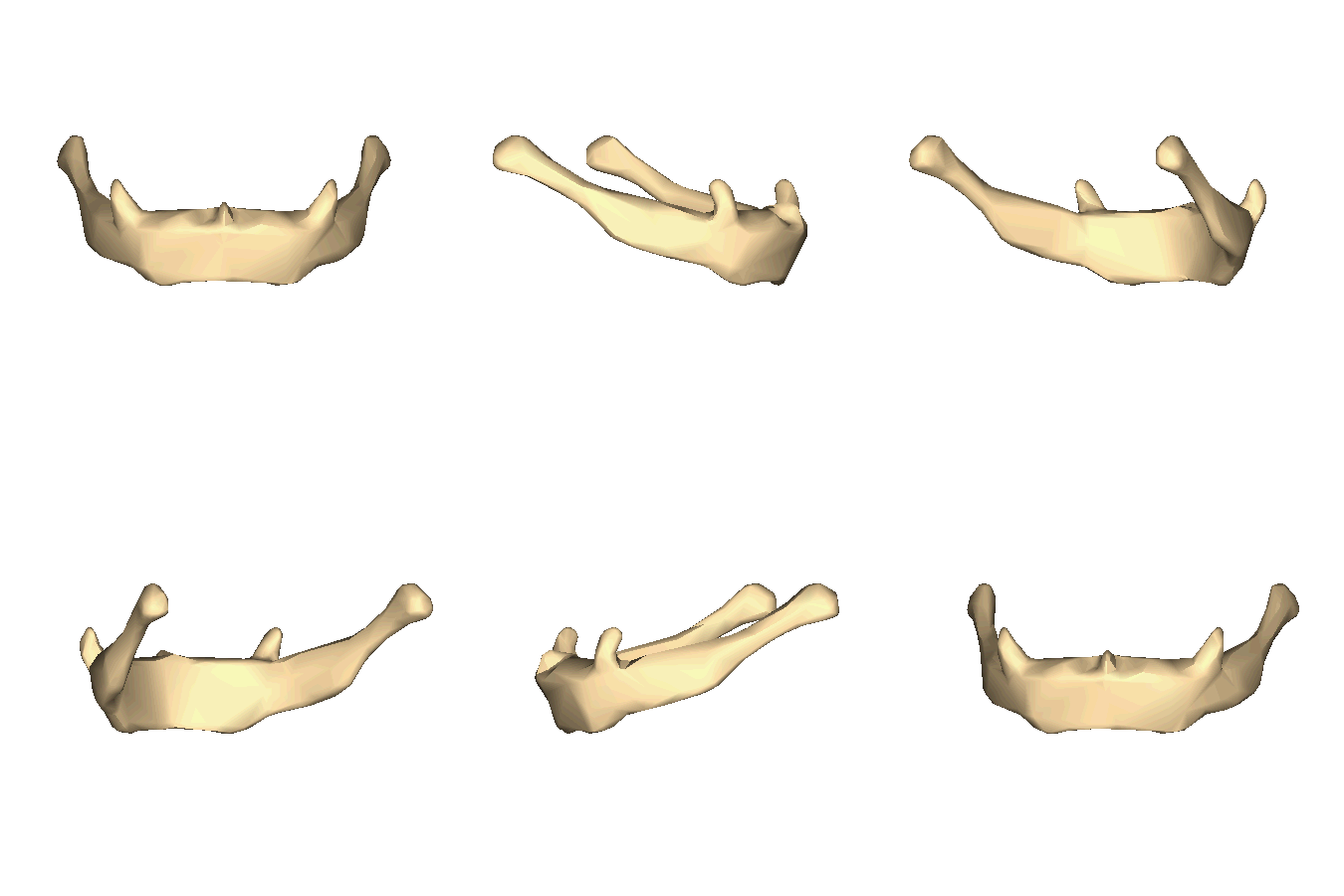 While doctors won’t be able to cure him of his pain, at least now they have a diagnosis, meaning that pain management can work more effectively. Hopefully Heathcote will lead a more pain free and relaxed life now that he knows the cause of his problems.
It still amazes me that today, with the tremendous benefits seen through the 3D imaging and 3D printing of medical models, every hospital throughout the world isn’t trying to acclimate themselves with this technology. The potential is there for much more accurate diagnoses, and treatment through the use of these visualization aids.
What do you think about the fact that it wasn’t until Heathcote took initiative himself that a proper diagnosis was made with the help of 3D imaging and 3D printing? Discuss in the Hyoid Bone Syndrome Diagnosis forum thread on 3DPB.com.
Subscribe to Our Email Newsletter
Stay up-to-date on all the latest news from the 3D printing industry and receive information and offers from third party vendors.
Print Services
Upload your 3D Models and get them printed quickly and efficiently.











You May Also Like
The Additive Chicken Coop, Part III: Bananas
A friend of mine, Ed Davis, once pointed out the level of strategic replication in additive. I wasn’t aware of it before and haven’t been able to unsee it since....
The Additive Chicken Coop, Part II: Rescoping
When we previously looked at the Additive Chicken Coop, we saw how selling devices to labs shaped a lot of our industry. Here, we explore other key factors that have...
The Additive Chicken Coop, Part I: Million Dollar Petri Dishes
After decades of tinkering with our individual technologies, billions were poured into speculative claims and optimism. Now the attention is gone, and sometimes it can seem like we’re surrounded by...
Death Spiral (or The End of the Fairchild Republic)
Previously, I wrote about the disruption of US military power. Since then, events have required a reassessment. The US is clearly in decline, and a death spiral is occurring that...