formnext: 3D Systems Demonstrates Digital Molding System and Unveils New Materials


 The 3D Systems team is in Frankfurt, Germany this week at formnext, busy driving home the details on how digital manufacturing is superior to traditional methods in so many different ways, evidenced as they highlighted the following at the popular tradeshow:
- Digital molding
- Materials innovation
- Advanced software solutions
The key to these latest technologies is that they offer speed and affordability, not to mention a host of new materials and opportunities for customization. Digital molding is a process that allows for tool-free and continuous production of parts, all with more productivity, streamlined workflow, and a better bottom line.
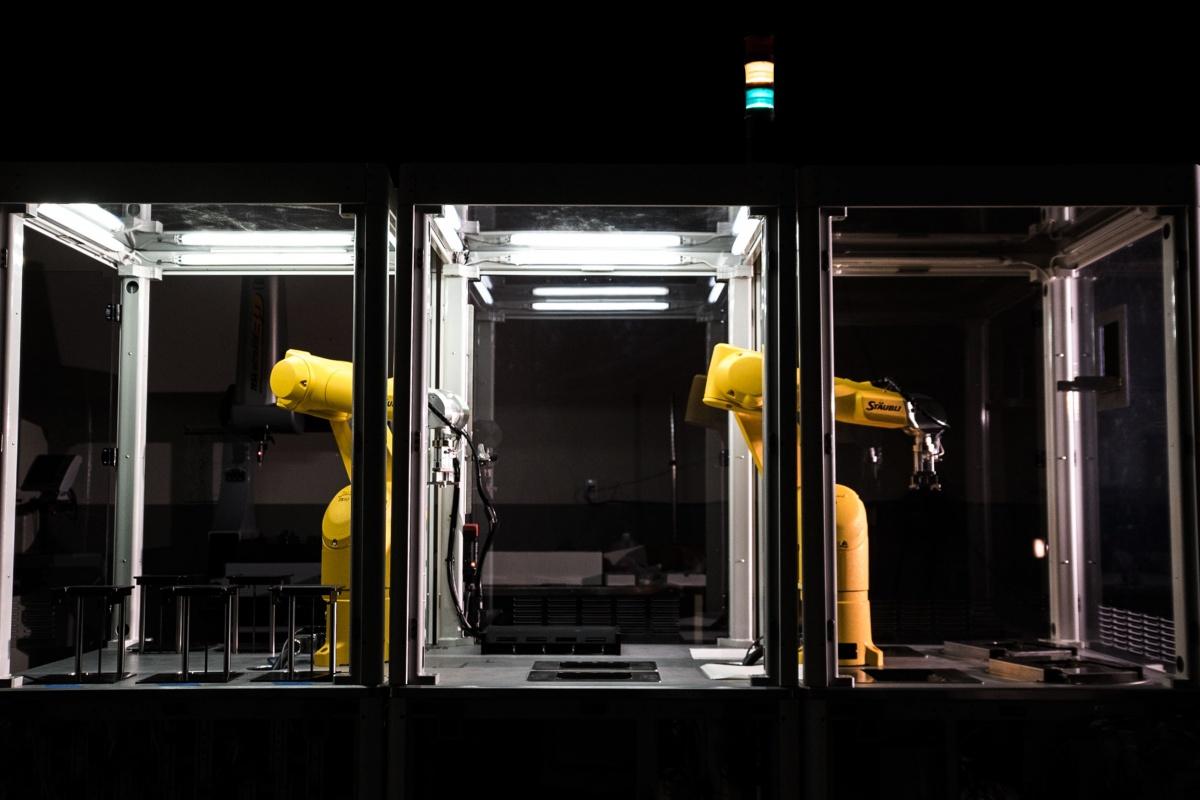
“It is a modular, scalable additive manufacturing process that simplifies and accelerates the production of plastic parts,” states 3D Systems in their latest press release.
The SLA 3D printing system, powered by 3D Systems’ Figure 4 technology, allows workflow to progress from CAD right into manufacturing without all the expense of tooling, as well as the extra time. This was explained in further detail on November 15 at formnext as 3D Systems’ Senior Researcher Scott Turner presented ‘The Evolution of Stereolithography for the Automated Manufacturing Environment.’
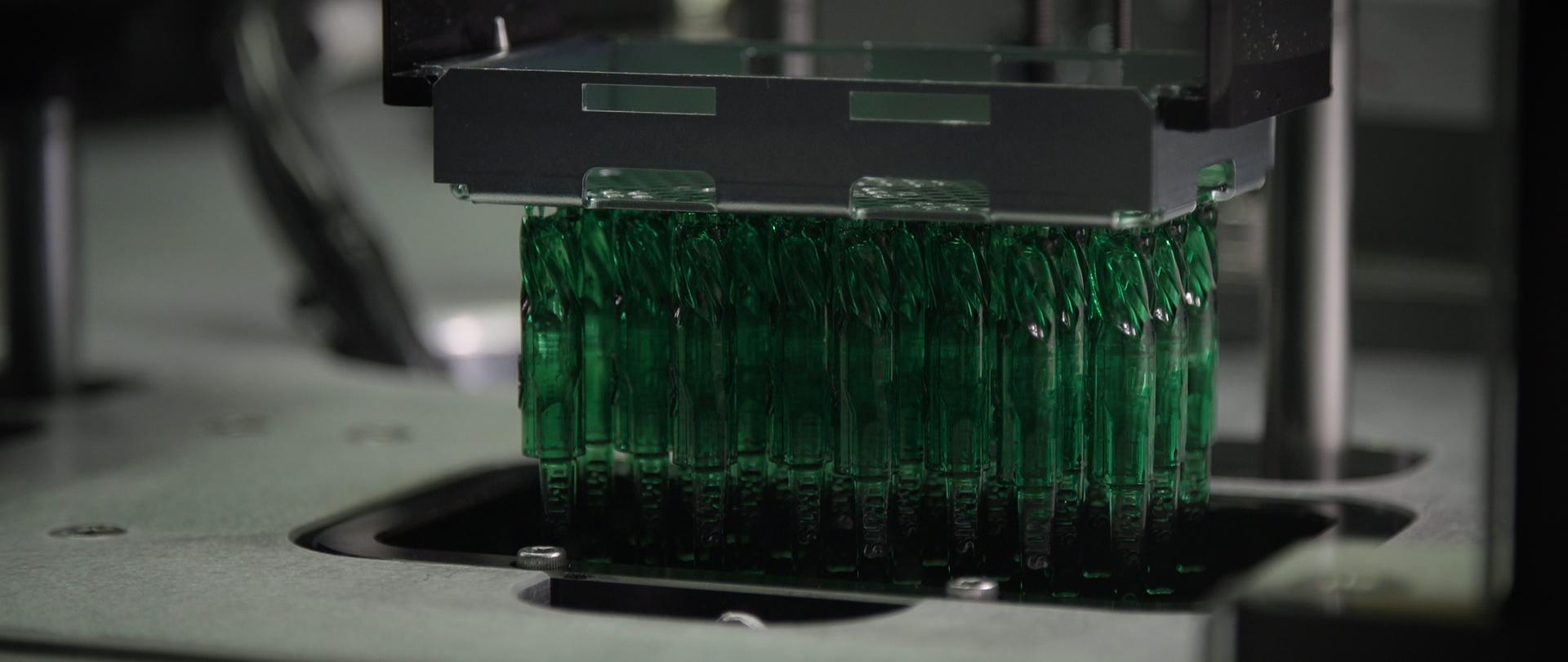
3D Systems is also introducing several materials for their MultiJet Printing (MJP), Selective Laser Sintering (SLS) and SLA technologies.
- VisiJet M3 CAST for the ProJet MJP 3600W and 3600W Max – this is a strong, ‘next generation’ material made completely of wax, created for making high quality patterns in metal casting excellence. It is recommended for creating metal parts, joining QuickCast, which is 3D Systems’ SLA solution for precision metal casting.
- Accura Phoenix3D Systems – offering superior clarity for SLA 3D printers, Accura Phoenix is also less rigid than existing high temperature materials, enabling improved performance in assembly operations where some flexibility may be required.
For SLS, 3D Systems is offering the following:
- DuraForm ProX GF Plastic – a composite nylon material filled with glass, made for the ProX SLS 500. This material offers superior rigidity but with tensile strength and superior thermal resistance.
- DuraForm ProX HST Composite – a mineral-filled composite material, proprietary to 3D Systems, and meant for the ProX SLS 500. Offering the highest available temperature resistance that 3D Systems makes in a material, with high strength to weight ratio, DuraForm ProX HST works well with applications that require lightweight, rigid, load bearing parts.
- DuraForm TPU Elastomer – an abrasion and tear-resistant material made for the sPro 60 HD-HS. This material has excellent recovery memory for maintaining original shape, and allows for the creation of functional prototypes in wear-and-tear testing, suitable for applications such as the creation of sports equipment, footwear, weather sealing, and flexible hosing and conduits.
“As 3D printing continues to evolve from prototyping to production, our end-to-end solutions are transforming the way our customers design and manufacture,” said Herbert Koeck, SVP & General Manager, EMEA, 3D Systems. “With innovations such as Digital Molding and advanced new materials, we are helping to make 3D production real.”
Those visiting formnext this week will also be able to view demonstrations of advanced manufacturing software solutions meant to streamline workflow. 3D Systems will also be showing off 3D Sprint, their software meant to aid in the production of plastic parts as well as 3DXpert, a solution for 3D printing with metal.
See 3D Systems at formnext in Hall 3.1, Stand G10 of Messe Frankfurt. Discuss in the 3D Systems forum at 3DPB.com.
Subscribe to Our Email Newsletter
Stay up-to-date on all the latest news from the 3D printing industry and receive information and offers from third party vendors.
Print Services
Upload your 3D Models and get them printed quickly and efficiently.













You May Also Like
SWISSto12 Closes $70 Million Series C Round
Swiss satellite manufacturer SWISSto12 has closed a $70 million Series C round. This follows $84.8 million that the company received from ESA and ESA member states, and previous rounds that...
Rocket Lab Buys Iridium in $8 Billion Deal, Creating a New SpaceX Rival
Rocket Lab is buying Iridium for $8 billion in a cash-and-stock deal worth $54 per share. Shareholders will receive $27 in cash plus additional Rocket Lab common stock. The company...
SWISSto12 and HPS/LSS Build Unfurling Antenna for Next-Gen Satellite
SWISSto12 is to work with HPS/LSS. High Performance Space Structure Systems and Large Space Structures are two separate firms that work together on large antenna reflectors. The two will work...
Japan’s Space Compass Corporation Buys a SWISSto12 Satellite
Japanese firm Space Compass Corporation has agreed to buy a SWISSTo12 GEO optical data relay satellite. The compact Hummingsat will be used for Space Compass’ optical data relay service. Space...