
Fabien Cousteau Helps to Bring 3D Printed Coral Reefs to the Caribbean

 Even if you’re not particularly interested in marine biology, you’ve likely at least heard of Jacques Cousteau. The French oceanographer, explorer and conservationist not only made modern SCUBA diving possible, but is responsible for raising global awareness of the human-caused risks to underwater ecosystems, thus contributing to the conservation of innumerable species. Cousteau passed away in 1997, but the Cousteau Society, which he founded in 1973, continues to carry on his work through educational programs, research expeditions and lobbying for the protection of coastal regions.
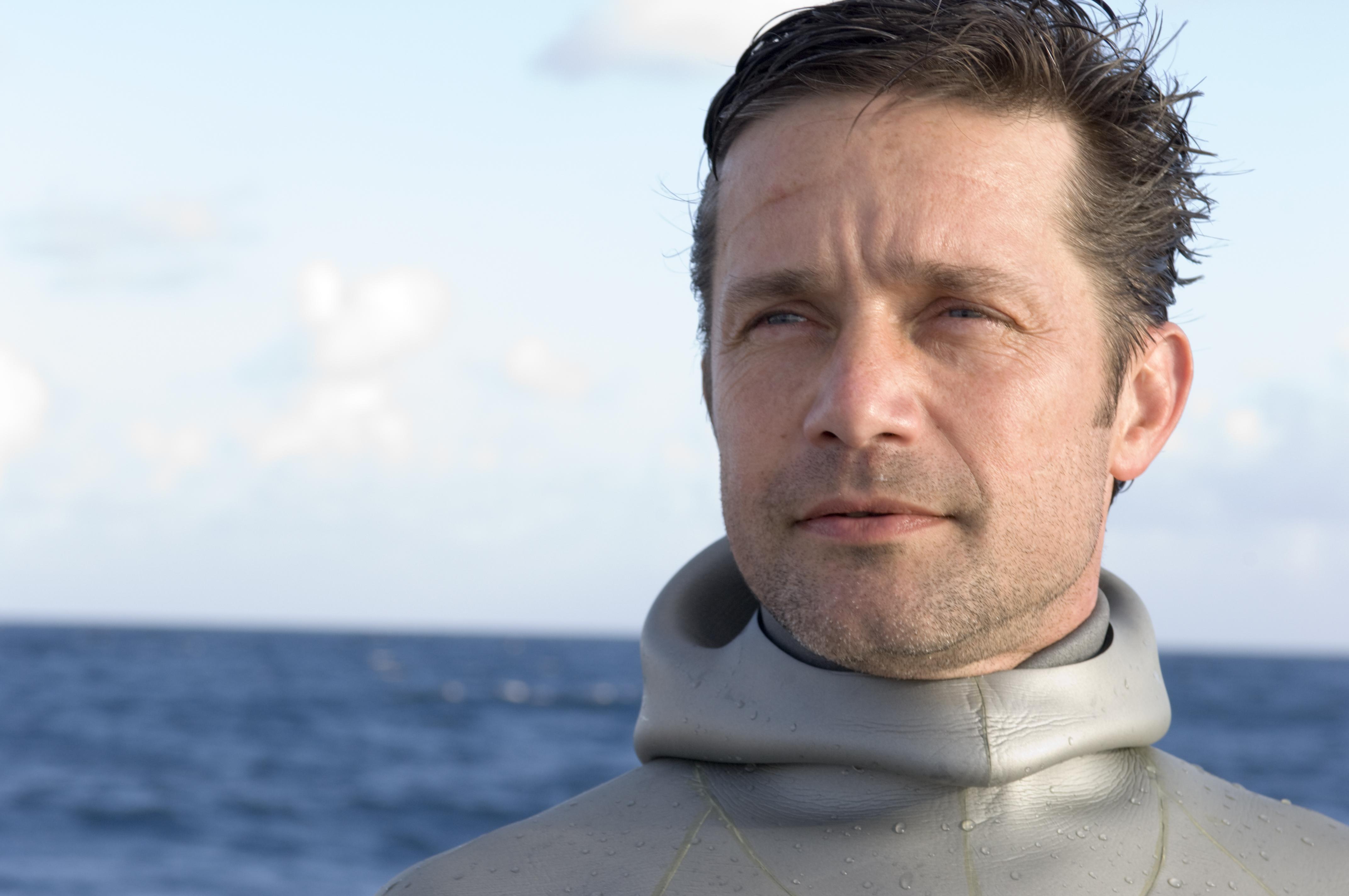
Fabien Cousteau
Cousteau’s family has been following in his footsteps, too – particularly his grandson Fabien Cousteau, a filmmaker, conservationist and oceanographer. The younger Cousteau founded his own organization for marine education and conservation, the Fabien Cousteau Ocean Learning Center, just this year, and one of its first projects involves an ambitious, creative use of 3D printing.
Coral reefs aren’t doing so well these days, thanks to global warming, pollution and other damage caused by humans. The delicate, beautiful coral is more important than many people realize – in addition to supporting thousands of species found nowhere else on Earth, the reefs act as a buffer between shorelines and dangerous waves, generate billions of dollars in fishing and tourism revenue, and hold potential cures for diseases like cancer and HIV. Their disappearance is a threat to all of us.
So what’s to be done? There are several possible solutions, and one of them we’ve written about before. 3D printed coral reefs may be synthetic, but their similarity to natural reefs, in texture, appearance, and even chemical makeup, is designed to attract baby coral polyps, which float around the sea looking for surfaces to attach themselves to and start multiplying. The hope is that if enough of those coral polyps attach and reproduce, they can grow into new reefs, which will in turn attract rare fish and invertebrate species to rebuild the diverse reef ecosystems that have been under threat.
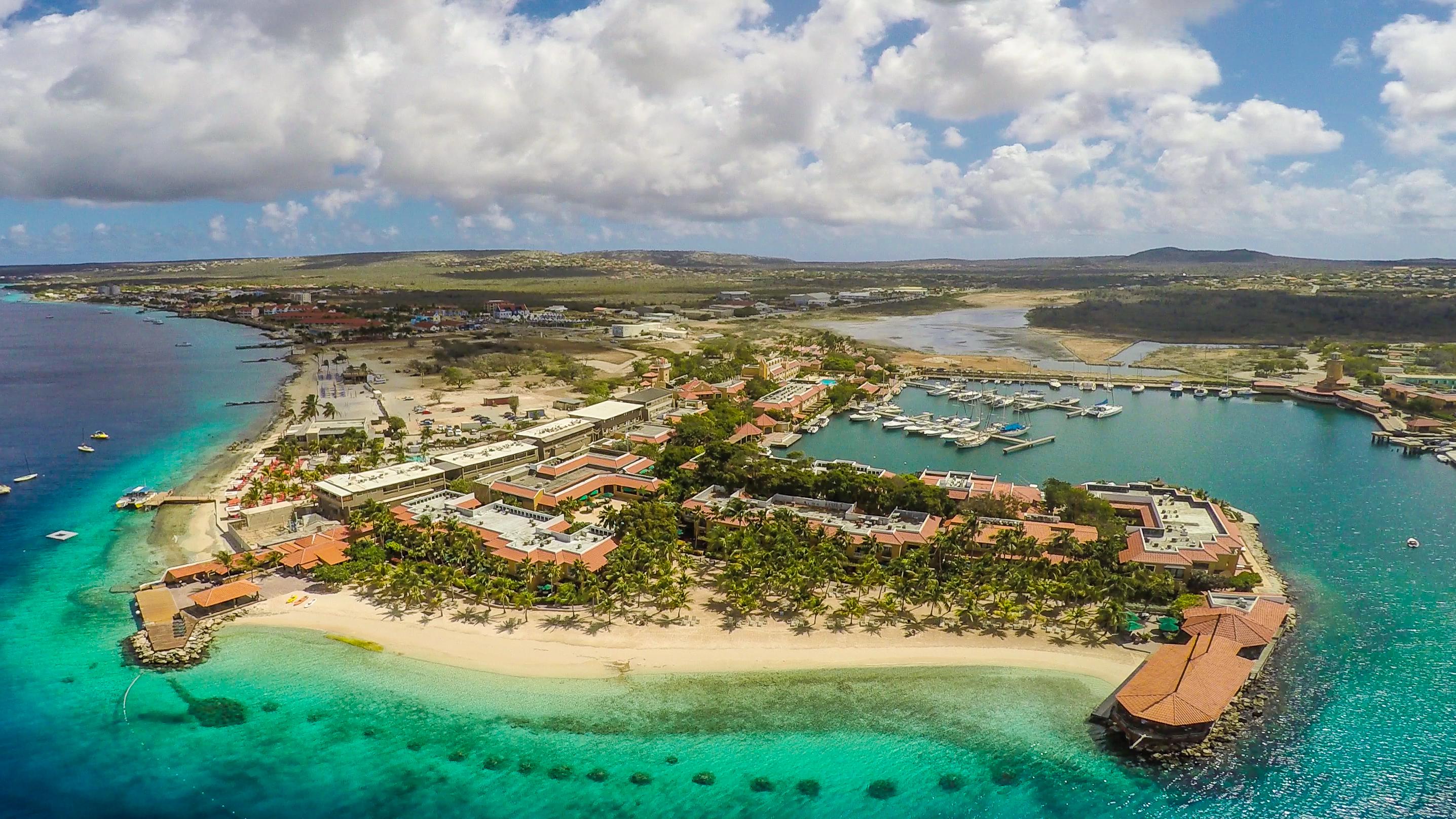
Harbour Village from above
The first 3D printed reef in an ocean was implanted in 2012, off the coast of Bahrain. The Cousteau Ocean Learning Center, however, is about to bring 3D printed reefs to the Caribbean. The organization has partnered with the Harbour Village Beach Club, which is located on the Caribbean island of Bonaire and hosts the Ocean Learning Center itself.
“I’ve been all over the world and Bonaire is a very special place,” said Fabien Cousteau. “My goal is to positively influence the young people on Bonaire, engage decision-makers to choose to preserve the ocean’s natural beauty and culture, and make this island an example for the world.”
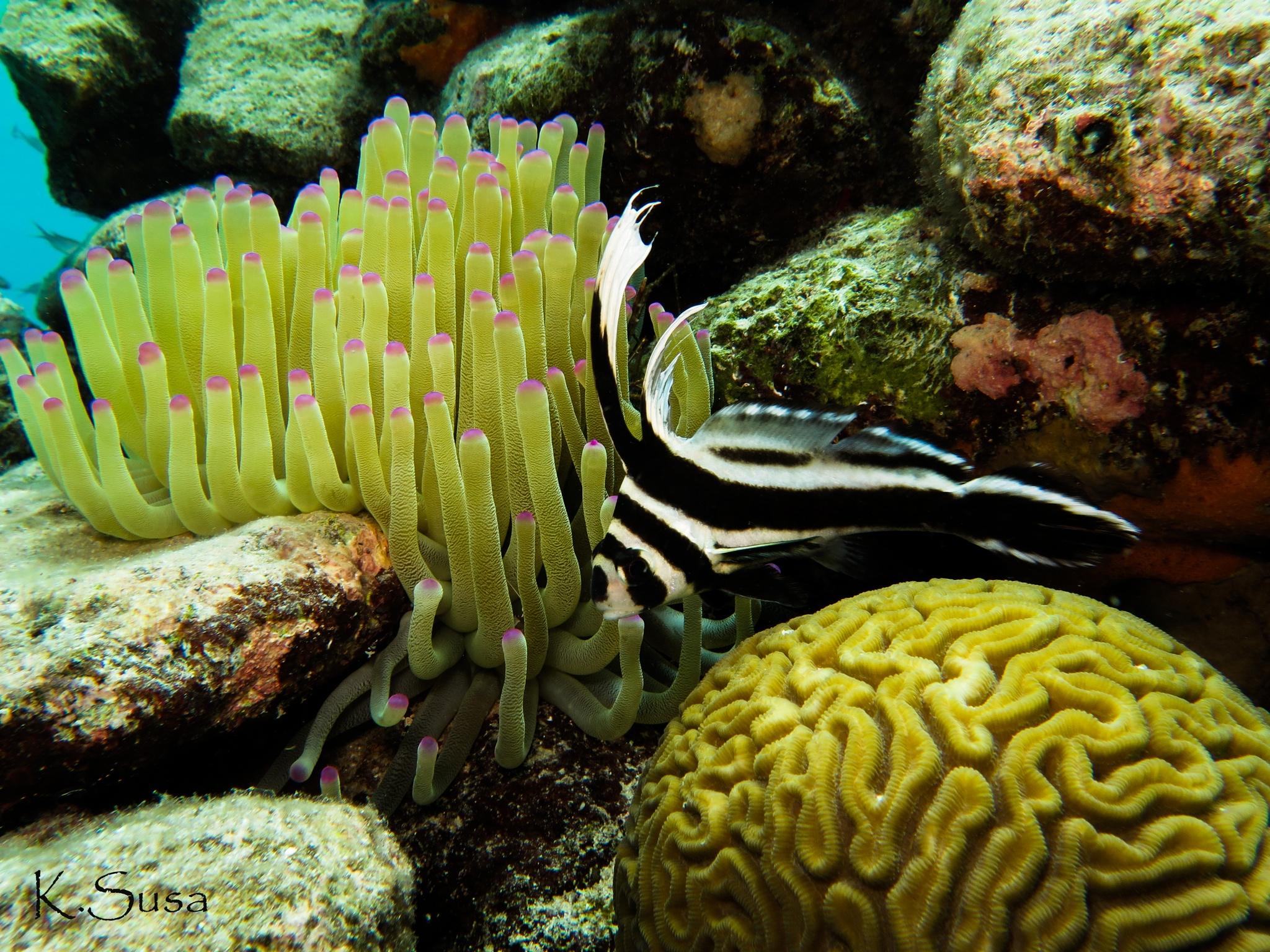 The idea is to begin 3D printing coral later this year, using equipment at the Ocean Learning Center. While the exact locations for the implantation of the printed reefs hasn’t yet been decided, the partners hope that the reefs will help transform the island into a wildlife refuge – not only for the coral and other creatures on the reef, but for the birds and other marine life that subsist on coral species.
“Coral reefs account for 25 percent of all reef life and $6.7 trillion of global economic development,” said Cousteau. “Bonaire is in a prime position to enhance reef growth because it has so many natural, healthy reefs already. Our initiative with 3-D printing will rapidly assist us in revitalizing more stressed or damaged areas. 3-D printed corals can generate real change and establish real growth for reefs, one of the key attractions for visitors and divers alike in Bonaire. This technology is less labor-intensive than current coral restoration processes, creating a larger impact in a shorter amount of time.”
The process of printing and implanting the reefs will be documented at every step, with educational materials and even a documentary on the project being generated at some point. Not only will the 3D printed reefs improve the marine habitats around Bonaire, but they’ll also serve as an example of how technology can be used to save threatened ecosystems around the world.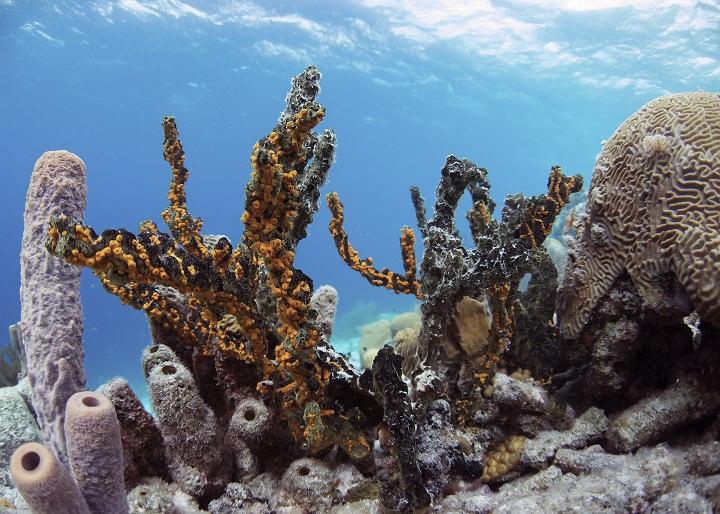
“We are pleased to use advanced knowledge of prominent sea issues to make Bonaire an example for the Caribbean and other areas of the world,” said Eric Ewoldt, Executive Director of Harbour Village. “We know 3-D printing efforts have worked in Monaco and the Gulf States among others. With the development of our Ocean Learning Center, now is the perfect time to launch this technology in Bonaire.”
Discuss further in the Bonaire & 3D Printed Coral Reefs forum over at 3DPB.com.
Subscribe to Our Email Newsletter
Stay up-to-date on all the latest news from the 3D printing industry and receive information and offers from third party vendors.
Print Services
Upload your 3D Models and get them printed quickly and efficiently.













You May Also Like
The Manufacturing Race Behind the Drone Revolution
We are in the middle of a major manufacturing shift focused on the production speed and payload capacity of uncrewed aerial systems (UAS), or drones. A recent Manufacturing Dive article...
ADDMAN to Buy Up to $10.8M in Nickel 718 Powder from 6K Additive Over 30 Months
After years of buildup, we’re finally starting to see what the US metal additive manufacturing (AM) market could look like at scale. To be sure, it’s still not quite there,...
Metal AM in a Multipolar World, Part 2: How PBF and DED Could Change by 2035
The first decades of PBF development were heavily shaped by machine capability: more power, more lasers, larger build volumes, better recoating, and improved process monitoring. These developments will continue, but...
Advanced Manufacturing at IMTS 2026: 3D Printing and AI and Drones, Oh My!
Last week’s International Manufacturing Technology Snow (IMTS) in Chicago welcomed over 90,000 attendees to the jungle that is McCormick Place. With over 1.17 million square feet of exhibit space, and...

























































