Four Consecutive Profitable Quarters: Aleph Objects Releases Q2 Results for 2016


 As we swim in a sea of wildly differing and often quite subjective opinions on the future of 3D printing, numerous economic reports say that the industry as a whole will indeed grow in strength and popularity, as well as in substantial revenues. Nearly every market connected to 3D printing is projected to expand, from materials to peripheral products and technologies as well, like the Internet of things.
But in watching the big dogs of the industry lose some of their luster, and especially as earnings time rolls around, confidence in the future of 3D printing could begin to falter if you stopped there. There are, however, a number of smaller companies and manufacturers around the world that are thriving, producing new products and programs—and keeping our fingers tapping on the keyboards continuously as progress, and sales, ensue.

Jeff Moe, CEO
Aleph Objects, Inc. is certainly a perfect example. Home to LulzBot 3D printers, and headquartered in Loveland, Colorado, they’ve just released 2016 results for the second quarter and six months, rolling along very nicely in the black:
- For the second quarter of 2016, the company reported revenue of $5.8 million USD, recording four consecutive profitable quarters.
- The second quarter 2016 represents an 83% improvement in year-over-year revenue versus second quarter 2015.
- As of year-to-date 2016, the company reported profitable performance on revenue of $10.5 million.
We’ve certainly been watching—and reporting—as Aleph Objects tripled revenues in 2015, opened a new fulfillment center in Australia, and most exciting: they released the LulzBot TAZ 6 in May, retailing at $2500 USD. This all happened, of course, still in the midst of great acclaim and popularity for both the TAZ 5 and the Mini.
“The desktop 3D printing industry is transforming countless other industries, with a flight to quality as end users look for the best solutions to address their needs.” Aleph Objects, Inc. President and CEO Jeff Moe said. “We are expanding our production capabilities and are eager to continue serving our users around the world as the 3D printing industry grows.”
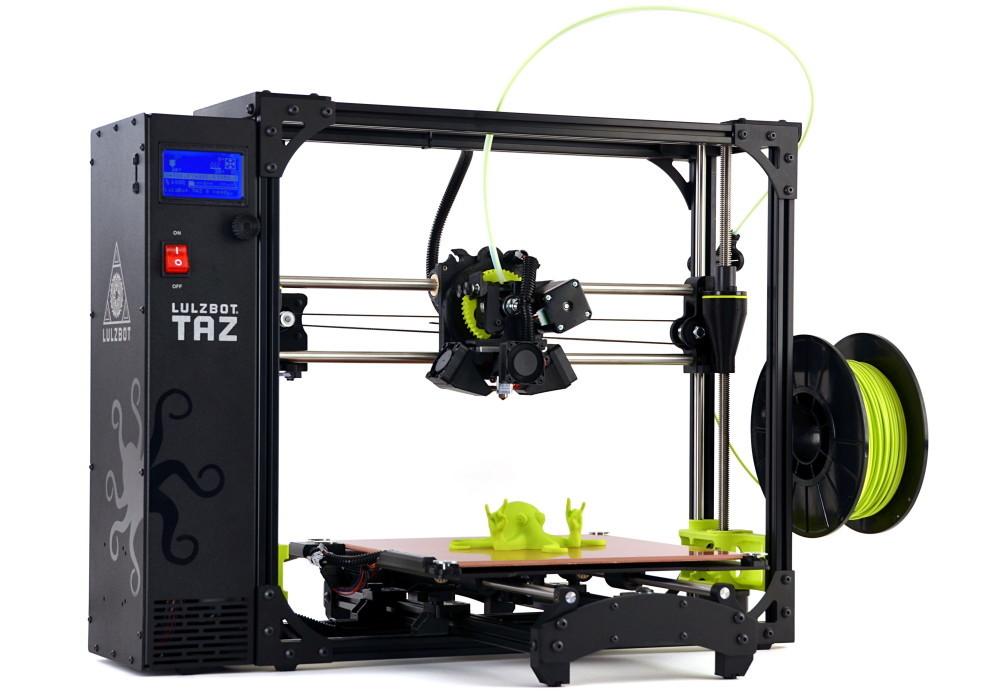
The LulzBot TAZ 6 from Aleph Objects.
Following the release of the TAZ 6, they also again updated their Cura LulzBot Edition, a free software package that converts files to GCode—also allowing for user control of the LulzBot 3D printer. In the materials business as well, they released High Temperature PLA from Proto-pasta, meant to offer greater strength and heat resistance. For more advanced users, Aleph also introduced the LulzBot TAZ FlexyDually Tool Head v2, a toolhead (compatible with all of their TAZ printers) that allows for hobbyists and pros to make all sorts of items from living hinges and gaskets to wearables and more.
With so much success behind them already, it is of course no surprise to hear Aleph Objects point out that this quarter’s revenue came about via strong product performance from not just their 3D printers, but also accessories and materials. In analyzing internal customer surveys, they found ‘strong growth’ in both personal and professional use for their desktop 3D printers, spanning a range of applications. The surveys, according to the company, also indicated that 98% would indeed recommend LulzBot products. Discuss further in the Aleph Objects Q2 Earnings forum over at 3DPB.com.
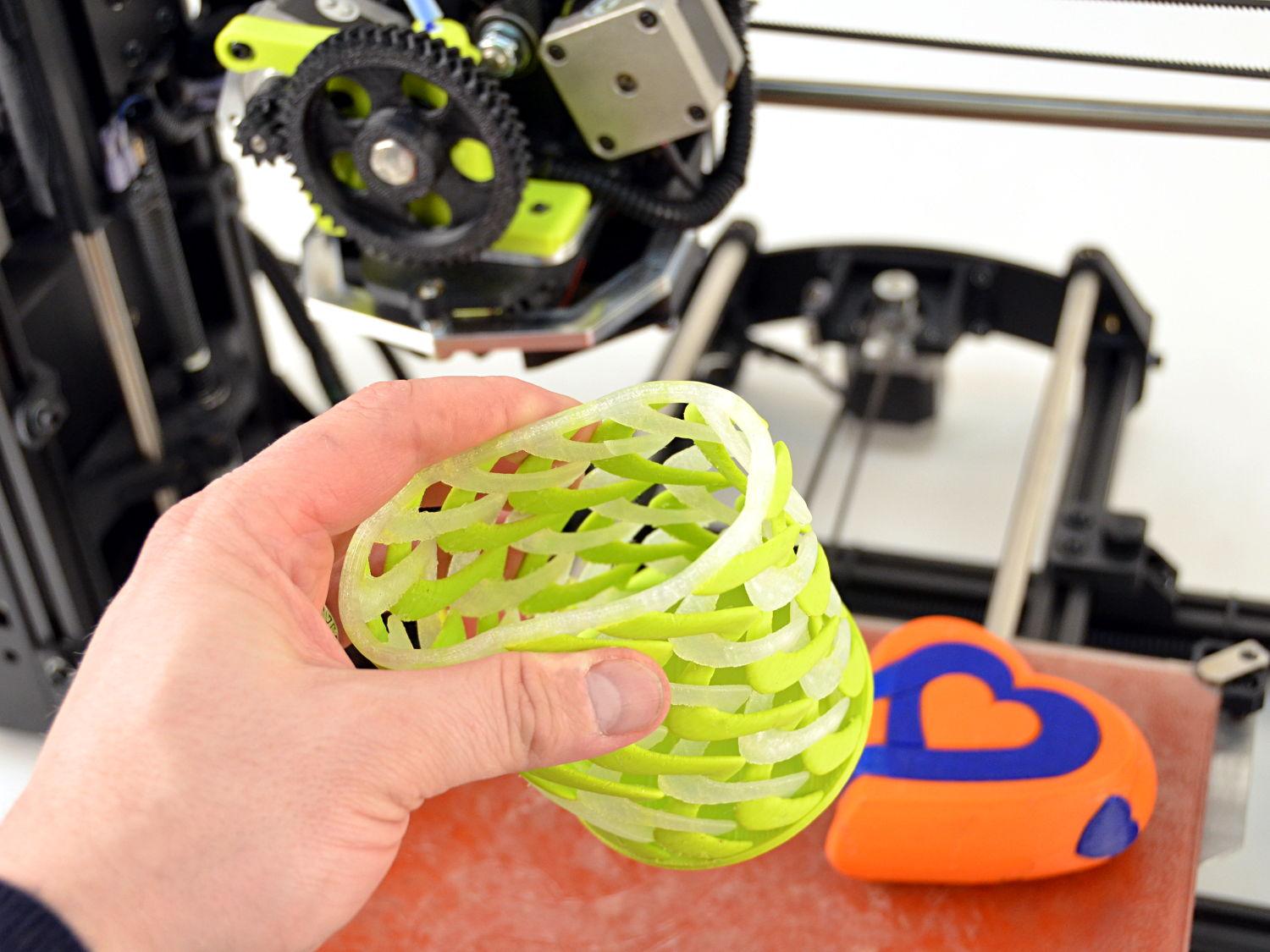
LulzBot TAZ FlexyDually Tool Head v2
Subscribe to Our Email Newsletter
Stay up-to-date on all the latest news from the 3D printing industry and receive information and offers from third party vendors.
Print Services
Upload your 3D Models and get them printed quickly and efficiently.













You May Also Like
3D Printing News Briefs, October 10, 2026: Drones, WAAM, Ceramics, & More
We have a packed 3D Printing News Briefs for you this weekend! First, America Makes celebrated the recent National Manufacturing Day with 3D printed drones, and then it’s on to...
3D Printing News Briefs, October 3, 2026: Hypersonics, Hotends, & More
We’re starting off with defense in this weekend’s 3D Printing News Briefs, as Titomic was awarded a $5 million U.S. defense contract, and VulcanForms announced a partnership with Specter Aerospace...
The Part Is Only Half the Story: Why 3D Printing Needs a Digital Thread
A 3D printed part can generate a lot of information. The challenge is keeping track of it. Manufacturers need to know which design was used, what material went into the...
Advanced Manufacturing at IMTS 2026: 3D Printing and AI and Drones, Oh My!
Last week’s International Manufacturing Technology Snow (IMTS) in Chicago welcomed over 90,000 attendees to the jungle that is McCormick Place. With over 1.17 million square feet of exhibit space, and...