World’s First 3D Printed Excavator to Debut at CONEXPO-CON/AGG and IFPE 2017

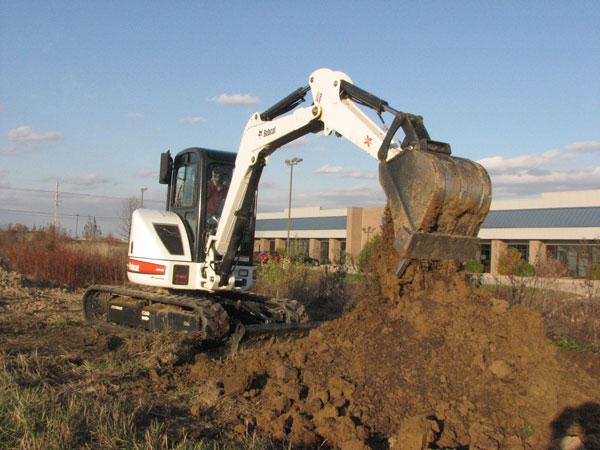
Excavator with 3D printed prototype components.
Fluid power, or what is more commonly called hydraulics, is the use of keeping fluids under pressure in order to generate, control, or transmit power. Hydraulics is used in a range of industries and applications, but it is perhaps most common in the construction industry for heavy machinery like excavators and wheel loaders. These large-scale machines are essential to constructing our modern world, and so far there isn’t anything that is able to match the hydraulic powered equipment. Power and productivity have been the primary concern for the industries that use these systems. However with growing fuel costs and tightening emissions regulations the industry is finally starting to design more efficient systems, and large-scale industrial 3D printing is playing a role in those designs.
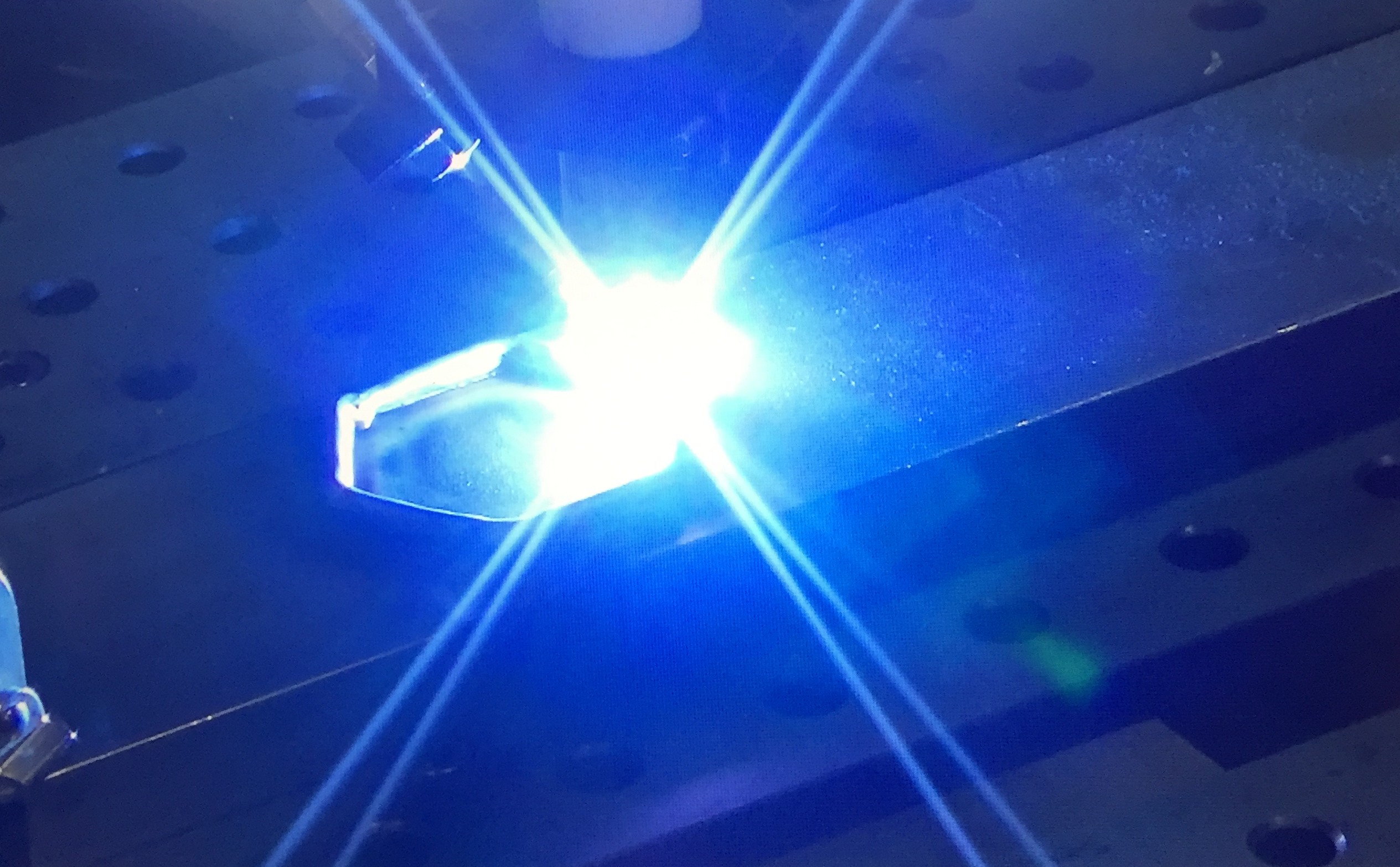
3D printing steel.
The world’s first 3D printed excavator has been set to be on display at next year’s CONEXPO-CON/AGG and IFPE 2017 being held at the Las Vegas Convention Center from March 7th to the 11th. As the largest construction show in the Western Hemisphere, the 3D printed excavator is going to be presented to some of the most important people in the industry, and could very well be the future of hydraulic-powered construction systems. The excavator will also be the first large-scale construction and machinery application of 3D printed steel, and will be central to the shows “Imagine What’s Next” theme. The show attendees will also be able to see a second excavator being 3D printed live on the show floor.
“We know our members look forward to seeing the industry’s most innovative technologies at CONEXPO-CON/AGG and IFPE each show year and this year will not disappoint. We’re thrilled to bring such a significant technological and first-of-its-kind achievement like the 3D printed excavator to the show. This year’s show is a platform to demonstrate how the latest innovations and applied technologies are changing the future of construction industry,” said IFPE show director John Rozum.
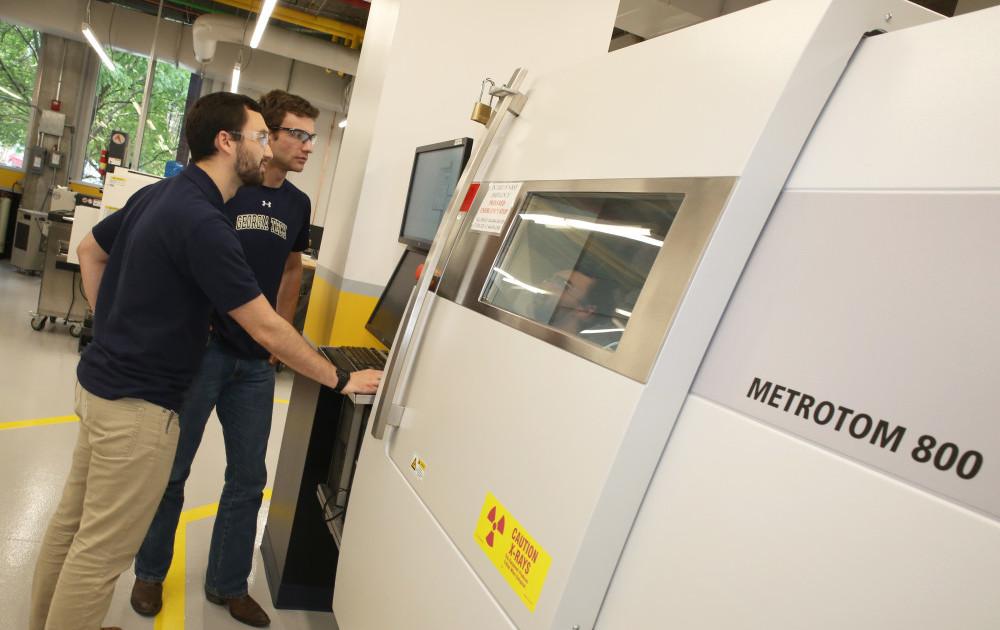
Georgia Tech grad student Clayton Greer and undergrad research assistant James Collins analyzing one of their 3D printed designs.
The excavator was developed as a joint collaboration between the Association of Equipment Manufacturers (AEM), National Fluid Power Association (NFPA), Center for Compact and Efficient Fluid Power (CCEFP), Oak Ridge National Laboratory (ORNL) and the National Science Foundation (NSF). Two separate research teams of graduate engineering students from Georgia Tech and The University of Minnesota will be adapting the basic design of current excavators and developing new and more efficient designs using additive manufacturing processes and technologies. The team from Georgia Tech will be designing the boom and bucket, which will feature integrated hydraulics that will decrease the weight, manufacturing materials cost and maintenance cost. The University of Minnesota team will be designing a hydraulic oil reservoir, heat exchanger and cooling system that will reduce the size and weight of the excavator while increasing the efficiency.
“Technology and innovation will drive change for the future of the construction industry, and we’re excited that students are playing a vital role in bringing the newly designed machine to life,” said the chief executive officer of NFPA Eric Lanke of the graduate engineering student research teams role in the excavators development.
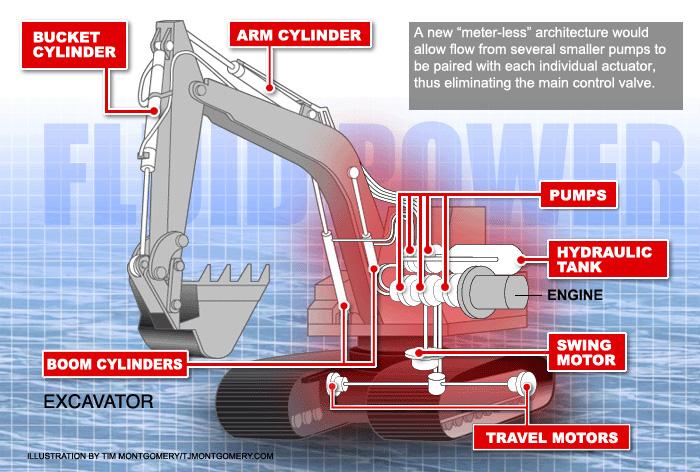
The systems being redesigned for 3D printing.
Here is video of a prototype of the new 3D printed excavator technology in action:
In addition to the partnerships with Georgia Tech and the University of Minnesota, AEM, NFPA, CCEFP, ORNL and NSF are also inviting any undergraduate engineering students from any US university to enter a nationwide contest to design and 3D print a futuristic cab and human-machine interface for the excavator. The only requirement for the designs is that they both need to be aesthetically pleasing and functionally designed. Any students interested in submitting their designs for the excavator cab can visit the Center for Compact and Efficient Fluid Power website. All entries will be judged by a full panel of industry experts, and the winning design will receive a $2,000 cash prize. The designer or design team will also win the chance to go to Tennessee and visit the Oak Ridge National Laboratory to observe them 3D printing their winning design. Discuss in the First 3D Printed Excavator forum over at 3DPB.com.
Subscribe to Our Email Newsletter
Stay up-to-date on all the latest news from the 3D printing industry and receive information and offers from third party vendors.
Print Services
Upload your 3D Models and get them printed quickly and efficiently.













You May Also Like
10 Years of Multi Jet Fusion: Onsite at HP’s Vancouver, Washington Facility
At this year’s RAPID event in Boston, HP Additive Manufacturing Solutions celebrated ten years in the additive manufacturing (AM) market. The company ushered in the milestone with several innovations, including...
These 3D Printed Lattices Can Sense Damage Before Failure
A new paper, “Full-Field Damage Monitoring in Architected Lattices Using In situ Electrical Impedance Tomography,” points to lattices being able to detect damage. This could really help composites in critical...
3D Printing News Briefs, October 3, 2026: Hypersonics, Hotends, & More
We’re starting off with defense in this weekend’s 3D Printing News Briefs, as Titomic was awarded a $5 million U.S. defense contract, and VulcanForms announced a partnership with Specter Aerospace...
3D Printing News Briefs, October 1, 2026: Defense, Enclosures, & More
In today’s 3D Printing News Briefs, we’re starting with defense news, first from Massivit and then from AML3D. Then we’ll move on to U.S. manufacturing of a new large-format LPBF...