First 3D Printed Replica of 3,000-Year-Old Chinese Oracle Bone Created

Despite the fact that most people seem to have only a limited understanding of the importance of knowing about the past, human beings seem to be consistently interested in knowing about the future. From fortune cookies to palm readings and horoscopes to futurists, people have been trying to peek around the curtain and understand what the future holds for as long as they have lived in anything other than the moment.
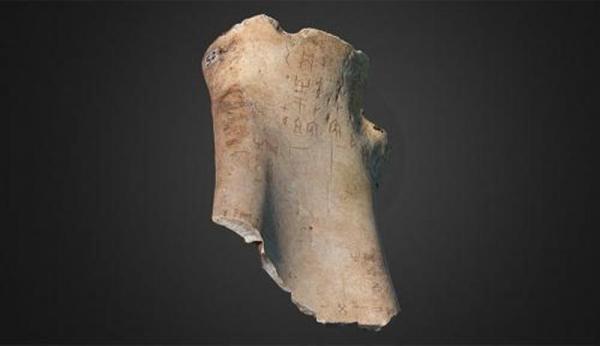
[Image : Dominic Powlesland, University of Cambridge Digital Library]
These bones were used as part of the practice of pyromancy, or divination using fire. Questions about the future were inscribed on the bones, generally either the scapulae of an ox or the plastrons of a turtle, and then subjected to heat in a fire. The forms of the cracks created through the heating would then be interpreted by a diviner as a response to the question posed.
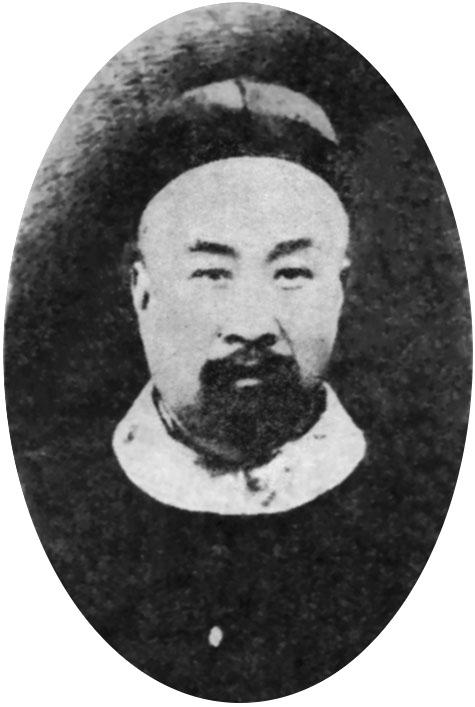
Wang Yirong
The bones were regularly turned up in the soil tilled by Chinese farmers and, unfortunately, often sold as dragon bones to be ground into medicines. Their existence as part of the material record of China’s history was only recognized at the end of the 19th century when Wang Yirong recognized the markings as inscriptions. Since then a large collection of these inscriptions has been amassed and is dispersed among a variety of museums and academic institutions around the world.
One of the difficulties associated with the study of these important artifacts of China’s history is the limited access to them that is a requisite of preserving their integrity. Now, due to high quality, detailed scanning and reproduction options made possible through 3D technologies, the bones can be shared anywhere in the world, anytime, for as long as necessary without damaging the original pieces.
The first of these scanned and printed pieces is oracle bone CUL52 which contains inscriptions detailing the sacrifice of an ox to an ancestor. The scan itself was created by Professor Dominic Powlesland of Cambridge University and pooled approximately 1.3 million aspect points and is able, therefore, to provide a seamless view in 3D of the oracle bone from inscription to divination.
After the scan was created, Powlesland workd with Addenbrooke Hospital’s Media Studio to produce the print of the bone. This partnership was particularly appropriate given the hospital’s possession of a printer primarily used to produce objects for orthopedic and maxillofacial surgery. The final print contains 350 layers and was made of plaster hardened with superglue. Discuss your thoughts on these techniques in the 3D Printed Oracle Bones forum over at 3DPB.com.
[Source: Tech Times]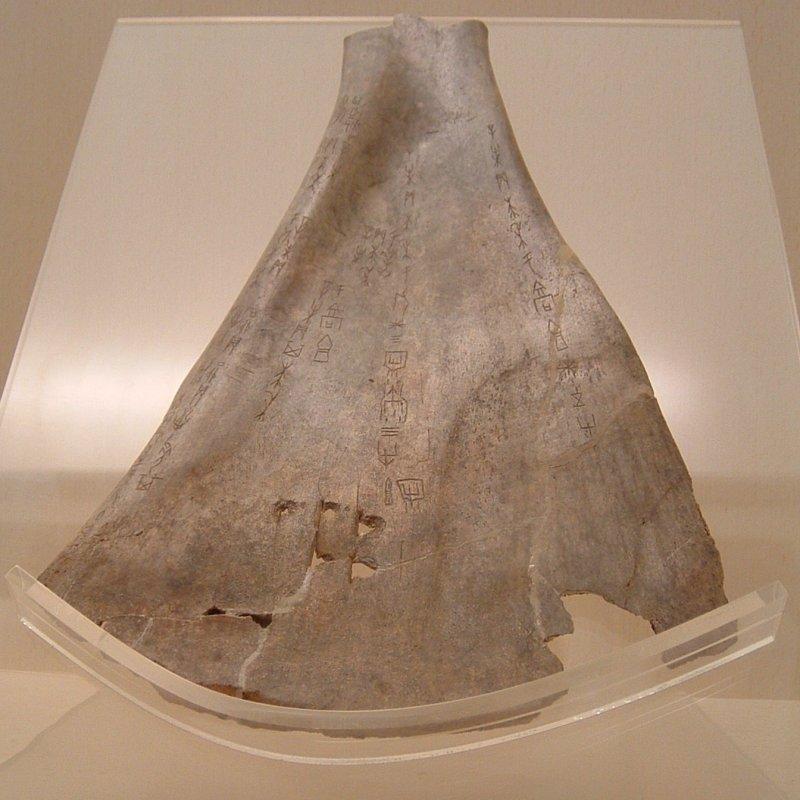
Subscribe to Our Email Newsletter
Stay up-to-date on all the latest news from the 3D printing industry and receive information and offers from third party vendors.
Print Services
Upload your 3D Models and get them printed quickly and efficiently.











You May Also Like
Cybersecurity: A Necessity in a Maturing Additive Manufacturing Industry
Additive Manufacturing is no longer an experimental technology operating on the margins of industrial production. Over the past decade, it has become an integral part of how OEMs design, produce,...
How Metal Additive Manufacturing Is Reshaping the Future of Aerospace and Defense Engineering
Additive manufacturing (AM) is steadily changing the way we think about producing metal parts for aircraft. Whilst aerospace and defense companies have been using metal AM for over twenty years,...
The AM Adoption Problem No One Models
Through its short history, Additive Manufacturing has been presented to the investment community as a classic high growth technology story. Manufacturing is a multi-trillion-dollar market. Even a small percentage looks...
The Business of Customized Sports Equipment: How 3D Printing Is Changing Athletic Gear
For years, 3D printing in sports has been linked mostly with prototypes, concept shoes, and one-off experiments for elite athletes. Helmets, cleats, and footwear midsoles often took over the headlines,...