Formula One Pit Crews Embrace 3D Printed Noise Cancelling Earpieces From Minerva Hearing

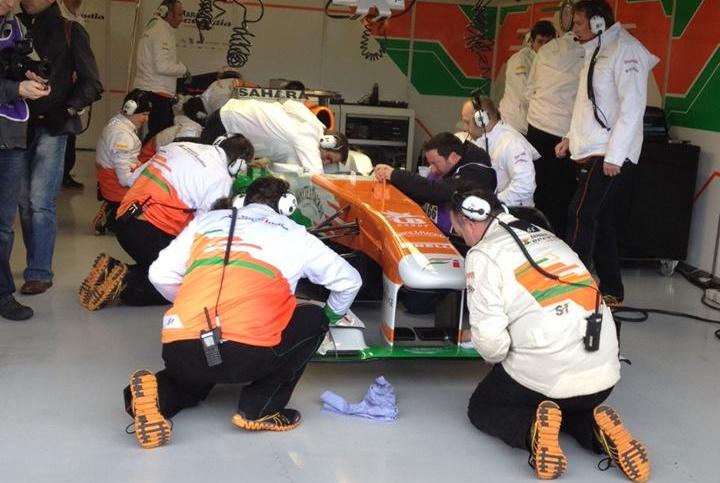
 The sound of a racing motor at full throttle is a singularly powerful noise. While changes in Formula One motors, from V8s to the turbocharged 1.6-liter V6 motors of this season, mean they generate 15,000 RPM, which is 3,000 RPM less than last year, and though the smaller engines have made them significantly quieter, they’re still loud.
Now that scientists are warning people around the world of the dangers of prolonged exposure to high levels of noise, a Welsh company is using 3D printing to create earplugs to prevent hearing damage to everyone from musicians to Formula One mechanics.
 As a point of reference, you can tolerate the noise generated as you ride in a car – around 85 dB – for about 8 hours before hearing damage begins to occur. An average motorcycle generates 95 dB, and you can take about 47 minutes of that, and a loud rock concert can pound out 115 dB.
While the new generation of F1 cars creates some 80 dB of sound, the old V10-based cars pumped out 130 dB. At a level of 128 dB, your hair can actually begin to detect vibration from sound, and at those levels, hearing can be altered in a matter of seconds. A very small hand grenade or bomb can create up to 210 dB.
All this is important as one part of the inner ear, the cochlea, contains some 17,000 small hair cells called stereocilia which float inside cochlear fluid. When sound waves enter the cochlea, the stereocilia move, and that triggers an electrical impulse in the auditory nerve. The nerve passes those electrical impulses to the brain where they’re decoded as “sounds.”
Here’s the problem: once damaged, stereocilila don’t grow back.
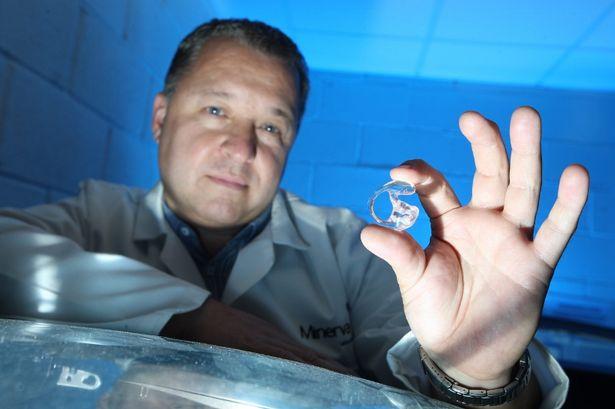
Kevin Davies, operations director at Minerva Hearing Protection in Cardiff, Wales, says his company’s custom hearing protection devices built with 3D printing technology have been used for everything from providing protection for the pit crews on the F1 circuit to musicians on stage.
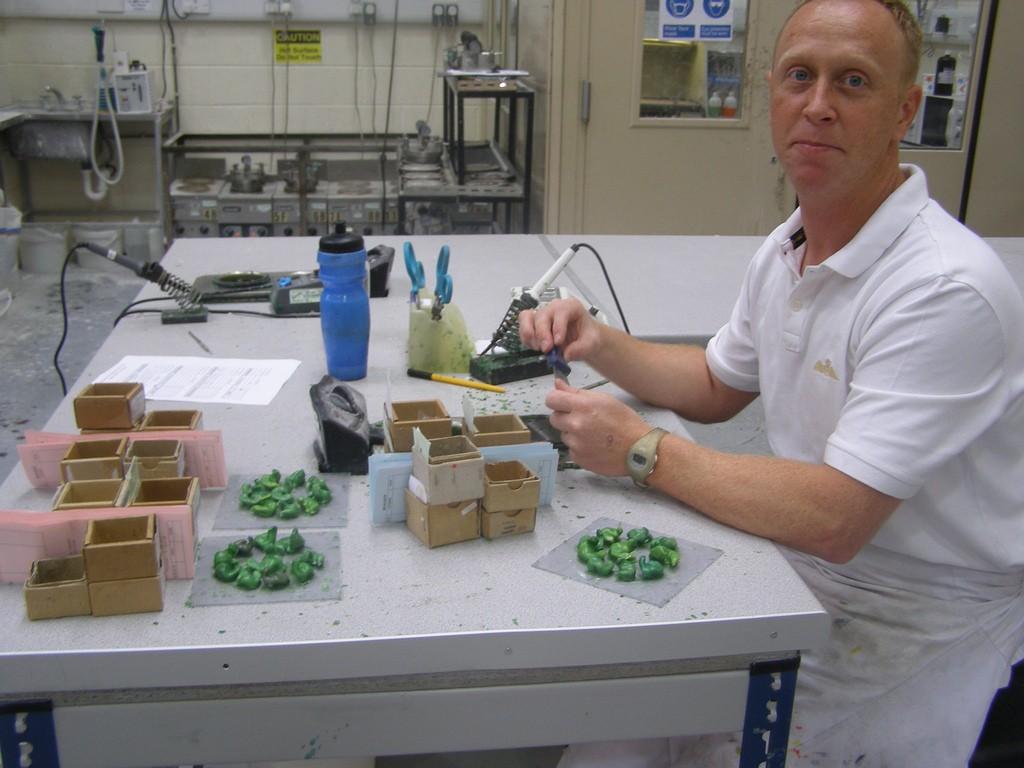
The products are custom molded to an individual’s ear canal to completely eliminate external sounds, and they’re formed in 3D printed hard acrylic. The earplugs feature tiny, built-in acoustic filters which take into account the natural response of the ear.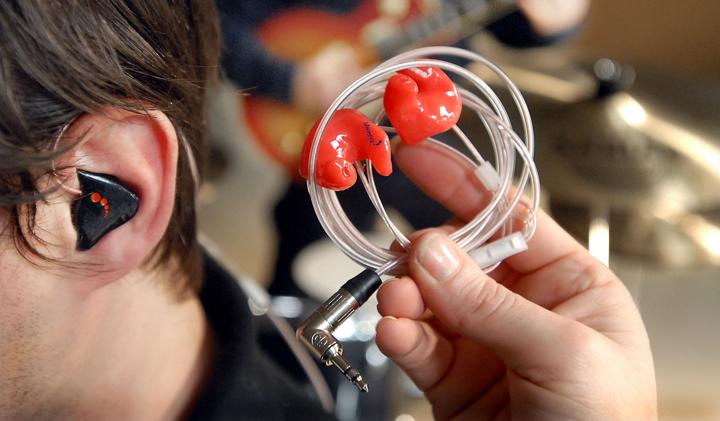
“With Formula cars producing volumes over 100dB under race conditions, multiplied many times over in a busy Grand Prix pit lane, the need for hearing protection as well as safe communication are paramount,” Davies says. “We have been working with the majority of Formula 1 teams over the past three years, and we are really proud to be part of a world that demands the highest standards of engineering technology.”
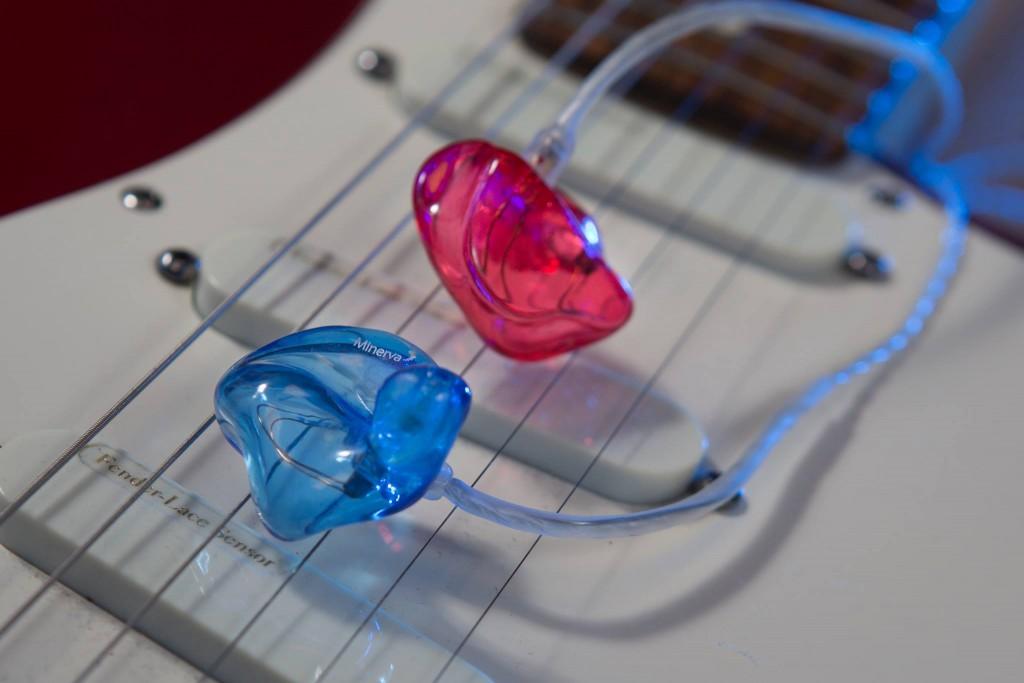
The devices are made from a soft, medically-approved silicone, and they can also be made from a firmer acrylic material which can be plated in silver, gold, or titanium.
The production process begins with a technician making an impression of a client’s outer ear canal, and then pouring in liquid silicon. The resulting molds are then digitized for input into a 3D printer, and the company says it produces more than 4,000 ear pieces per week. Davies says 3D printing technology has advanced well beyond simply the ability to produce prototypes.
 The company has produced more than one million 3D printed products at their Cardiff manufacturing center. Minerva was one of the first companies to embrace additive manufacturing as a commercial proposition, and Davies says they acquired their first 3D printer in 2004 “at a cost in excess of $150,000.” They also received MHRA approval for medical-grade resin they use to 3D manufacture the ear-pieces.
“Having been one of the first UK producers to take the plunge and switched over entirely to this form of additive manufacturing, we believe we have proven the case for 3D printing as a serious manufacturing process,” Davies says. “It has well and truly arrived as a cost-effective and efficient production technology that brings us many advantages, and has truly stepped out of its technological novelty phase of recent years. We will continue to invest in new and improved 3D systems ensuring our products stay at the leading edge of our field.”
Davies says 3D printing technology has also helped Minerva produce over 8,000 variations of color and materials, and he adds that in-ear monitors and ear plugs are now laser-printed with logos, names, or images according to a customer’s preference.
Do you know of any other companies who use 3D printing to create the final, production version of their products? Let us know in the 3D Printing Noise Cancelling Earpiece forum thread on 3DPB.com.
Subscribe to Our Email Newsletter
Stay up-to-date on all the latest news from the 3D printing industry and receive information and offers from third party vendors.
Print Services
Upload your 3D Models and get them printed quickly and efficiently.











You May Also Like
3D Printing Financials: Velo3D Sees Rising Demand and Defense Growth, but Losses Persist
Velo3D (Nasdaq: VELO) is moving further into production-focused 3D printing, with growing demand from defense and aerospace customers shaping its strategy. The company is shifting beyond selling machines toward producing...
At RAPID + TCT 2026, Executive Keynotes Break Down What’s Next for AM
While AI is expected to be a major focus at RAPID + TCT 2026, the event is also putting the spotlight on something just as important: leadership. This year’s Executive...
Sintavia Taps NVIDIA Blackwell for AI-Driven Additive Manufacturing Pipeline
Investors have become increasingly anxious about the sustainability of NVIDIA‘s growth trajectory, which is a rather natural outcome when a stock goes up infinity percent or so over the course...
3D Printing Moves Deeper Into Production as Parts Near $110B by 2034
A new report takes a closer look at how much 3D printing is actually being used in real production. The numbers point to a market that is already growing at...