Stratasys Introduces New Support Material That Promises to Make Post-Processing a Breeze

 People who have never 3D printed anything before sometimes think that once the printer stops printing, the job is finished. Sadly, this is not the case, as any maker with a degree of experience will know. Once the model finishes printing, the real work starts. Removing the print from the build platform can be an adventure in itself, sometimes requiring razors, scrapers and a good deal of energy. Then the cleaning and finishing process begins. Sanding, coating, painting – depending on what you’ve printed and how you intend to use it, the process can involve a lot of time, effort and additional tools and materials. If you’re using support materials for your print, the post-print work can double; those stubborn supports can be a bear to remove cleanly.
 Thankfully, new materials and tools continue to develop for the purpose of making post-print work easier and quicker. If you missed it, check out Fleks3D’s easy-removal build plates which eliminate a lot of the risk and effort involved in removing a print from the build platform.
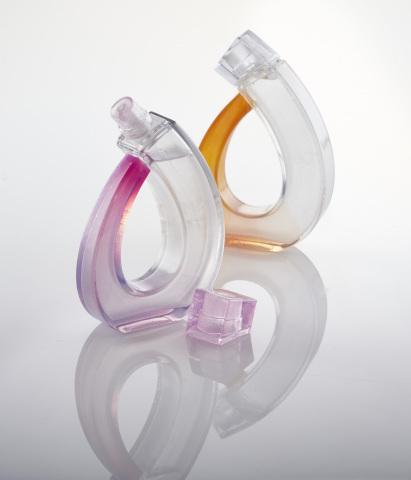
Now Stratasys is introducing a new, hands-free soluble support material that promises to make the cleaning and processing of 3D printed models, in particular those requiring support materials, fast and easy. SUP706 was developed for PolyJet triple-jetting 3D printers such as the Objet 260 and Objet 350/500 series. It reduces post-printing processing down to a two-step, automated soak and rinse process. This is great news for all users of PolyJet printers, but it’s especially exciting for businesses, who can lose crucial time and productivity through difficult, time consuming post-printing work.
“The development of SUP706 provides a great combination of advantages for 3D printing users,” said David Tulipman, director of product management for PolyJet consumables at Stratasys. “Owners of PolyJet-based 3D printers can now print small, intricate features with greater reassurance, and clean several parts at once, enabling high volume 3D printing that’s both cost-effective and hassle-free.”
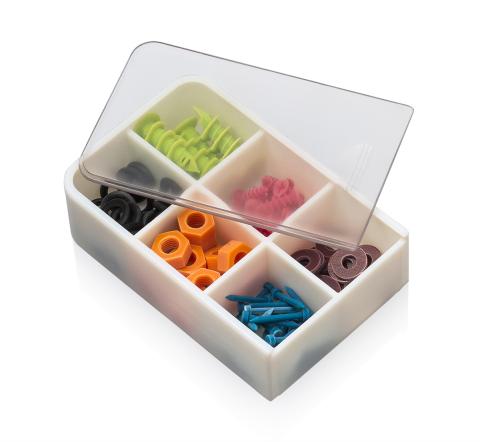 According to Stratasys, SUP706 is optimal for fast paced, high production environments such as service bureaus and internal prototyping shops. The quick and easy support material removal process eliminates a lot of the time and manpower ordinarily needed, boosting production and enabling a greater amount of product to be churned out in less time.
SUP706 is available as a software update on all Stratasys PolyJet Triple-Jetting 3D Printers, and is compatible with all PolyJet materials, with the exception of hearing aid material. So, PolyJet users, stop worrying about the extra work involved in your more complex print jobs. The next time you print something requiring a lot of support, rest assured that Stratasys is there to support you.
Have you had an opportunity to get your hands on this new material? What did you think? Let us know in the SUP706 forum thread on 3DPB.com.
Subscribe to Our Email Newsletter
Stay up-to-date on all the latest news from the 3D printing industry and receive information and offers from third party vendors.
Print Services
Upload your 3D Models and get them printed quickly and efficiently.











You May Also Like
Post-Printing at RAPID 2026: PostProcess Technologies & Mass Finishing
The whole 3D printing workflow was on display in Boston at RAPID+TCT last week, from design software and 3D printing hardware all the way to post-processing and finishing solutions. For...
RAPID Roundup 2026: New Machines and Market Moves
RAPID + TCT 2026 wrapped up yesterday, but the show floor proved there’s a lot happening across the additive manufacturing (AM) space, especially when it comes to new hardware and...
trinckle’s Tool Design Software Lands in Stratasys GrabCAD Print
I’m a fan of trinckle, the German startup that offers super easy-to-use tools for creating customized jigs, fixtures, and other 3D printed products. With trinckle, it’s not just designers who...
Farsoon’s Fine Laser Spot 3D Printing Gives China a Thermal Management Edge
Metal additive manufacturing (AM) systems generally utilize lasers with spot sizes that fall into a range of 80 micrometers (μm) to 100μm, although dynamic beam shaping may soon lead to...