TECHART Releases GTsteet R Flyweight with Weight-saving 3D Printed Seat Pads

TECHART, a premium international brand for high-quality custom Porsche vehicles, recently revealed its new GTstreet R Flyweight based on the Porsche 911 Turbo S. This car becomes the lightest division TECHART offers and meets the demands of the race circuit enthusiast while also remaining extremely drivable on city streets. The GTstreet R Flyweight boasts a ton of weight-saving features from added carbon fiber panels, to the removal of the back seats, and yes, even 3D printed seat pads.
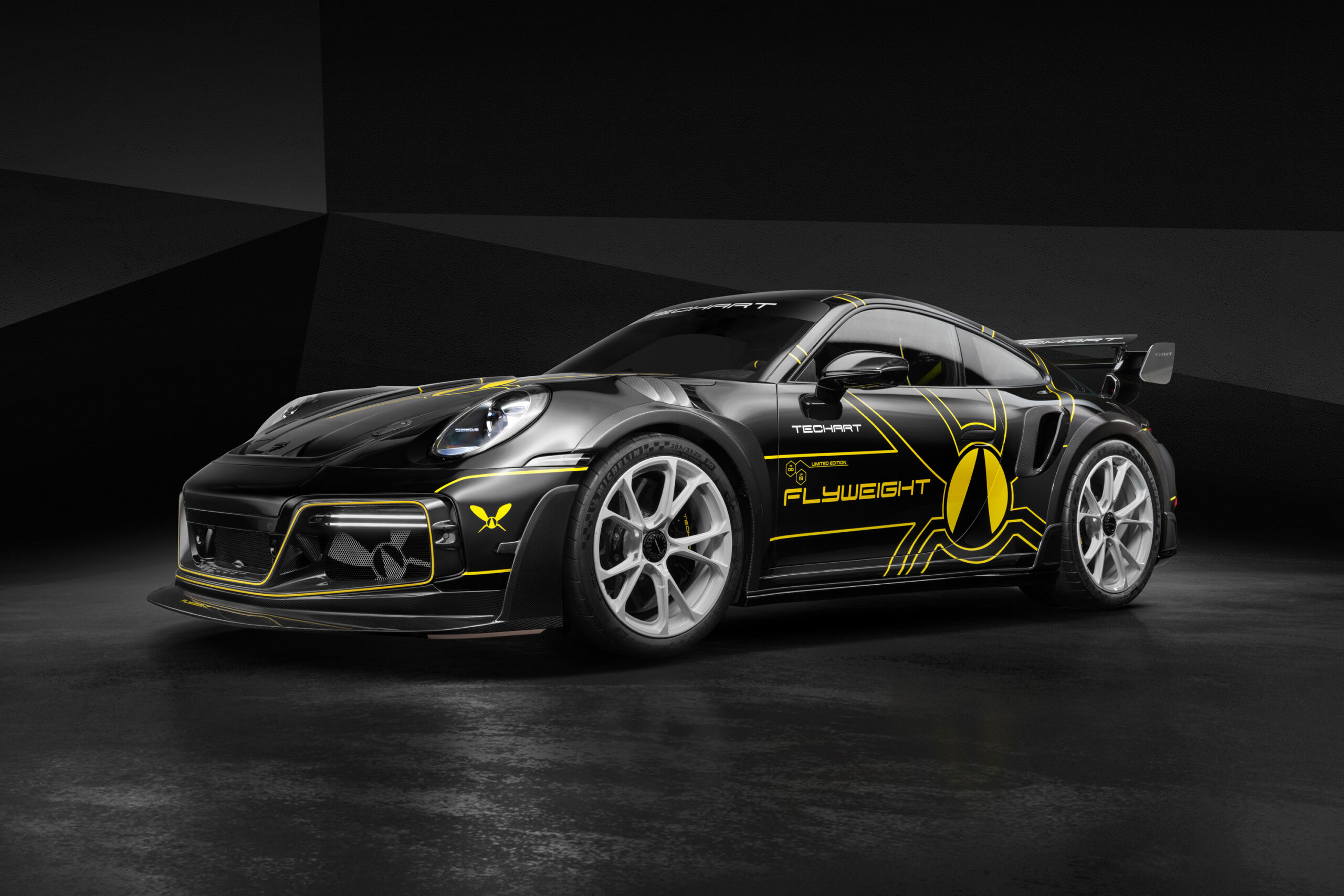
TECHART’s GTstreet R Flyweight car based on the Porsche 911 Turbo S. (Source: TECHART)
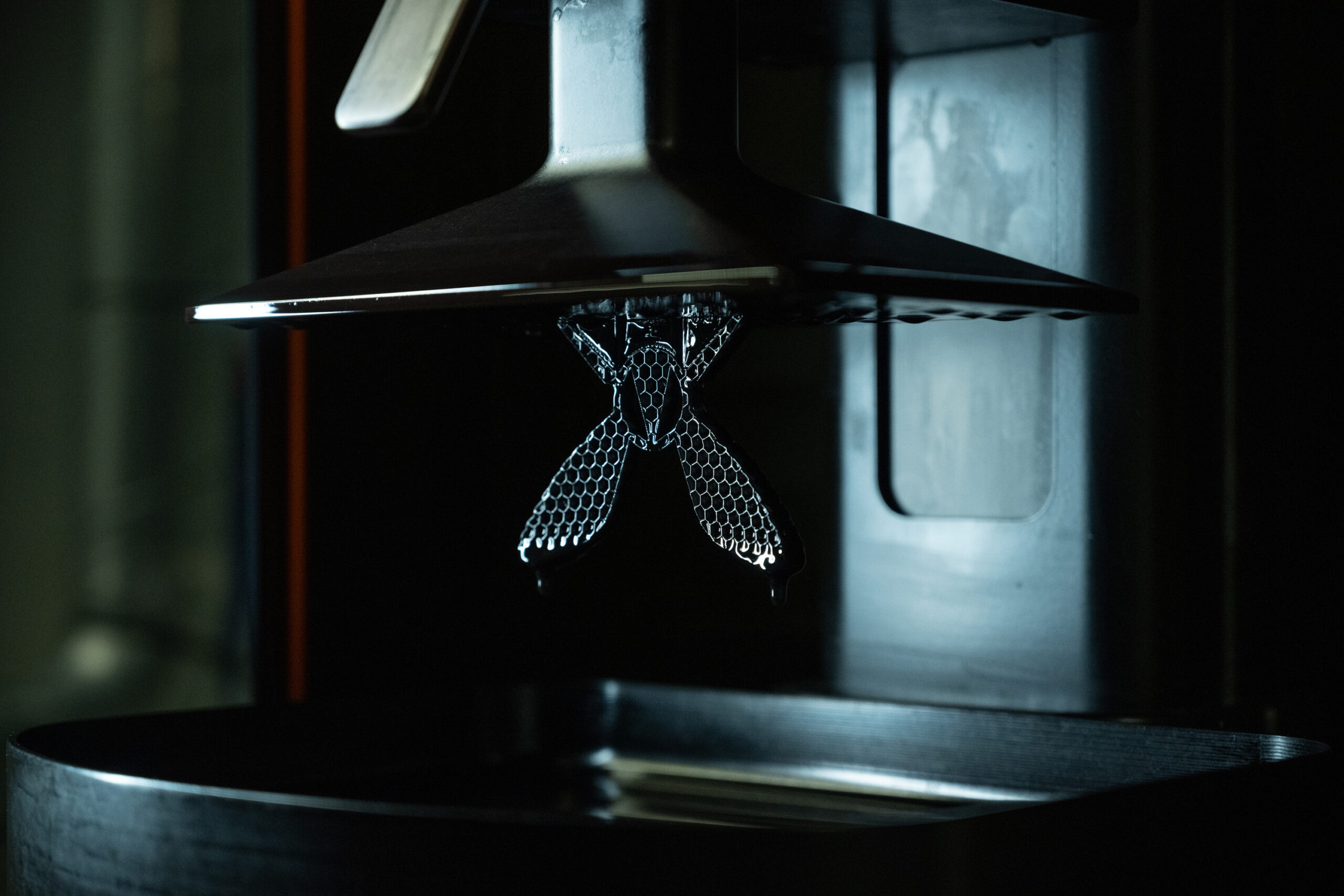
A picture of a 3D printed GTstreet R Flyweight logo. (Source: TECHART)
First revealed at the 2023 Bangkok International Motor Show, TECHART’s new GTstreet R Flyweight follows up on the company’s previously successful GTstreet R program. Its first GTstreet R quickly sold-out of the 87 copies, capped at 87 for TECHART’s founding year of 1987. The company limited this release too, only planning to sell 19 editions of the GTstreet R Flyweight. This finishes out the firm’s founding year and makes this car extremely exclusive in the motor world.
TECHART drew inspiration for its “Flyweight” concept from the Flyweight boxing division. The company wanted a vehicle that was not only light and agile, but also packed a punch. The result was a car that is 60 kilograms (~132 lbs) lighter and houses 800 horsepower in its trunk.
To remove that much weight from the previous iteration, the engineers searched for anything and everything they could replace with lighter components. The front hood, tailgate panel, and rear wing have been switched with carbon fiber parts, the windows have been substituted with lightweight polycarbonate, and even the locks have been swapped out for light weight fasteners.
But that only accounts for the outside. Inside, TECHART completely removed the back seats to save a few kilograms and made the front seats as light as possible. The company partnered with RECARO Automotive, an automotive seating specialist, to create the light-weight seat shells for the Flyweight and OECHSLER, a German manufacturer increasingly making use of additive manufacturing, to create the 3D printed seat pads. The seat shells come in around 4.9 kilograms and, with the 3D printed cushions, they weigh below the standard 11.5-12.8 kg of a typical driver seat. The 3D printed pads also have the added benefit of better ventilation, dampening, and can be customized to a driver’s preferences.
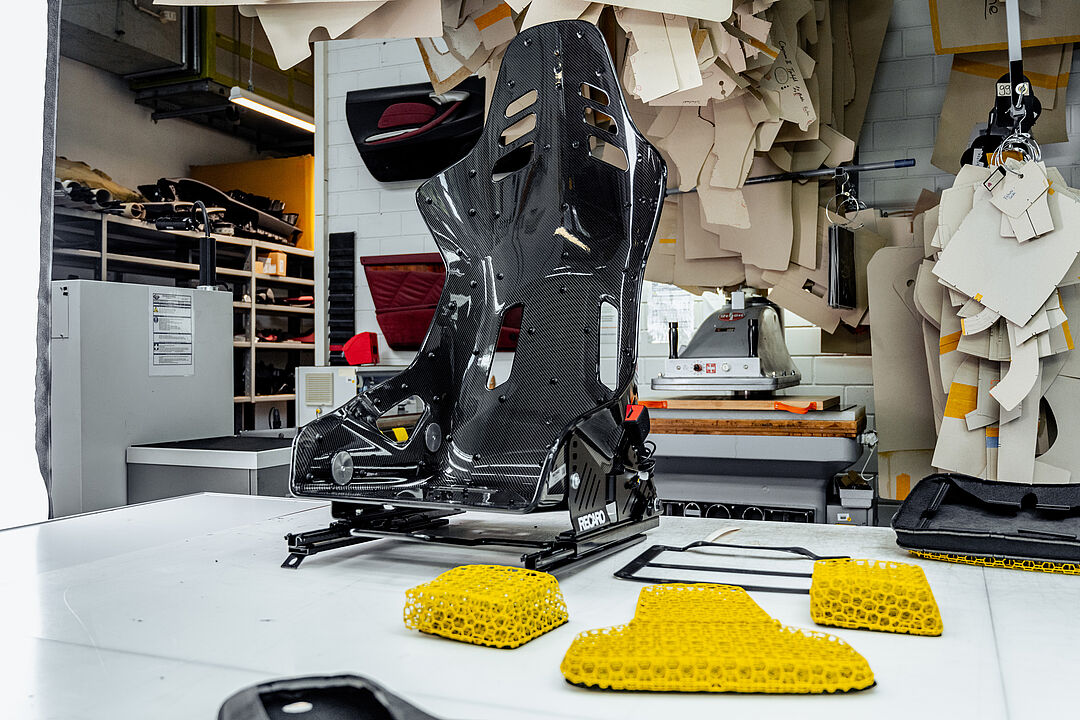
A picture of the shell made by RECARO Automotive with the 3D printed seat pads made by OECHSLER in yellow. (Source: TECHART)
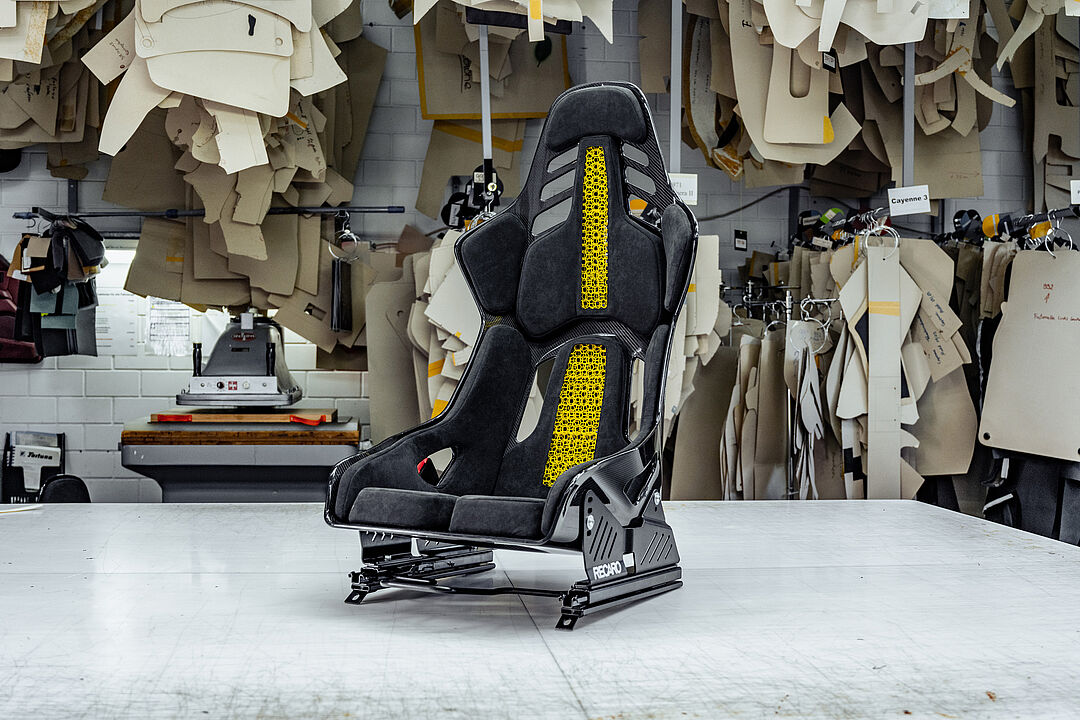
A picture of the fully constructed seat for the GTstreet R Flyweight car. (Source: TECHART)
With all those kilograms saved, TECHART’s GTstreet R Flyweight performs phenomenally on track. With the TECHART Powerkit TA092/T2.1, the car is able to reach 100 kmh (~62 mph) in 2.5 seconds, and 200 kmh (~124 mph) in 7.5 seconds. It has a top speed of 350 kmh (~217 mph) which is almost the exact speed of the fastest F1 car in 2022 driven by HAAS’s Kevin Magnussen who reached 351.7 kmh.
If you are interested in getting this car yourself, hurry because there are only 19 units available. It will cost you a pretty penny, but you are getting a high-quality, handmade, custom car that you can take to the track whenever.
Subscribe to Our Email Newsletter
Stay up-to-date on all the latest news from the 3D printing industry and receive information and offers from third party vendors.
Print Services
Upload your 3D Models and get them printed quickly and efficiently.












You May Also Like
The Hidden Cost of Lost Engineering Intent
Recent reporting on the UPS MD-11 engine separation on Flight 2976 has understandably focused on the immediate question: what happened? The investigation will determine that, as it should. Serious engineering...
3D Printing News Briefs, May 28, 2026: Continuous Fiber Reinforcement, Bioprinted Trachea, & More
In today’s 3D Printing News Briefs, America Makes announced the winners of its JAQS-SQ Project Call. Axtra3D is partnering with Keystone Industries to expand its dental material ecosystem, while BigRep...
Stratasys Acquires Markforged, Analysis of AM’s Latest Consolidation Move
A very long time ago, in 2023, the additive manufacturing (AM) industry was enraptured over the attempts by a large chunk of its publicly traded original equipment manufacturers (OEMs) to...
Why Additive Manufacturing Has Finally Earned Its Place on the Production Line
For years, the conversation around additive manufacturing followed a predictable script. Engineers would acknowledge its usefulness for prototyping – faster iterations, cheaper design validation, no tooling to worry about –...