ASTM to Offer Certification Program for Metal 3D Printer Operators


Knowledgeable and experienced 3D printing operations people are in short supply. There were very few sites doing any kind of 3D printing at scale ten years ago. People well-versed in machine operations, management of printers, or manufacturing to specifications are rare and prized. To let the market grow, we need more people.
ASTM International is taking a step to help by offering the ¨Powder Bed Fusion – Laser Beam (PBF-LB) Machine Operator Certification program.” Pursuant to its ISO/ASTM 52942:2020 standard for qualifying LPBF machines, ASTM now offers theory and practical tests leading to the certification. Participants go through the Additive Manufacturing Procedure Specification (lists of relevant variables that should be controlled), standard operating procedures, machine management and build process monitoring, post processing, maintenance and materials. The program was codeveloped with EOS and is based on its M290 metal LPBF system.
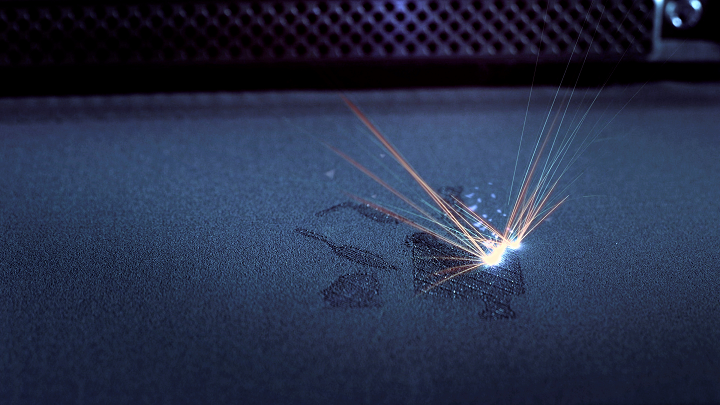
Image courtesy of EOS.
“To successfully leverage AM technologies, we must pair those who are trained, and ASTM certified, for effective, efficient, and competent machine operations. EOS is proud to serve as the first AM equipment manufacturer to offer this personnel certification program. With ASTM, we are beginning to fill the need starting with the EOS M 290, but plan to expand certifications to cover all our metal and polymer platforms, and all material families,” said Dr. Gregory Hayes, Senior Vice President, Applied Technology at EOS North America.
Of course, it’s nice to be the standard and, in entry level systems, EOS has been the de facto standard, especially in North America for years now. It’s obvious that the firm wishes to leverage this effort into further trainings based on other systems, where EOS dominance is not so assured.
“Certification programs reinforce the use of standards and build trust and confidence in the use of AM technologies. This program is one of the first steps to fulfilling industry personnel certification needs and we look forward to quickly expanding to other machine vendor platforms. Together with key industry stakeholders, we can support reliable and competent use of the technology,” Mohsen Seifi, Ph.D., ASTM International’s director of global additive manufacturing programs, stated.
Subscribe to Our Email Newsletter
Stay up-to-date on all the latest news from the 3D printing industry and receive information and offers from third party vendors.
Print Services
Upload your 3D Models and get them printed quickly and efficiently.













You May Also Like
Apple Opens New US Advanced Manufacturing Center for Second Year in a Row
The US added 5,000 manufacturing jobs in July, although in its article on the subject, Wall Street Journal notes that there are still (slightly) fewer manufacturing workers in the US...
Kupros Launches Cu29 V2, Announces Process for Embedded Electronics from Desktop FFF & FDM
In addition to its more traditional uses, the centrality of copper to an unusually large number of high-growth industries has led more than a few observers to argue that it...
DEVCOM Armaments Center Demonstrates Remote 3D Printing of Electronics at Valiant Shield 2026
The US Army’s DEVCOM Armaments Center, headquartered at Picatinny Arsenal in New Jersey, has become one of the US military’s most important hubs for drone R&D. At the recent Valiant...
Polish Electronics 3D Printing OEM XTPL Sells 10 More Printhead Modules to First Chinese Customer
Smartphones, laptops, and all other such devices are only getting more expensive. As evidenced by Apple’s cautioning of higher prices for this year’s new iPhone line, the problem is largely...