WASP BigDelta Gets Ready to 3D Print an Entire Italian Village


 Everyone likes to fantasize about a utopia, where everyone gets along, everyone is happy, and there is no war, injustice or suffering. Most religions teach the concept of some sort of ultimate utopia — heaven in the Judeo-Christian tradition, or, in Hinduism and Tibetan Buddhism, there’s Shambhala. The hidden kingdom is said to be a place of peace, and its name has been used for countless yoga studios, meditation centers, and retreats all over the world. Now it’s been taken as the name for an entire village. While this Shambhala, which will eventually be constructed in the center of Massa Lombarda, Italy, may not be an actual paradise, it’s certainly going to be unique in that it will be fully sustainable, self-sufficient – and entirely 3D printed.
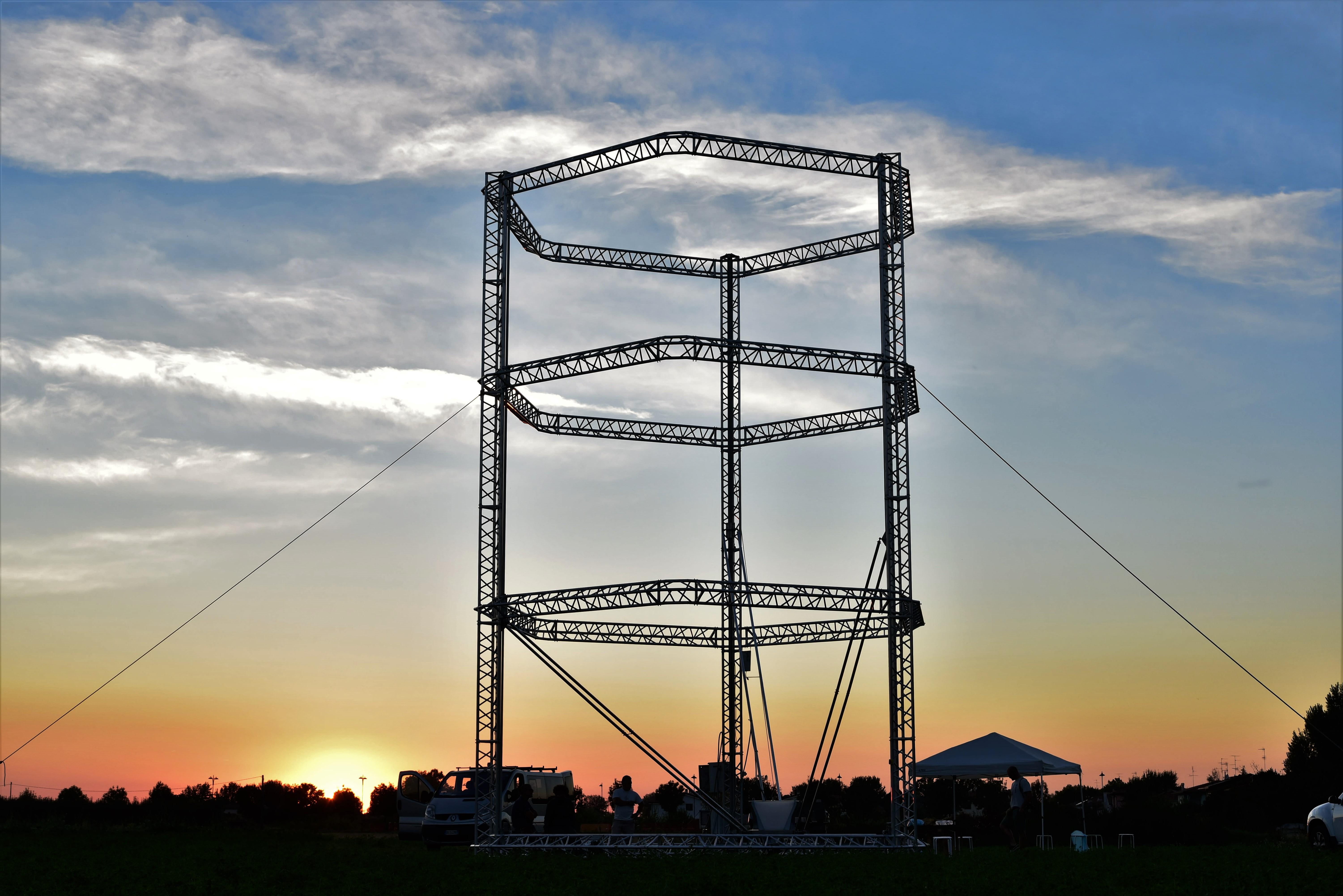
Back in September, we reported on the world’s largest delta-style 3D printer. The appropriately named BigDelta is twelve meters tall, and when it was unveiled by Italian company WASP in Massa Lombarda, it was introduced as a potential means for 3D printing entire houses out of clay found in local soils. The idea is an incredible one, and no one can be blamed for being a bit hesitant to believe it will work, but WASP and the municipality of Massa Lombarda are getting set to prove it with the construction of their 3D printed village. BigDelta will be the center of Shambhala, which will be built in Massa Lombarda’s industrial district. Shambhala will be a high-tech, eco-friendly village with low energy consumption, a village whose inhabitants will be fully self-sufficient without reliance on outside corporations. The agreement to forge ahead with the project was signed yesterday by WASP owner Massimo Moretti and Massa Lombarda mayor Daniele Bassi.
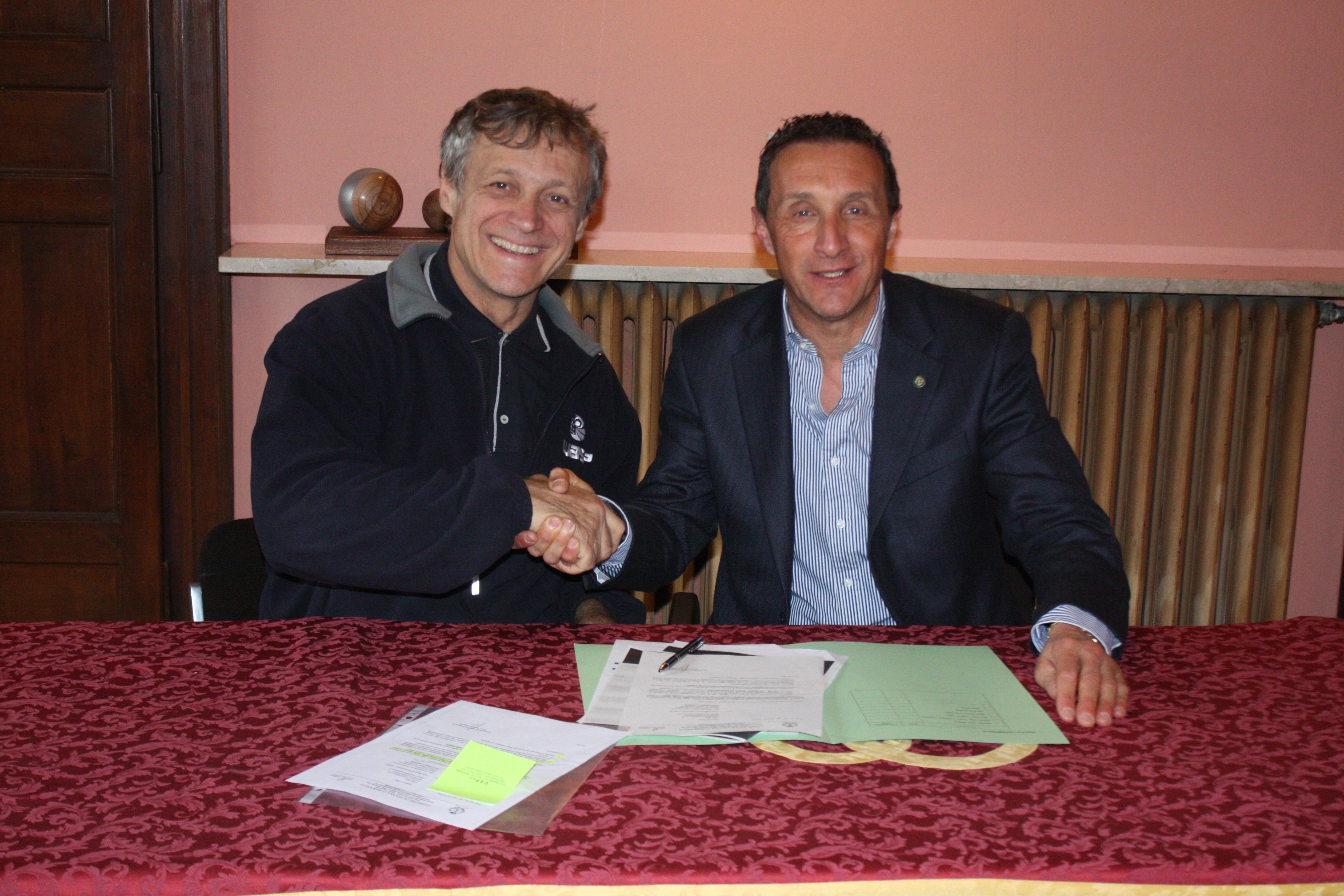
“Massa Lombarda has always been a district interested in innovation, said Bassi. “The important agreement we signed today proves that the cohesion of energy, allegiance and creativity between the Municipality and a capable Entreprenuer like Massimo Moretti, it’s a crucial element of development for our city and the youth who we want to guarantee an adequate future commensurate to their hope.”
 One of WASP’s fundamental ideas is that of a “Maker Economy,” in which everything is self-made and people collaborate with each other to develop solutions rather than depending on corporations. The economic model is designed particularly for the sake of the world’s poorest areas, but it’s a model that looks very appealing to everyone who’s grown weary of monopolies, mass production and corporate corruption.
“We decided to name the technological village Shambalha from the name of the mythological place that symbolizes the city of peace, tranquility and happiness. A city quoted in a lot of cultural documents for its spirituality and technical advance,” said Moretti. “House, Food, Employment, Healthcare and Wellness are the basic human necessities of life. In our Shambalha we’ll print houses and vertical vegetable gardens of different sizes. There will also be a laboratory for compact desktop printer to make objects (fornitures, biomedical, jewellery, ceramics). Thanks to the collaboration with some artists we are developping a cultural project.”
Construction on Shambhala is set to begin next April. The agreement signed between Moretti and Bassi is good for three years and is renewable. BigDelta, which has been inactive during the winter months, is set to get back to work in its new permanent location – which, if all goes according to plan, will soon be a historic one. Do you think this trend will spread to other areas too? Discuss in the WASP BigDelta 3D Printer forum over at 3DPB.com.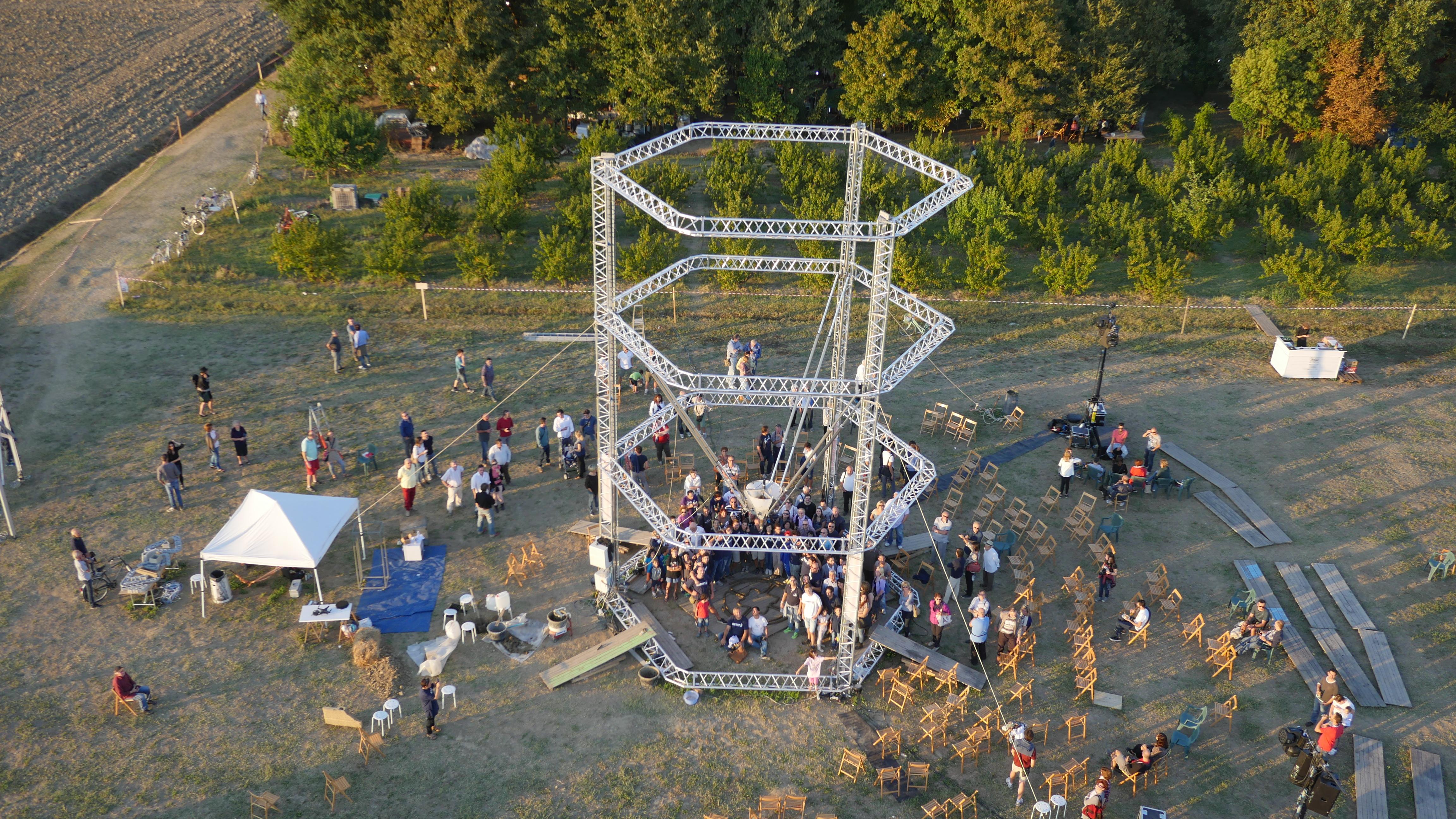
Subscribe to Our Email Newsletter
Stay up-to-date on all the latest news from the 3D printing industry and receive information and offers from third party vendors.
Print Services
Upload your 3D Models and get them printed quickly and efficiently.













You May Also Like
Metal 3D Printers for the Desktop Are Finally Starting to Feel Like Desktop Products
FDM 3D printing is becoming increasingly accessible, yet metal 3D printers designed for everyday desktop use remain rare on an ordinary workbench. The real challenge is not making a metal...
What 3D2GO Says About 3D Printing’s Growth in Southeast Asia
The Philippines offers an interesting case study in how 3D printing can develop in Southeast Asia, and Manila-based 3D2GO helps illustrate it. 3D printing in Southeast Asia doesn’t have to...
The Frankenservice Part 2: Have Your Cake and Eat it Too
This series of articles delves into a thought experiment. What if we let go of using a few machines very optimally, but instead use lots of different machines to meet...
Silencer Market Set to Test Metal Additive’s Readiness for Production Prime Time With Enormous Market Expansion
Throughout the history of additive manufacturing (AM) technologies, there are only a couple of really interesting case studies in which we see a market significantly disrupted and revolutionized by AM....