
The rising demand for and technical maturity of metal additive manufacturing (AM) has been so striking that it’s easy to forget that the catalysts for polymer AM are still just as strong. One major catalyst is the simple fact that plastic resin prices remain so elevated.
Additionally, the types of consumer applications that support growth in polymer AM are becoming more mainstream, especially those that involve some element of customization at scale. Back in January, Joris Peels wrote a great post about the boom in low-cost print farms, an effect of which has been that the average consumer is becoming far more familiar with 3D printed products.
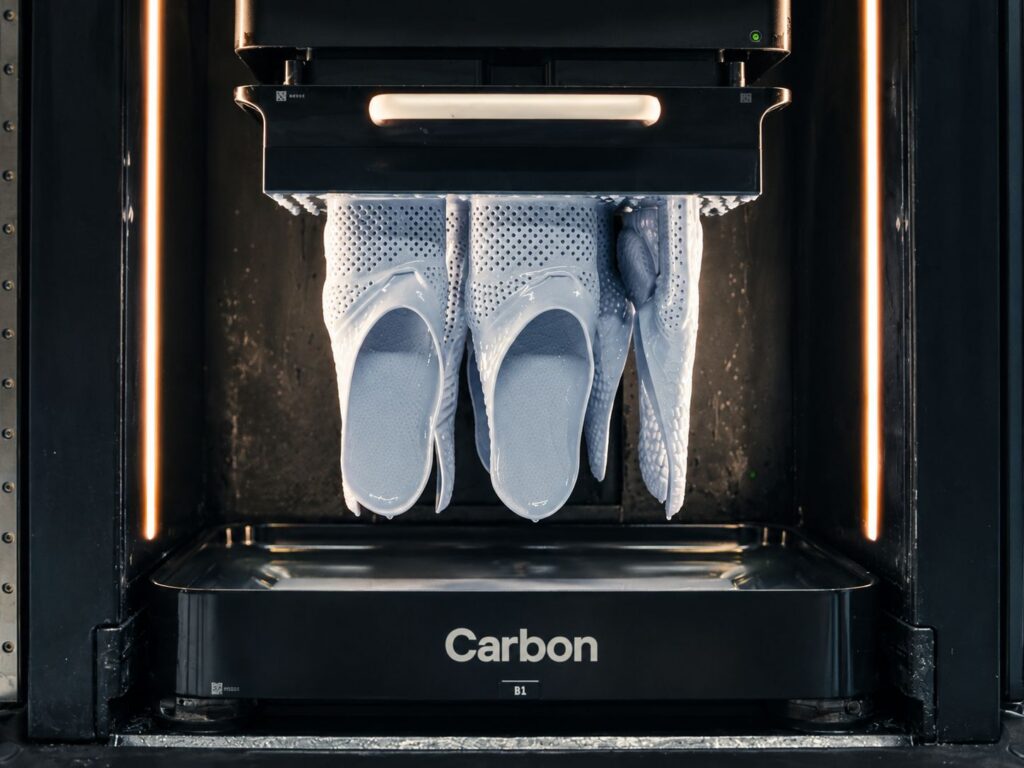
Meanwhile, AM industry leaders as well as diversified conglomerates with footholds in the market are also figuring out how to leverage their offerings to benefit from the direct-to-consumer (DTC) opportunity. Vivobarefoot, which sells its products through both DTC and traditional retail channels, announced a collaboration with Carbon earlier this year surrounding the barefoot VivoBiome Tabi Gen 02 sandal. The sandal taps into the popular market for on-demand, ‘scan-to-print’ footwear enabled by 3D design and AM.
Now, Arkema, the multinational chemicals giant, which has had a presence in the AM market for over a decade, has announced that it’s supplying materials used for the Tabi Gen 02, serving to highlight Arkema’s longtime partnership with Carbon. Arkema’s 3D printing approach prioritizes circular economics. That’s in alignment with the parent corporation’s commitment to lowering its ecological impact, and it also no doubt helped attract a customer like Vivobarefoot, which is both genuinely aiming to deliver circularity while simultaneously being refreshingly honest about how difficult it is to make footwear that is actually ‘sustainable’.
From another perspective, owing to the aforementioned context of rising plastic resin prices and a less certain supply outlook, polymer recycling is becoming all the more essential even without taking sustainability into consideration. This makes Arkema’s marketing effort quite savvy and timely, particularly given how Carbon views its value proposition for prospective customers, which I most recently discussed in this post about Carbon’s million bike saddle milestone.

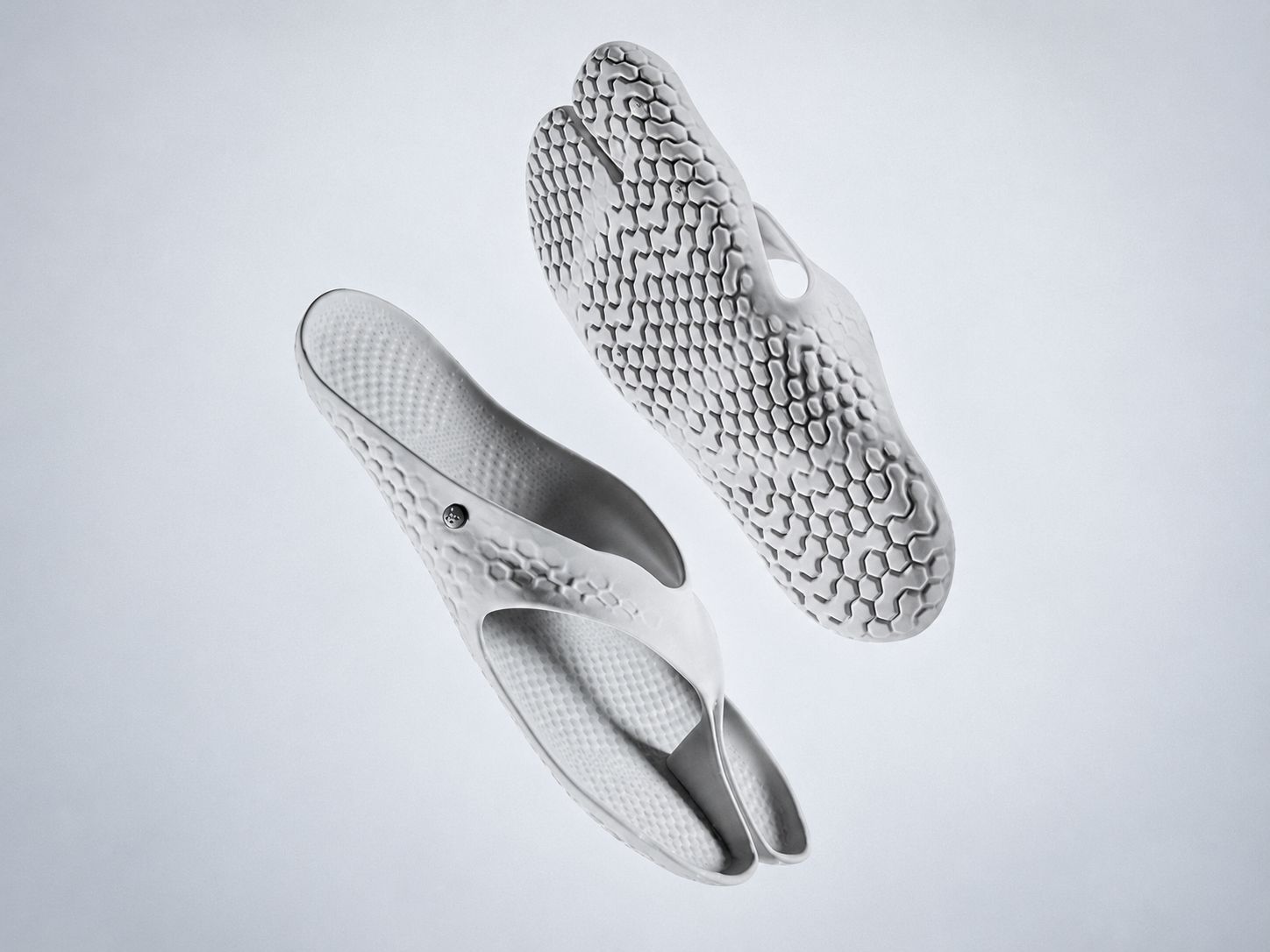
Vivobiome Tabi Gen 2
The elastomeric resins from Arkema fit into what Carbon CEO Phil DeSimone says is one of three pillars of the company’s business model: foam replacement. So, concerning a bike saddle from Specialized that’s been printed on a Carbon platform, Carbon didn’t start out by seeking to print bike saddles, but by searching for good opportunities to replace legacy foam production techniques with AM.
This takes what works in the software approach to sales — starting from the perspective of the customer and letting that drive product development — and applies it to hardware and physical goods. That partnership between Carbon and its own customers only works, though, because Carbon also has a partnership with Arkema, which has the organizational capacity on the materials side to support what Carbon delivers with its machines.
This becomes all the more important in an environment where it can no longer be taken for granted that plastic resins are abundant and cheap. In the context of metals, I pointed out in a post from last month that relationships between AM service providers and materials suppliers should gain significance because of rising demand hitting a wall of tighter supply, and this may turn out to be just as true about polymer AM. It’s not necessarily that businesses won’t be able to source the materials, but rather that prices will rise to the point where consumer demand growth stagnates and innovation gets stifled.
Carbon, of course, isn’t a service provider; however, it does share enough similarities with how service providers operate for the same dynamic to be applicable. If plastic resins keep getting more expensive, Arkema won’t be immune to the demand challenges I just mentioned, but it operates at a scale that helps it develop solutions.
Images courtesy of Arkema