
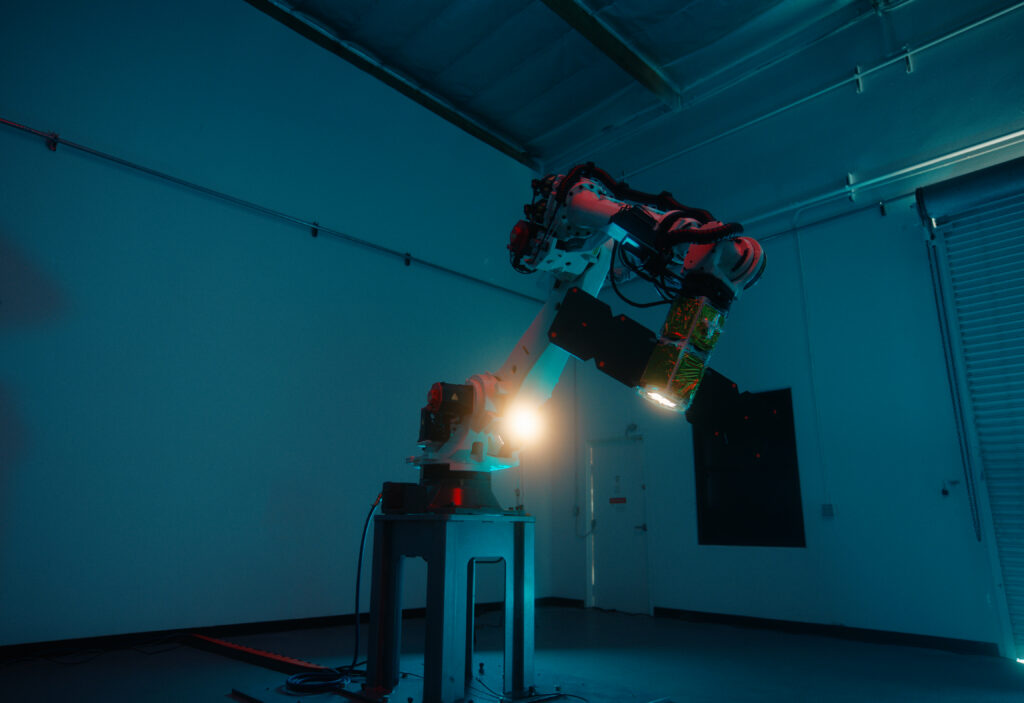
Demand for satellites continues to grow, and manufacturers are looking for ways to build spacecraft faster without affecting performance. One way to do that is to involve manufacturing companies earlier in the design process.
Fortastra, a California company developing spacecraft for national security and commercial missions, has signed a memorandum of understanding (MOU) with advanced manufacturing company Hadrian to explore how additive manufacturing (AM), precision machining, and other production technologies can be integrated into future satellite programs.

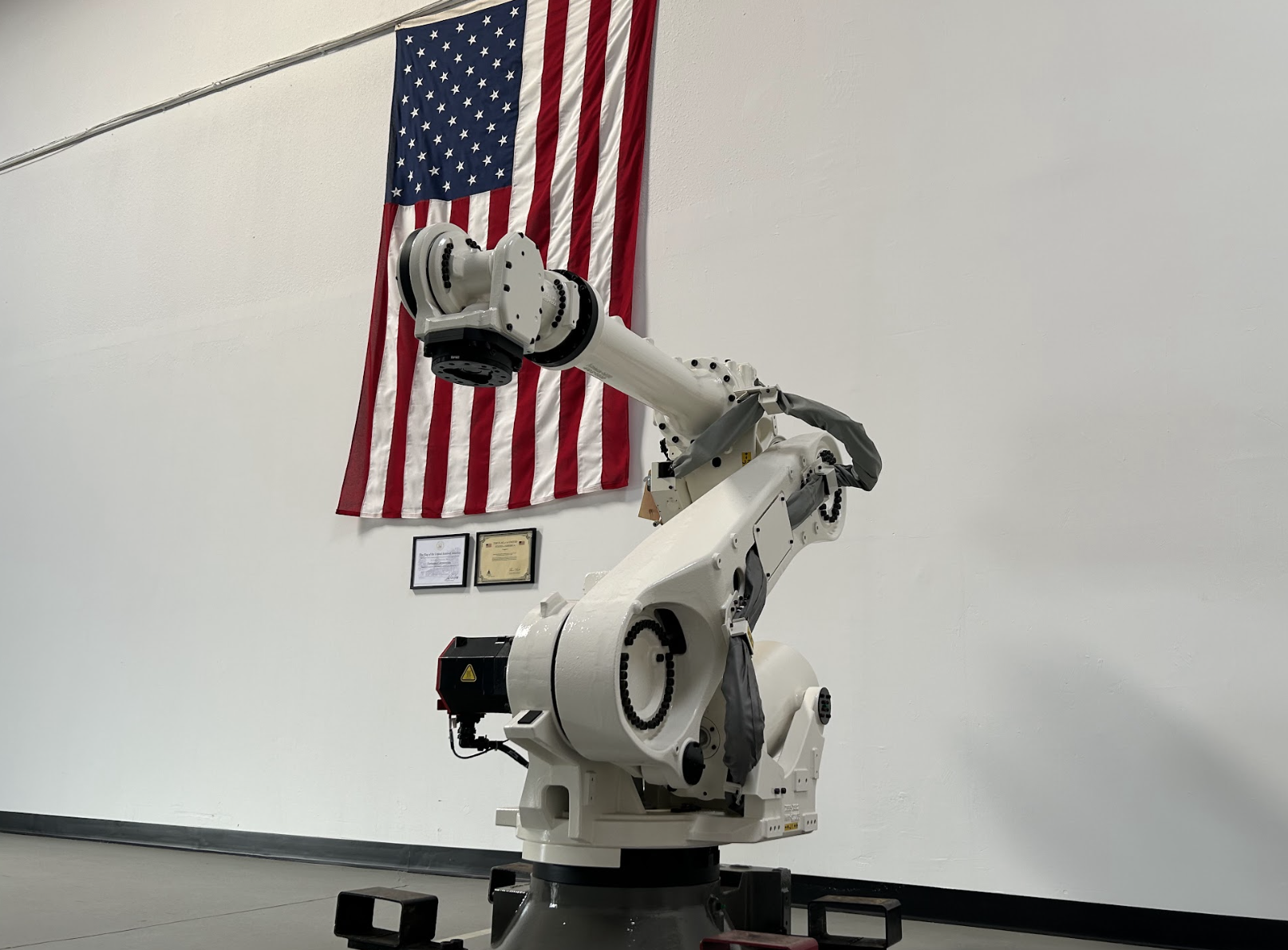
Fortastra’s ground test rig. Image: Fortastra. Image courtesy of Fortastra.
Rather than serving only as a supplier, Hadrian will work along with Fortastra’s engineering teams during spacecraft development. The companies say the collaboration will focus on improving manufacturability, shortening production timelines, and evaluating new manufacturing methods for satellite structures and components.
The partnership comes as satellite makers work to build more spacecraft in less time. As demand for satellites grows, manufacturers are looking for ways to speed up production while keeping costs under control. Technologies such as AM are attracting more attention because they can simplify production and reduce the time needed to make complex parts.
As part of the agreement, Hadrian will support manufacturing, while Fortastra will contribute its expertise in designing and qualifying spacecraft hardware. The goal is to build satellites more efficiently and explore ways to reduce costs and weight.
In addition, the companies will evaluate a range of manufacturing technologies, including metal and polymer 3D printing, direct energy deposition, binder jetting, precision CNC machining, electrical discharge machining (EDM), laser cutting, cold spray, friction stir welding, and composite manufacturing. The goal is to determine where these processes can improve Fortastra’s satellite bus platforms.

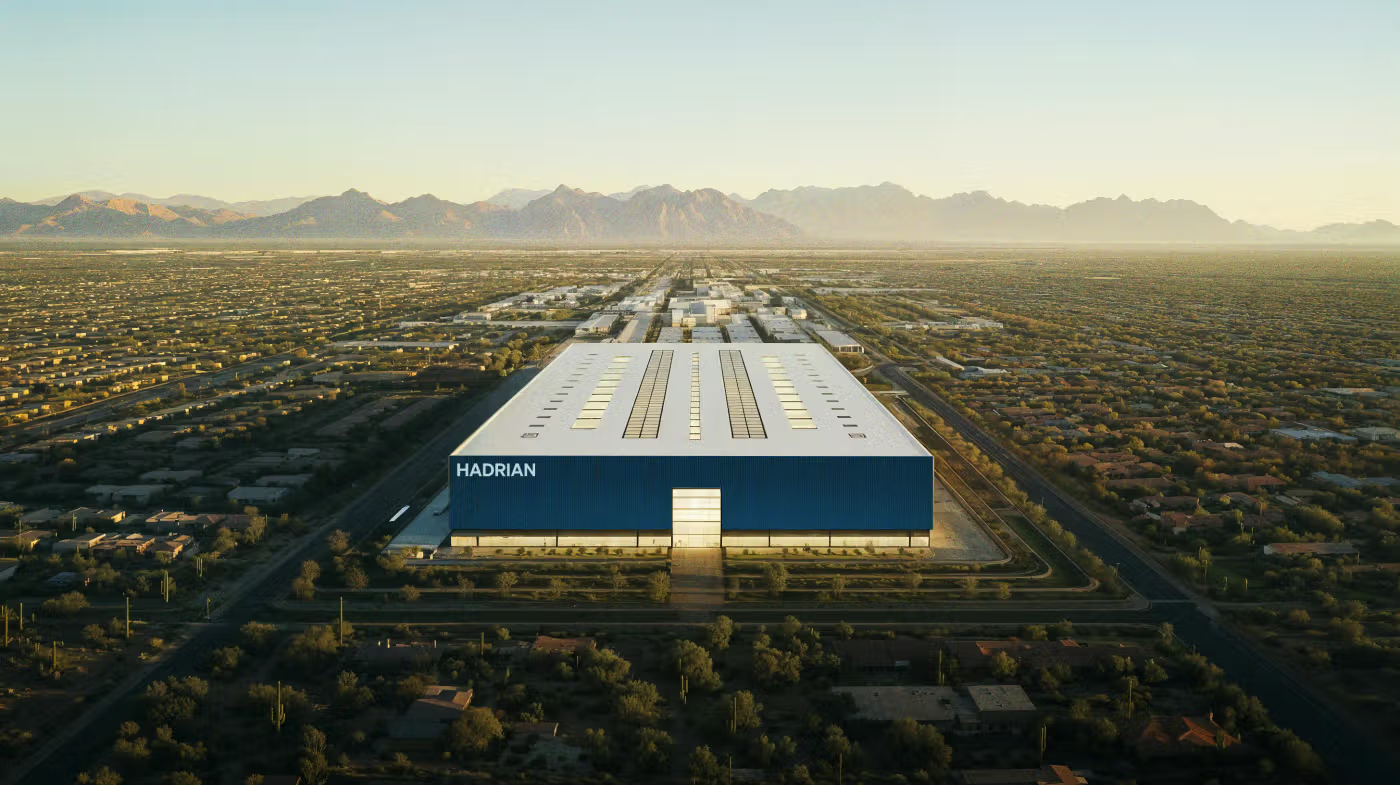
Rendering of Hadrian’s F3 facility in Mesa, Arizona. Image courtesy of Hadrian.
While 3D printing is a key part of the collaboration, the agreement covers a much broader range of manufacturing technologies. The companies say they will evaluate each process to determine where it offers the greatest benefits, from early design work and prototyping to the production of flight-ready satellite hardware.
The partnership also builds on Hadrian’s growing investment in AM. Earlier this year, the company launched a dedicated AM business, led by Matthew Parker, to expand its metal 3D printing capabilities for aerospace and defense customers. Working with Fortastra gives Hadrian an opportunity to explore how those capabilities could be used in future satellite programs.

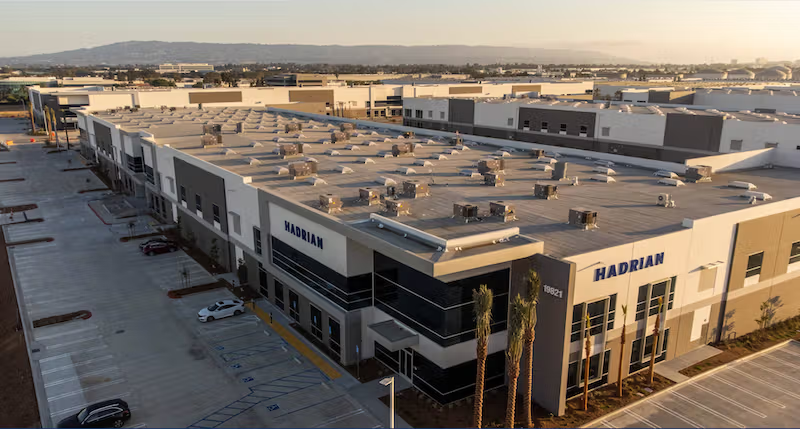
Hadrian’s F2 facility in Torrance, California. Image courtesy of Hadrian.
Hadrian will work with Fortastra throughout the design process, helping identify ways to make satellite parts easier and more efficient to manufacture. Fortastra, meanwhile, will share its experience qualifying hardware for space and meeting military, NASA, and international standards to help prepare Hadrian’s manufacturing technologies for future space missions.
“Fortastra is building the future of autonomous orbital systems, and manufacturing is one of the most crucial leverage points in delivering capability at speed and scale,” said Mike Smayda, CEO of Fortastra. “This partnership with Hadrian brings world-class manufacturing expertise directly into our engineering process, positioning us to pursue funded prototype efforts that validate advanced manufacturing’s impact on satellite development for national security missions.”
Meanwhile, Parker, who is Vice President of Additive Manufacturing at Hadrian, said the partnership is designed to bring the company’s manufacturing expertise into satellite development much earlier in the process. He said the goal is to help reduce production bottlenecks while making future spacecraft faster and easier to build.
“The rapidly evolving space environment demands defense capabilities that combine unprecedented precision, speed, and reliability, and that’s what Hadrian is built to deliver,” Parker emphasized. “Through this partnership with Fortastra, we’re bringing our high-volume production and large-scale additive manufacturing capabilities to address critical satellite development challenges in a fundamentally new way.”
For Hadrian, the partnership adds another space customer as the company expands its manufacturing business across the defense sector. For Fortastra, it provides access to manufacturing expertise that could help move future satellite programs from design to production more quickly.