
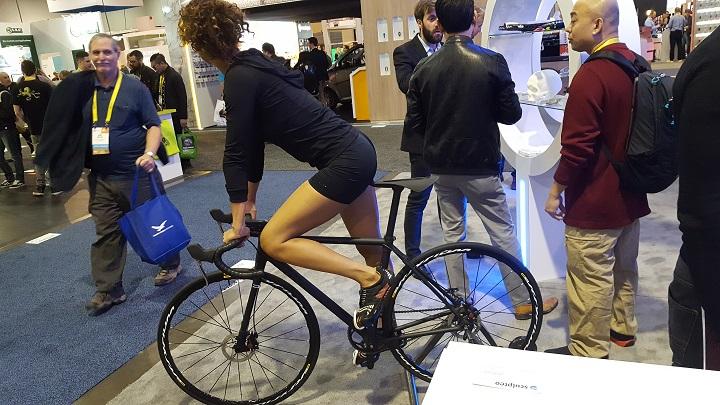
Photo taken at CES 2017 by Sarah Goehrke for 3DPrint.com
French 3D printing and digital manufacturing company Sculpteo introduced the bike, completed in seven weeks, at CES 2017 earlier this month. 70% of the Sculpteo Digital Bike was built with the company’s 3D metal printing platforms, and cost about $4,200 to create. Parts for the bicycle were created through CLIP technology, with Carbon‘s fast 3D printing capabilities in rigid polyurethane, flexible polyurethane, and elastomeric polyurethane, while others were created using SLS (in carbonmide, nylon, and alumide) and DMLS (titanium) 3D printing, as well as laser cutting of leather, aluminum, and stainless steel.
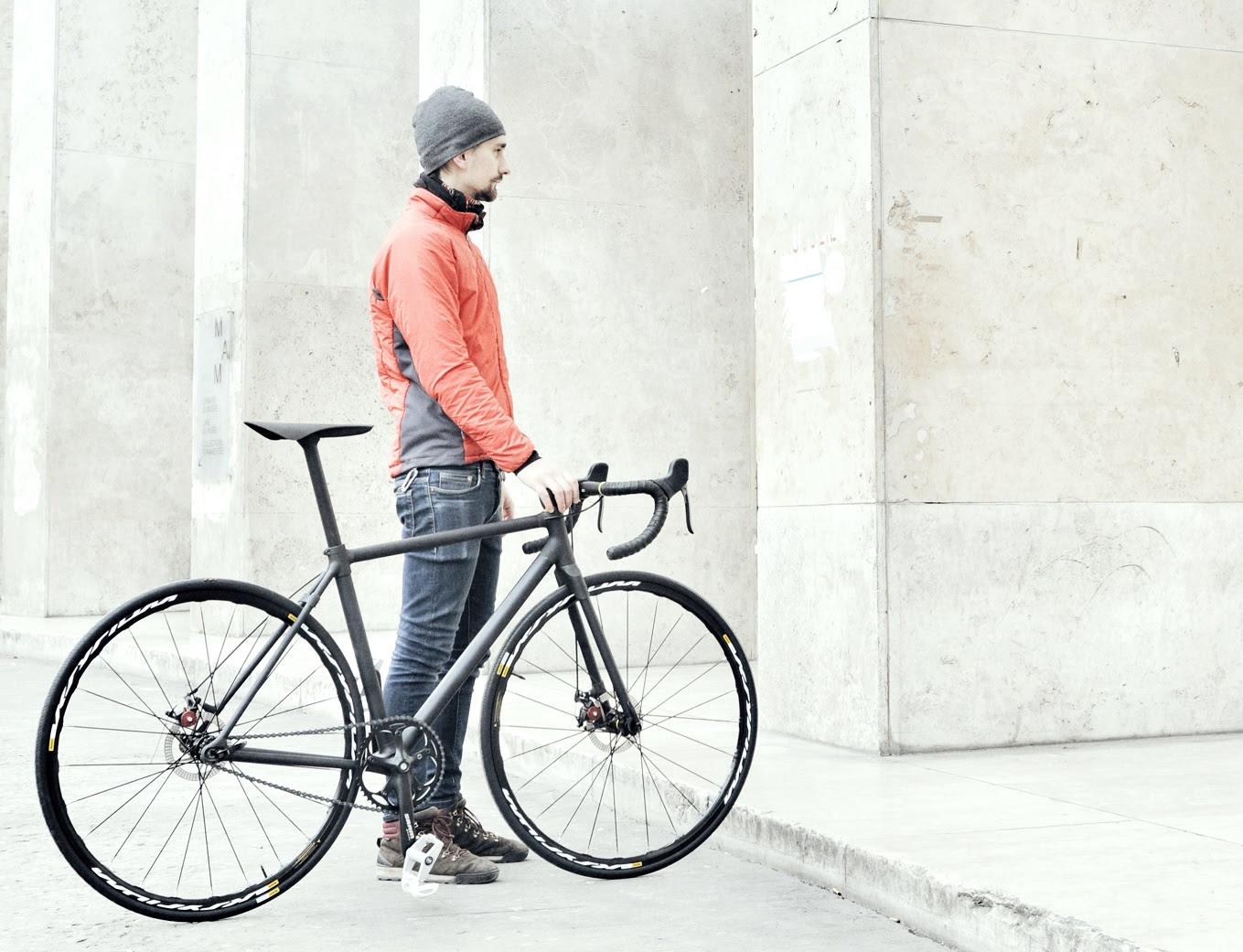

After first deciding which pair of 3D printed bike pedals to use, the duo hit the open road, alternating between one person on the bike and the other driving a car. After only a couple days of travel, they had to stop and work on the tires in Ludlow, switching them out for road-gripping tires that could better handle some of the poor roads they faced. This was one of the important reasons for the trip: to see if their parts could be improved and test how the bike’s materials handled harsh conditions, and how quickly Sculpteo could make new parts and send them to Orsetti and Widelka if they needed to make repairs on the way.
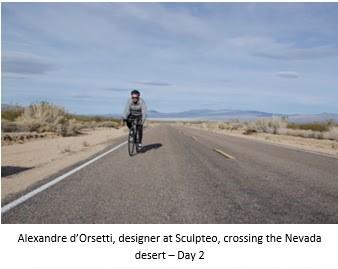
Orsetti and Widelka said in the blog, “The bike works super well! It feels great to finally ride it. There was a lot of wind that shook the bike like crazy.”
The pair made a day-long stop in Bakersfield and dealt with another bike issue: according to the blog, the 3D printed parts were no longer keeping the frames of the tube together. They soon realized that the glue was actually the problem, as it did not resist the vibrations of the open road well. A temporary fix in the form of straps kept them going for awhile, but the glue problem soon spread to the rest of the bike.
Orsetti and Widelka found a garage in a small town outside of Bakersfield, and some kind people lent them their tools so they could glue a pin and get rid of the straps. For the next iteration of the bike, the Sculpteo team is thinking about adding small cavities to the 3D printed parts, to help better retain the glue.
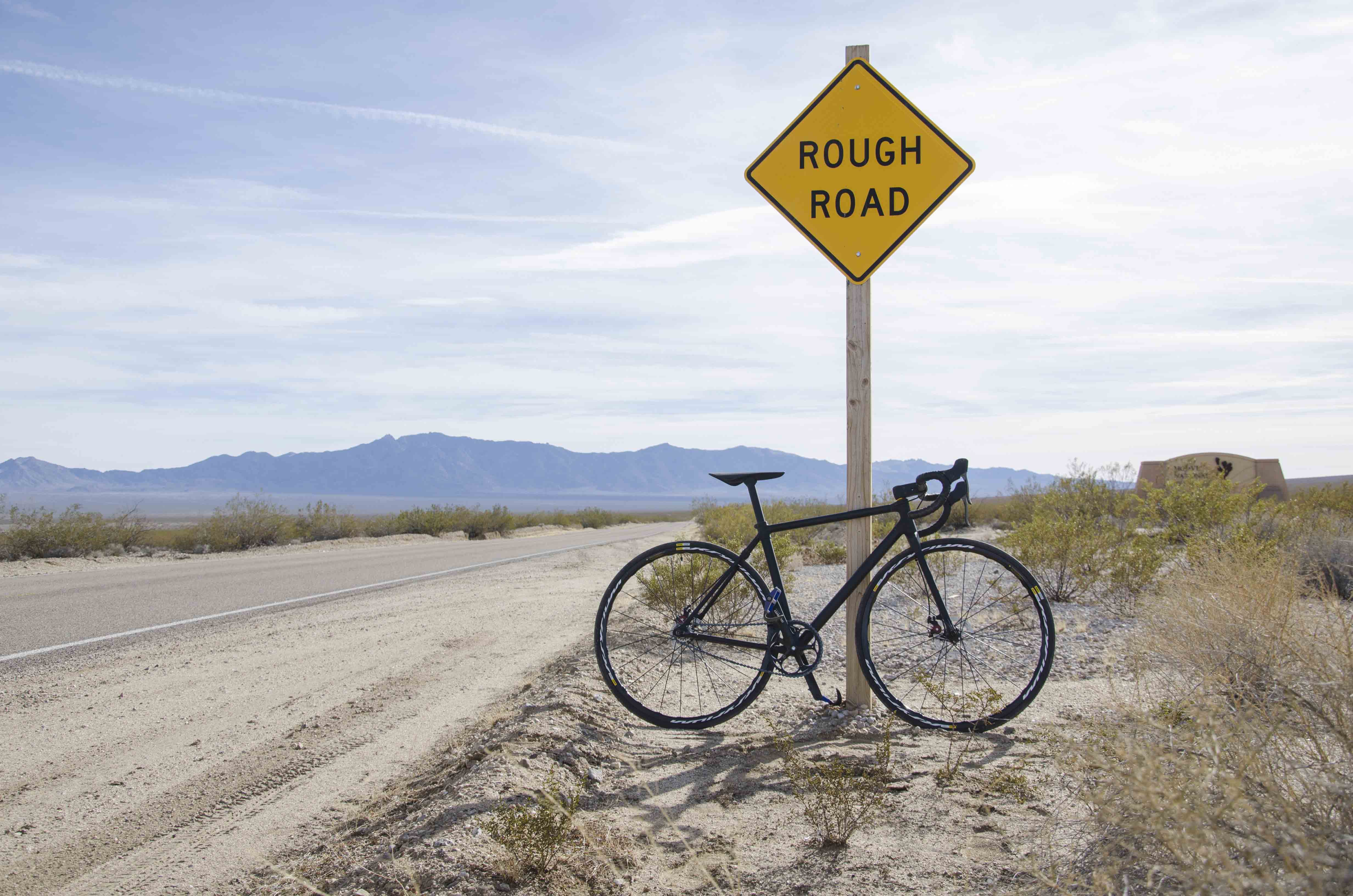
“In just a few miles, we went from a mountainous landscape to coastal scenes! People are wearing shorts and T-shirts, we’ve gone from cold mountains to a lukewarm surfing beach.”
The speed of the four-way road to Morro Bay meant that the pair could not ride together, but they did get to meet some sea lions at the end of the day! The intrepid travelers followed the coast north, from San Simeon to Slates Hotspring, through Monterey, and into Santa Cruz.
“It’s beautiful but quite physical because there are long and sharp hills. The bike rides perfectly, in spite of the ups and downs and the strong wind.”
