
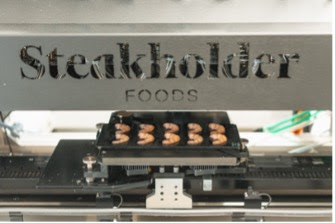
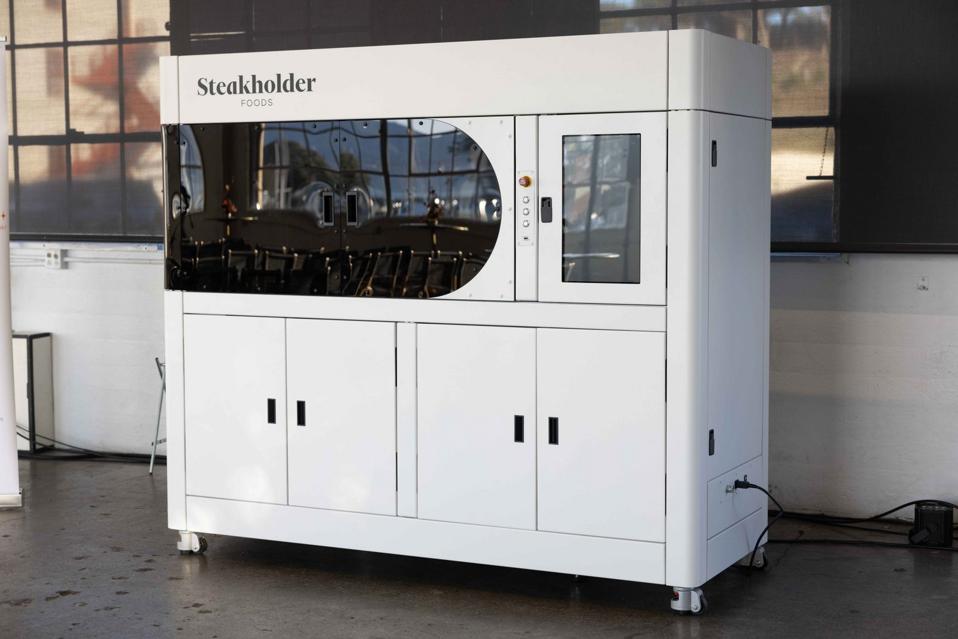
“By unveiling a second new species of plant-based, 3D-printed seafood this month, we expect to position Steakholder Foods to sell and deliver its first DropJet printer in 2024, offering partners and customers a unique opportunity to benefit from the expanding global seafood market, while making the right kind of impact on the environment,” said Steakholder Foods CEO Arik Kaufman.
At present, cells are selected and cultivated in growth vats until they reach a stage where they can be transformed into an ink. This ink is then used for 3D printing at a larger scale. The potential market size is significant, with the company noting that approximately 7.6 million tons of shrimp are harvested annually. The retail price of shrimp, ranging from $20 to $40 per kilo, is driven up by the manual labor involved in shell and vein removal. This leaves a considerable margin for Steakholder Foods to introduce a profitable alternative shrimp product.
The company, however, has not disclosed the intended price point for its 3D printed shrimp. Additionally, Steakholder has not revealed its sales strategy, including whether it plans to sell directly to consumers, restaurants, distributors, or through supermarkets. Consequently, the economic aspects of this venture remain largely unknown. Moreover, Steakholder Foods has not provided specific comments on the taste of the shrimp, other than stating its goal to mimic the flavor of real shrimp.
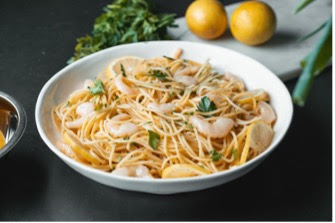
The core promise of Steakholder Foods, along with other firms specializing in 3D printed food, lies in the use of bioprinting techniques to create realistic and delicious food at scale. Even assuming that Steakholder Foods has accurately replicated the taste and texture of its products, there will be difficult hills to climb. A considerable amount of energy, nutrients, and costs are invested during the growth media step. It remains uncertain whether Steakholder Foods is capable of developing a more efficient and effective bioreactor, or if it is currently working on such a technology. Existing bioreactor companies could significantly impact their markets with the development of more sustainable and efficient systems.
Additionally, the ability of Steakholder Foods to scale up production is not yet clear. While the company employs a drop-on-demand approach, which has the potential to scale effectively, the specific volume and accuracy at which the company can currently produce remain unknown.
If Steakholder Foods manages to overcome its current difficulties, it could tap into a multi-billion dollar opportunity. By producing more ethical food more efficiently, the company could access various multi-billion dollar food markets. I for one will be curious to see if they can make the leap from rendering to plate.