The idea of how we are going to colonize Mars has become such a common topic in terms of futuristic innovation from the 3D printing community that I’ve grown to be quite a fan of the concepts that have emerged, highlighting everything from discussions and plans via the European Space Agency to pueblo-inspired habitats that look darned inviting, really.
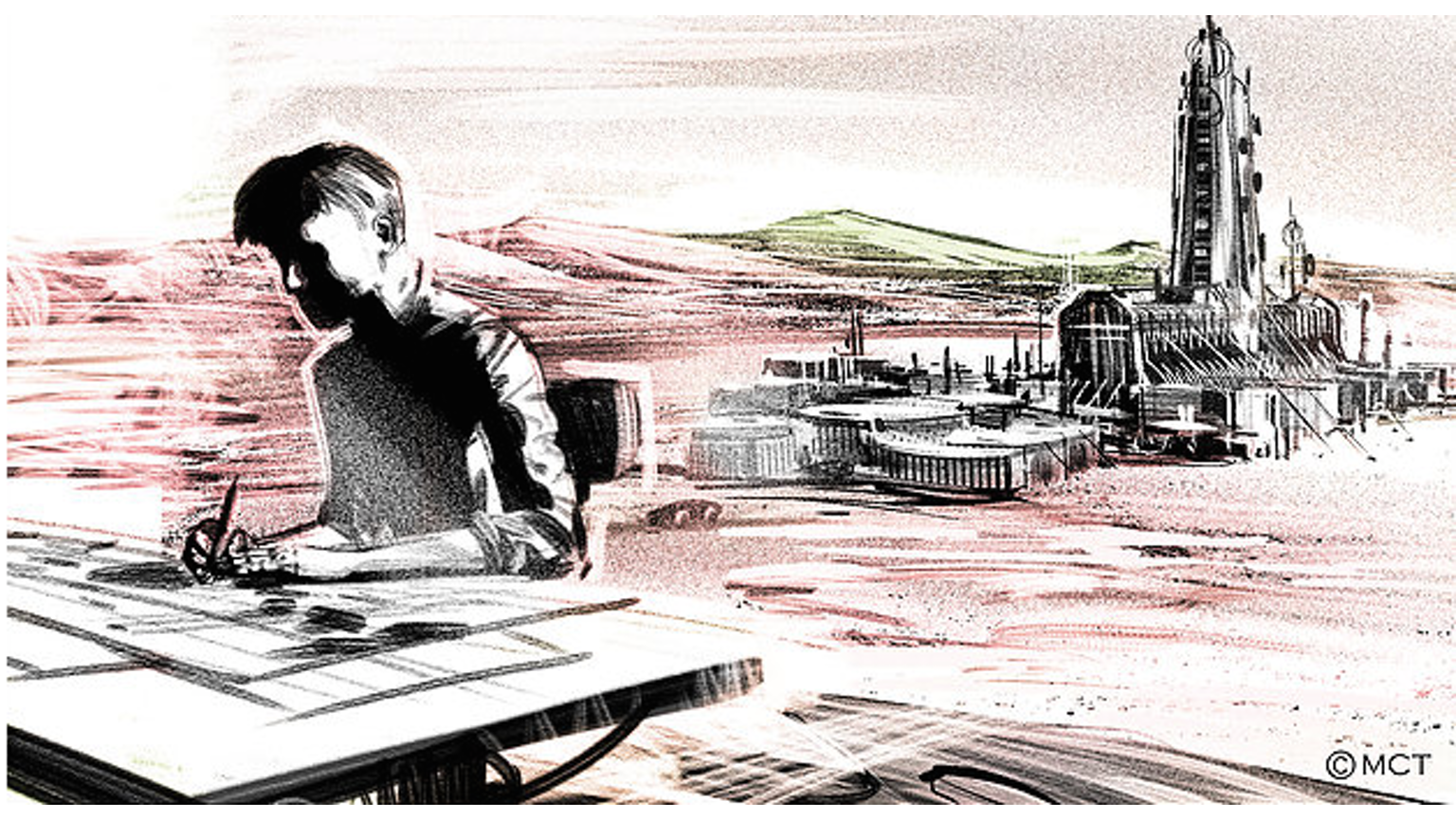
Mars City Design was put into action by Vera Mulyani, who dreams of being an architect on Mars. While espousing the idea of exploration, she envisioned the planet as a second home for many.
”It is not enough to just travel to Mars and survive, now we must develop a way in which we can sustainably live and love on Mars,” says Mulyani. “It is essential that we call on a new generation of thinkers and innovators to make this a reality.”
With a total of 25 finalists, participants offered up some complex projects, with examples like:
- Neurosynthesis – featuring bodies of water, and even an artificial waterfall—something not seen on Mars in quite some time!
- Project Dandelion – using the planet’s soil for both oxygen and water, offering sustainability for colonists.
- The Mars Living Machine – meant to use Mars and its brutal environment as a model for shaping architectures in the future.
Having just completed a Kickstarter campaign with 123 backers contributing over $30K in backing, Mars City Design announced that they would indeed be able to go forth with a workshop September 15-29. You can find out more about the Power Lab—meant to awaken the dream to live and to love on Mars—at Mars City Foundation, where they have speakers and mentors like Buzz Aldrin on their team.
As the workshop ensues, those attending will be assisted by aerospace engineers. It gets much, much better though! Once refined, the projects are to be brought together in the culmination of full-size, 3D printed space colonies that will actually be tested in the Mojave desert.

“What we’re trying to do in our workshop is to experiment,” project creator and self-proclaimed “Marschitect” Vera Mulyani said in a recent interview. “The gravity on Mars is different, so the density of the building materials will be different. It’s not about an architectural project that just looks cool; we have to see how far we can push 3D printing by experimenting [with] new ingredients for the paste and eventually building in some of the most extreme places on Earth. We want to learn how we can modify what we have today so that we can use it on Mars. Once we have that answer, we can improve our tools.”
This is definitely not your normal workshop—and it’s meant to go on for the next three years as all involved learn about stretching the limits of both architecture and the brutality of nature. They’ve also issued the call for entries, beginning in January for the Mars City Design Challenge 2017, where the focuses are on projects such as transportation, ‘human’s friends,’ and energy recycling.
“Mars City Design is a human movement, comprised of not only scientists and engineers, but also, experts from the vast landscape of artistic vocations.” Discuss this further over in the 3D Printing Challenge from Mars City Design forum at 3DPB.com.
[Source: Digital Trends]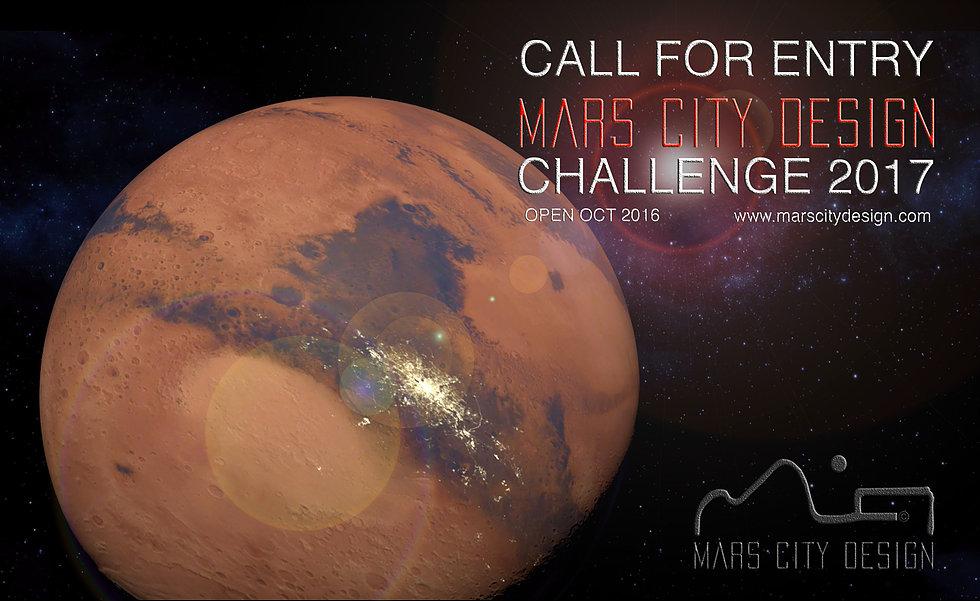
Podcast: Play in new window | Download