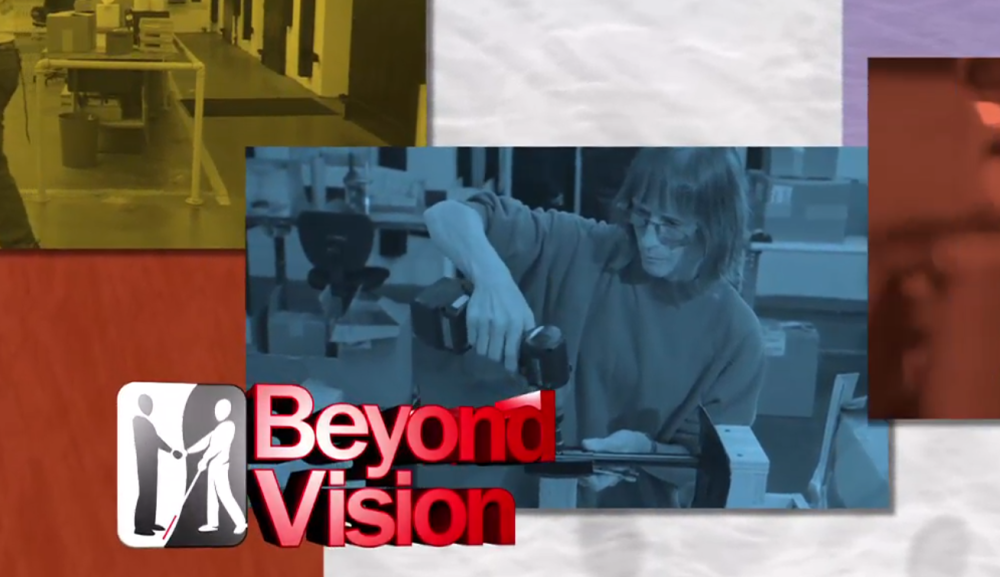
While not every job at Beyond Vision can be done by a visually impaired employee, the company says that 64% of their employees are legally blind and a massive 86% of their production staff is legally blind. Established in 1903 as the “Wisconsin Workshop for the Blind,” Beyond Vision receives no Federal, State or local funding of any kind and is entirely sustained by their longtime contracts with local companies like Harley Davidson and Oshkosh Truck.

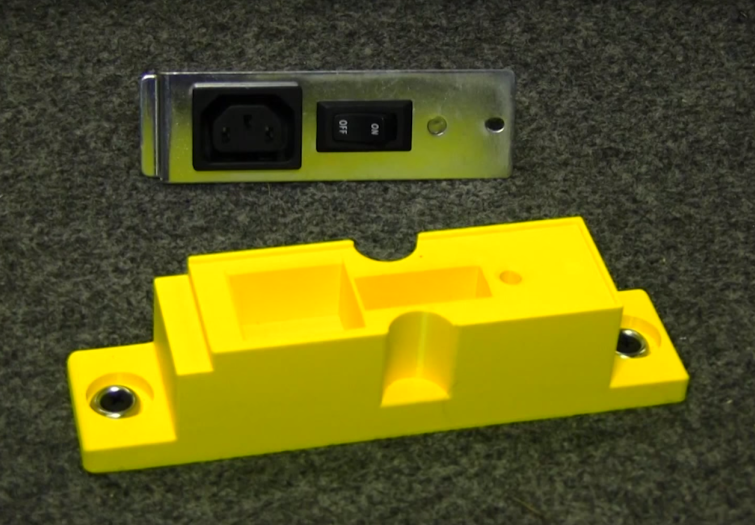
A 3D printed fixture prevents the plug from being assembled incorrectly.
We’ve seen and written about people using 3D printing to help create plenty of accessibility devices over the years. From prosthetic limbs to customizing wheelchairs to communication devices for autistic people and even STEM education devices for the blind. 3D printing has been used to do wonderful and transformative things for the disabled community. And using 3D printing to make the working disabled more efficient is, frankly, a fantastic use of the technology.
The Japanese term for mistake proofing things is Poka-Yoke, and the concept was the inspiration behind Beyond Vision’s 3D printed assembly guides and fixtures. The company’s engineers now regularly design and 3D print project specific guides that completely prevent them from being assembled incorrectly, which in turn helps their blind employees assemble their parts faster and more accurately. Not only does this improve productivity, but it even allows them to perform jobs that would typically be unavailable to them.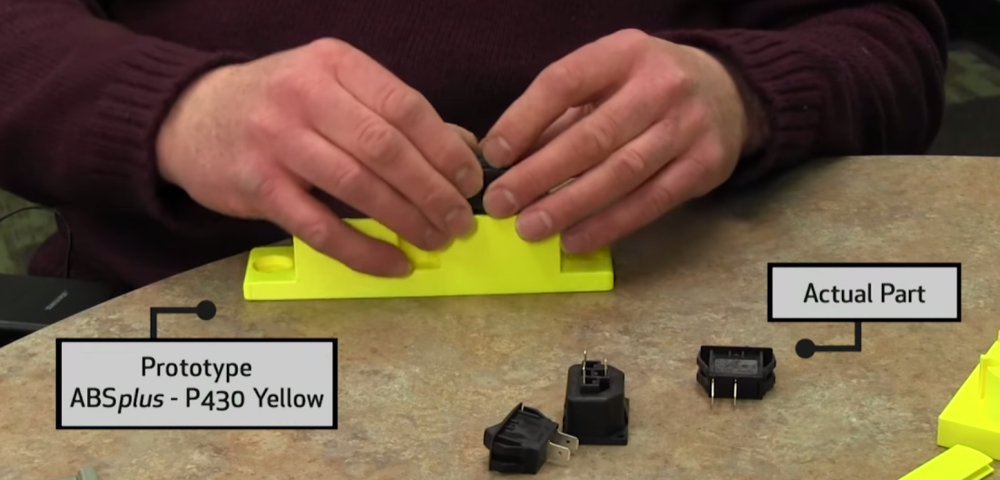
“We’re all about creating job opportunities for people who are blind and I’d love to see a day when we’re doing enough 3D printing for ourselves and for other companies to create a blind job, or two, or three, and turn this into another way that we can extend our mission,” said President & CEO of Beyond Vision Jim Kerlin.
Check out this video about the devices that Beyond Vision 3D printed with the help of Graphics Systems Corporation:
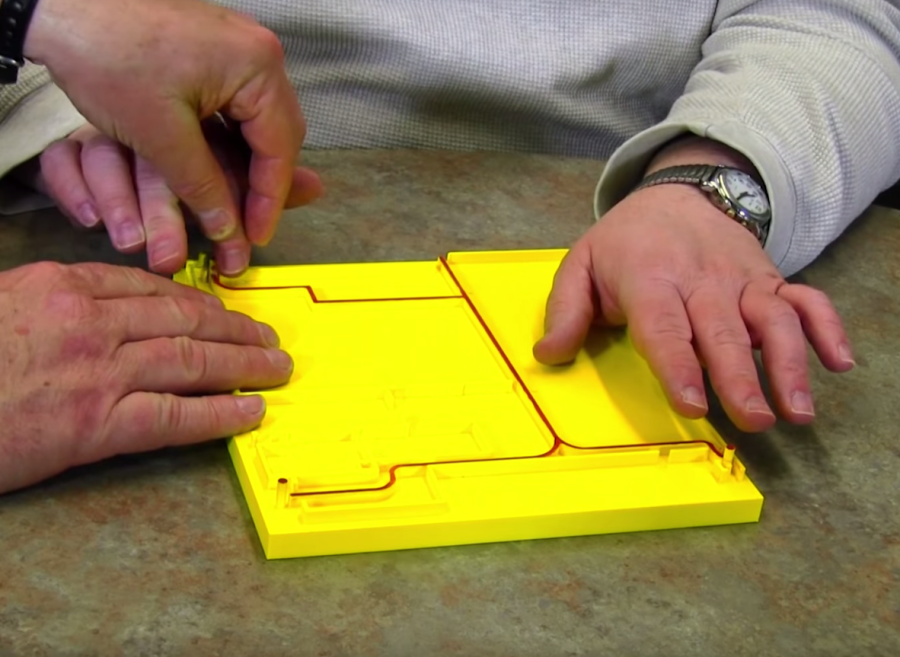
3D printed emergency escape route maps.
Implementing the 3D printed fixtures and assemblies into their workflow has been so successful that Beyond Vision has found themselves looking for new ways to incorporate 3D printing into their business. So far they’ve produced tactile representations of animals and objects, that the sighted often take for granted, that allow their blind employees to “see” objects that they could never be able to imagine on their own. They have also created three-dimensional maps of the building’s emergency fire exit routes to help their employees quickly and easily find their way out of the workshop in the case of an emergency. Not only does that improve safety for their employees, but it will make them feel more secure while working.
Sometimes when people are dealing with the disabled they seem to forget how easy it often is to accommodate their needs and help them become more independent and productive. All it costs is a little bit of empathy, some creative thinking and the desire to do so. Thankfully organizations like Beyond Vision are here to remind of us that and they are leading by example.
Let us know your thoughts on the use of 3D printed to help the blind in the 3D Printed Mistake Proof Fixture forum thread on 3DPB.com.