
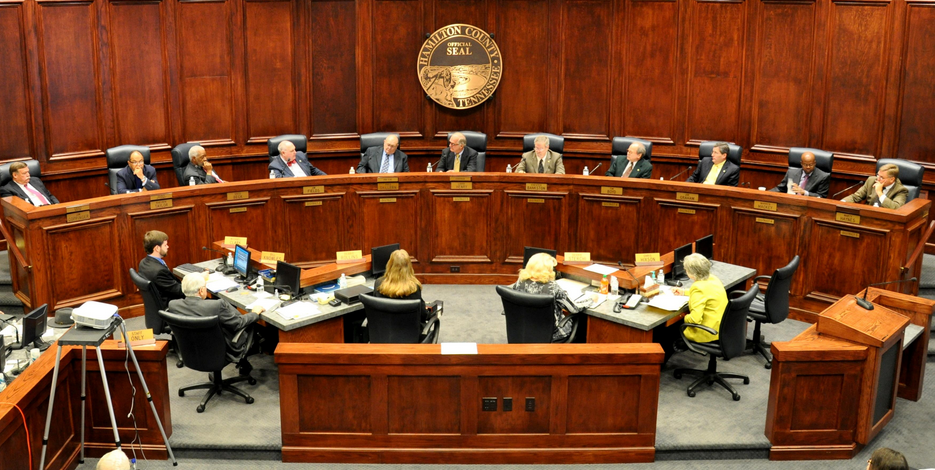
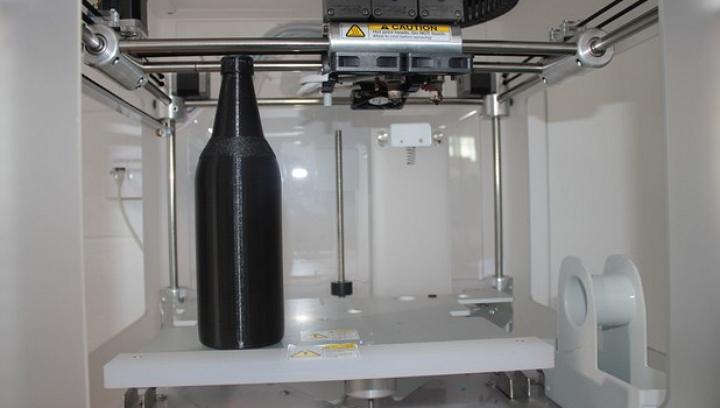
This 3D printed beer bottle model helped convict a murderer in a case in Britain
Because winning courtroom battles can often hinge on one side or the other having the slightest edge when it comes to presenting evidence, legal experts are now looking to 3D printing to give them the upper hand when it comes to presenting their cases.
C3DE says they’re Canada’s first 3D Printing company dedicated to providing models for the courtroom to help lawyers, paralegals and expert witnesses bolster their case activities.
According to C3DE, a number of psychological, behavioral, medical and legal studies have shown that the facts of a case – and merits of an argument – can be lost in the shuffle when they’re only presented via a written or auditory presentation.
“Poorly conveyed facts or confusing arguments have lead to wrongful convictions,” says Natalka Falcomer, a member of the company’s Legal Advisory Board. “This is because decisions can be based on ‘gut’ or misunderstandings rather than fact”

Natalka Falcomer of C3DE
Falcomer says that by offering a different kind of visual experience and a persuasion tool designed to solve this memory problem, the legal process is protected and rights of all parties involved are served.
She adds that for “litigators who feel left out of the tech world, C3DE seeks to provide a different kind of visual experience and persuasion tool for trials and other court room battles.”
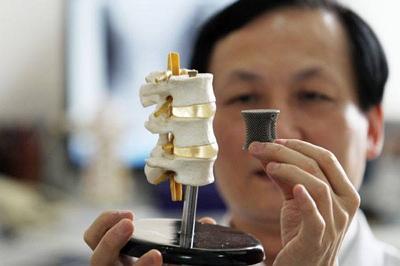
The company says the credibility and memory bias problems inherent in courtroom proceedings can be overcome with visual aids. They cite examples such as 3D printing a broken spine from x-ray data in order to graphically reveal the severity of the injury or using a 3D, PDF image to show the degeneration of a hip in a medical malpractice case as ideal uses for their technology.
“The models make it easier to explain and communicate the items at issue,” Falcomer says. “They also keep the ‘audience’ engaged.”
C3DE says they take advantage of a group of legal and 3D printing experts who specialize in designing and printing accurate, 3D evidence for criminal, medical malpractice and personal injury cases.
According to their website, designs and prints which result in “compelling evidence” start at around $600. They add that their services can be used to create visualizations of evidence for personal injury, medical malpractice, auto accident, criminal cases, structural system failures and disability claims.
Would seeing 3D printed evidence presented during a court case help you render a decision? Let us know in the 3D Printed Evidence forum thread on 3DPB.com.