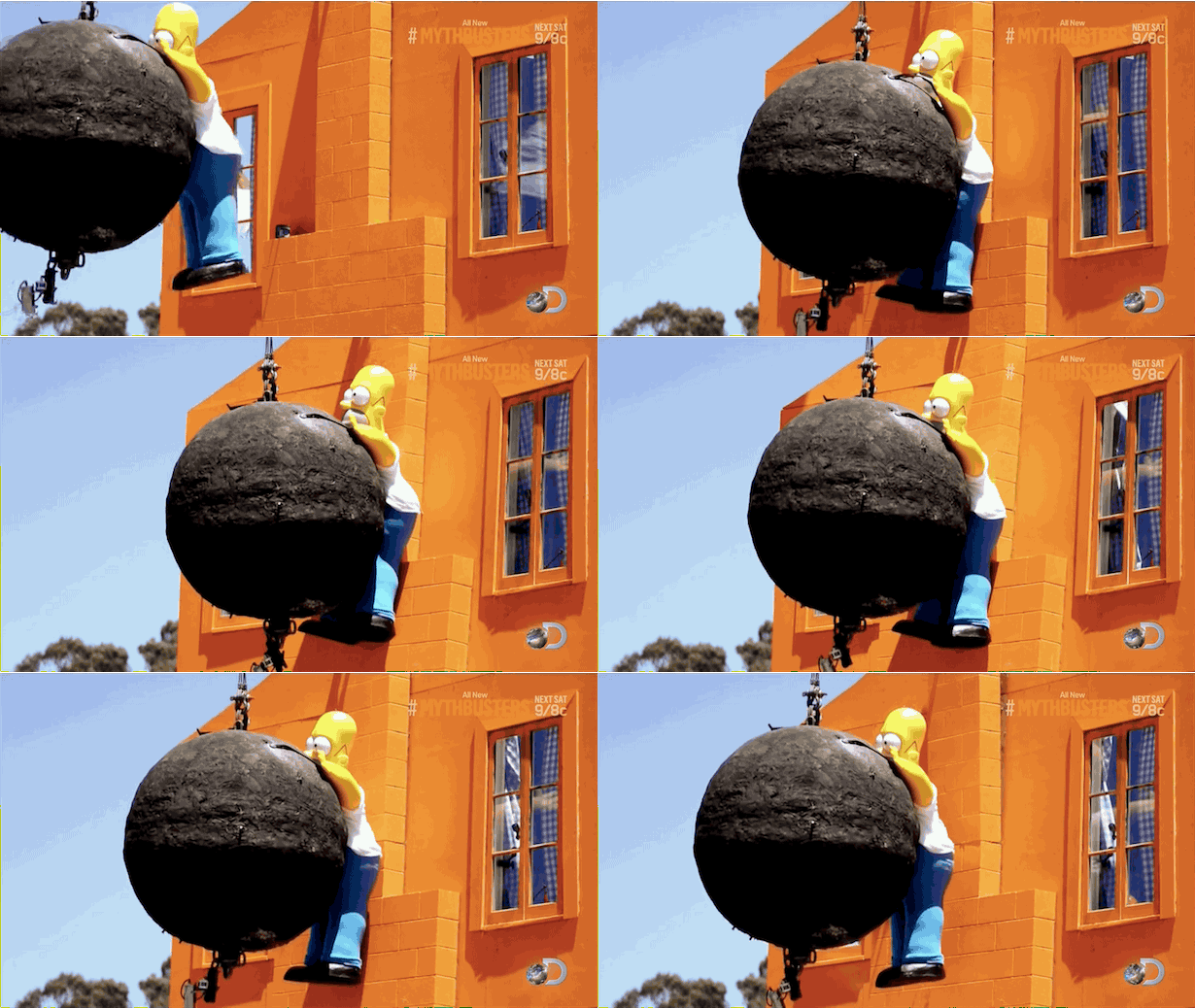

When a television show gets a little long in the tooth, producers have a tendency to get a little desperate for content. So when a show like MythBusters, which revolves around proving or disproving urban legends and myths, reaches fourteen seasons the list of myths that make for good TV starts to get a little short. And that’s how we get here, watching a, episode where the entertainingly nerdy hosts Adam Savage and Jamie Hyneman try to prove or disprove the physics of a cartoon.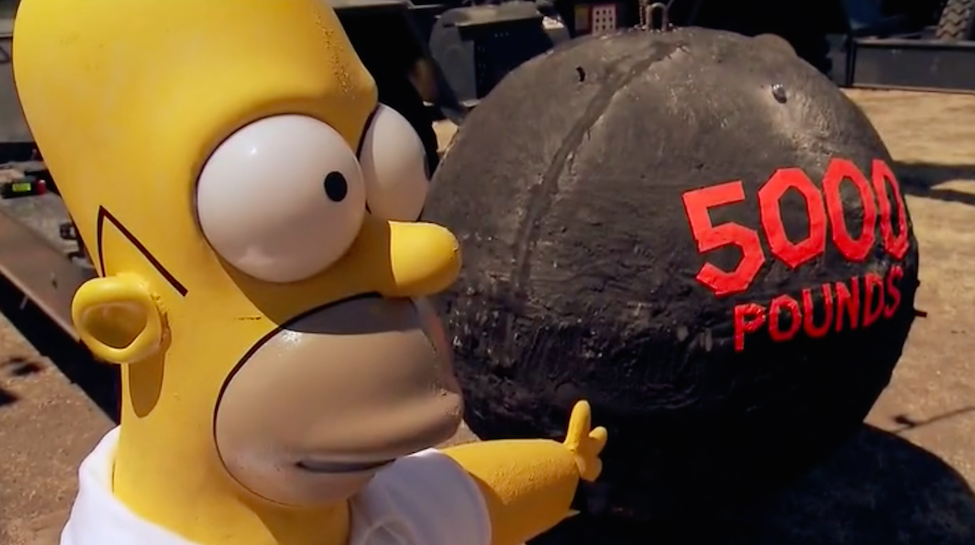
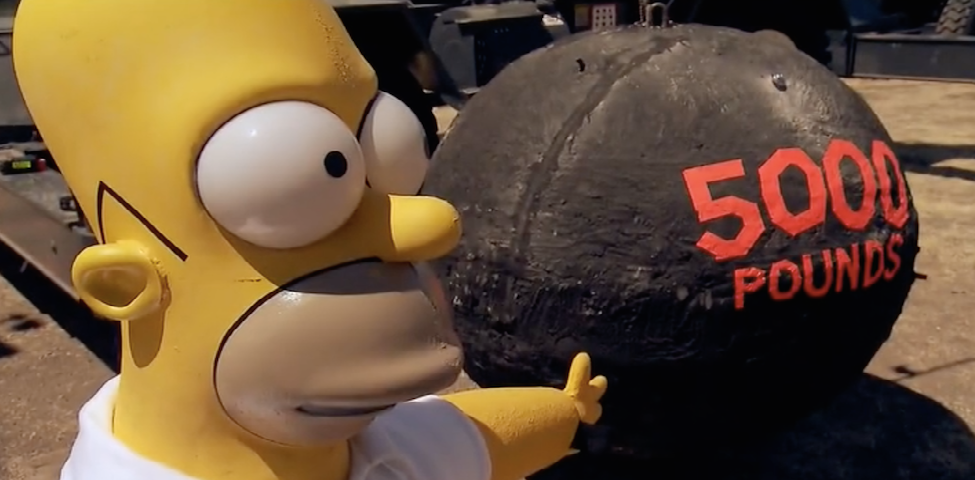
In typical MythBusters fashion, Adam and Jamie break down the myth, apply some math to it, and figure out the best way to replicate its conditions in order to observe the results. In this case it meant creating a life-sized replica of Homer and literally putting him in the path of a 5,000 pound ball. Luckily Adam and Jamie are two of the entertainment industry’s best special effects maestros. After building Homer’s body to scale, they turned to special effects whiz Merrick Cheney from Mechinations to help reproduce Homer’s instantly recognizable head.
Take a look at the MythBusters’ Simpsons episode trailer:
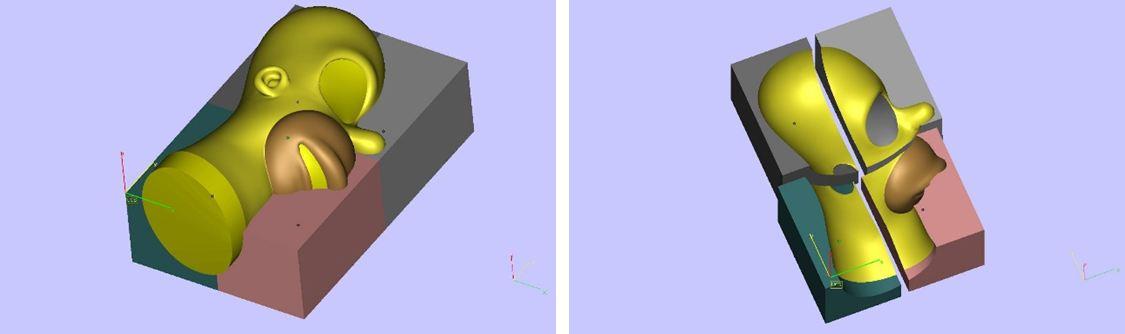
Magics is an STL editing and optimization program that allows users to instantly orientate 3D models in the optimal printing position, or organically divide a larger object into smaller parts that would then be assembled. The STL can then be sent to a waiting 3D printer or, in the case of Homer’s noggin, a CNC machine that will tool a mold that Adam and Jamie can fill with a flexible rubber material.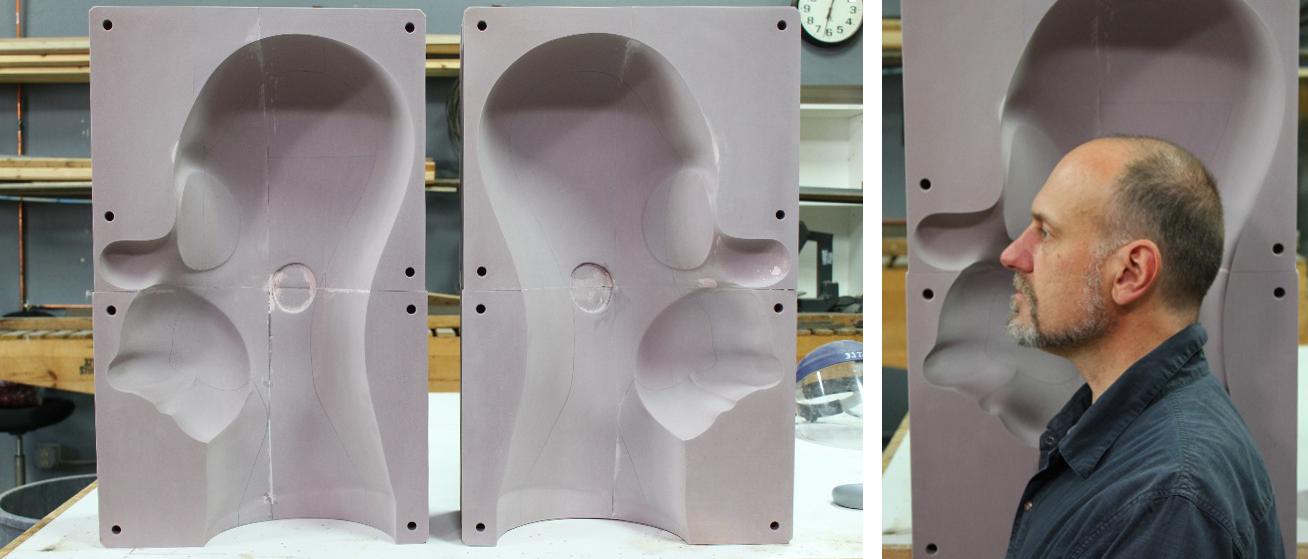
“The great thing about Magics is that it can fix big STL files. All tools in Magics were useful for making the mold. You can clean up your file to get watertight data that can be used for 3D Printing or send your fixed files to a CNC milling machine,” Cheney explained to Materialise.
In order to produce Homer’s head at a large enough size to fit his body Cheney needed to divide the mold’s STL file into eight individual parts. Once he had milled all eight of them, he assembled the full mold and passed it back to Adam and Jamie to complete Homer’s hilariously massive head. The piece created from the mold was coated with a Simpsons-yellow latex coating and filled with the quick drying rubber, then had the final details painted on.