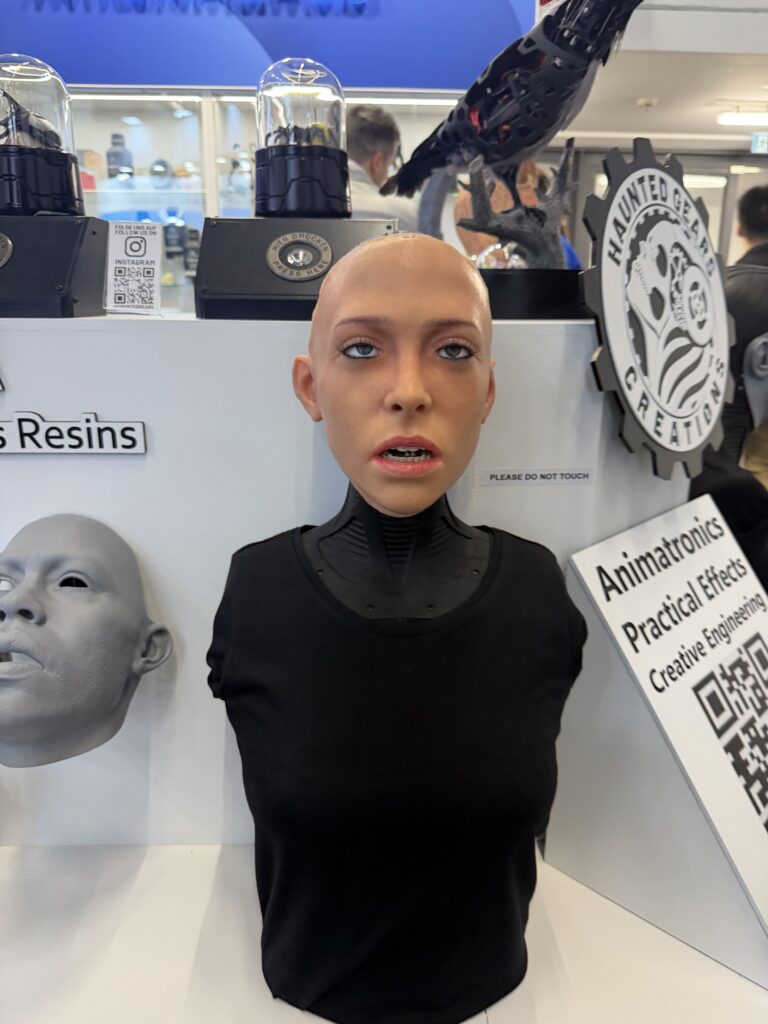
Usually, Frankfurt kind of feels like some sunless, wind-battered, rain-soaked oil platform listing in the North Sea. Not this time. The weather is much nicer this year; it was crisp this morning as I bounded toward the event. Sluiced through security and three smiling Germans later, I was on the bus. It was so lovely and efficient. Every year, the same journey and being on that bus always feels a bit like Christmas. We arrived, and I grabbed a quick coffee at Colibrium Additive and a nibble at Markforged before heading to hall 11.1 for my first meeting.
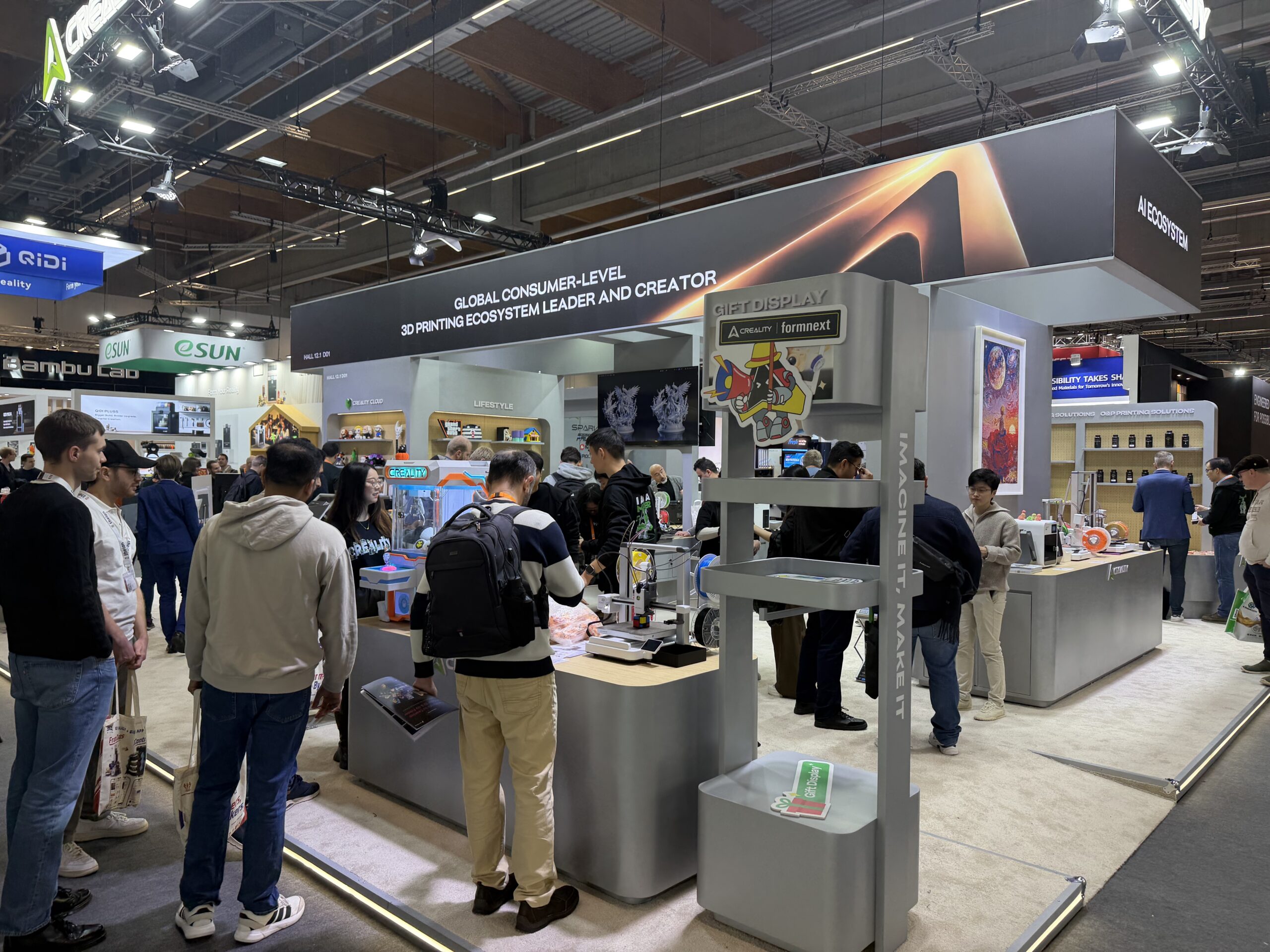
I actually prefer Formnext to Christmas. I don´t get giant 69-laser Chinese LPBF machines for Christmas. It’s so nice of the Chinese government to give us all this stuff. I counted five new Chinese LPBF firms in 20 minutes. I´ve decided that I´ll start memorizing the names only if they come back the second year for efficiency’s sake. Usually these posts are drenched in biting sarcasm. But you know how Taylor Swift´s songs start to suck more when she´s happy? I think it the same with me; if I´m content, the humor evaporates.
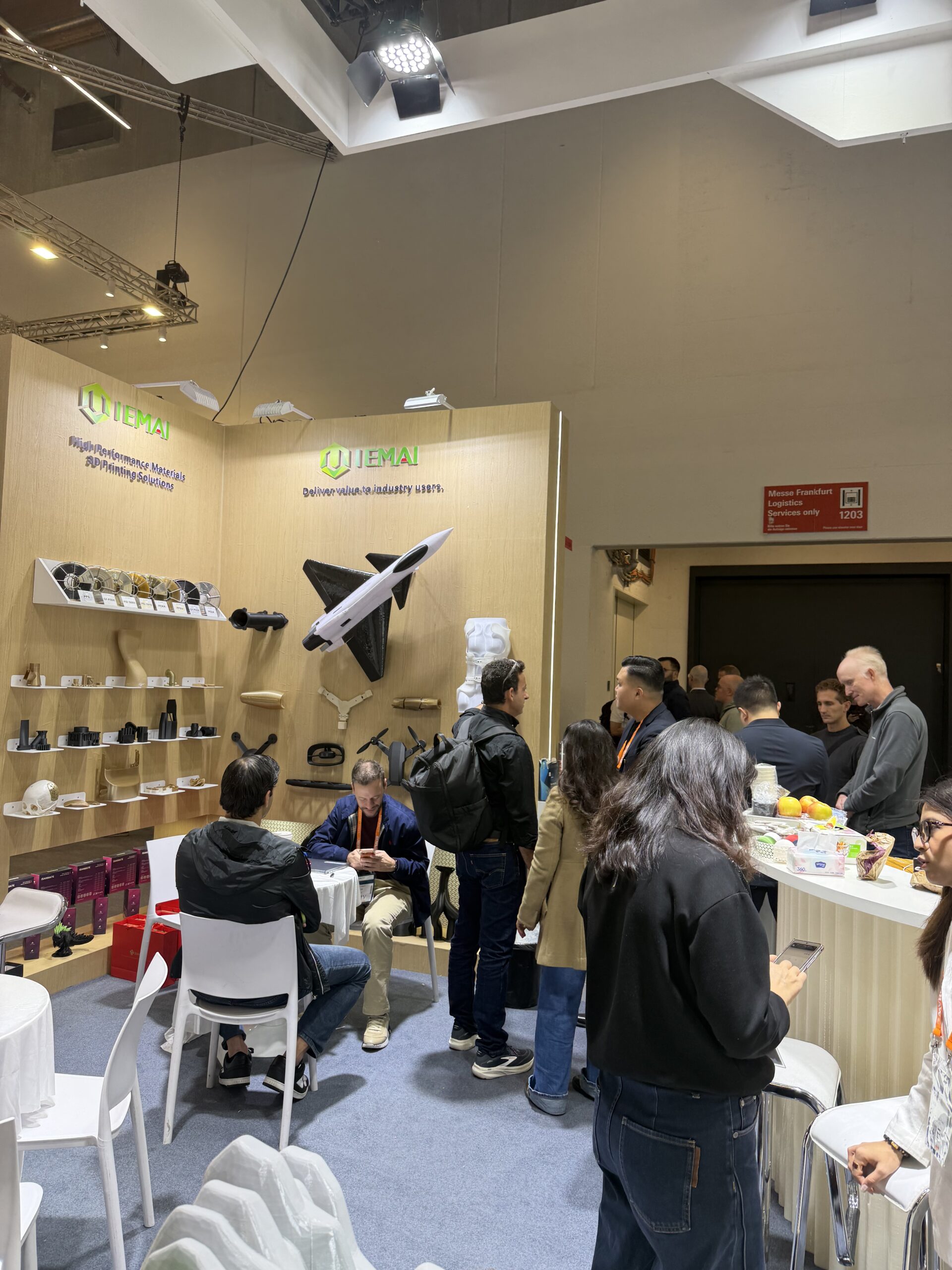
And I´m happy. The a-holes have, mostly, left the building. And even though there is a trend towards hypetastic, ¨its like Uber but for manufacturing¨ and there are completely ridiculously stupid AI for CAD and manufacturing startups emerging, it’s mostly real money, real people, real parts, real business. Well…OK maybe not real parts. There are a lot of fake parts, of course, a lot of engines that aren´t engines, and imaginary drone parts. One year someone brought 3D-printed acetabular cups the size of a baseball; I called them Shaq cups. Custom-made for the NBA. There are a lot of very optimistic parts too. But I guess that’s kind of a wishful-thinking cargo-cult approach: if you set up your altar, maybe the things you wish for will happen. A stand is supposed to showcase what you have; all too often in Additive, it’s more a showcase of what you want. Some 3D printing stands have altars to imagined futures that will never happen. I believe that these firms die and then go to 3D printing heaven, Hall 11.1. The hall of unfulfilled dreams.
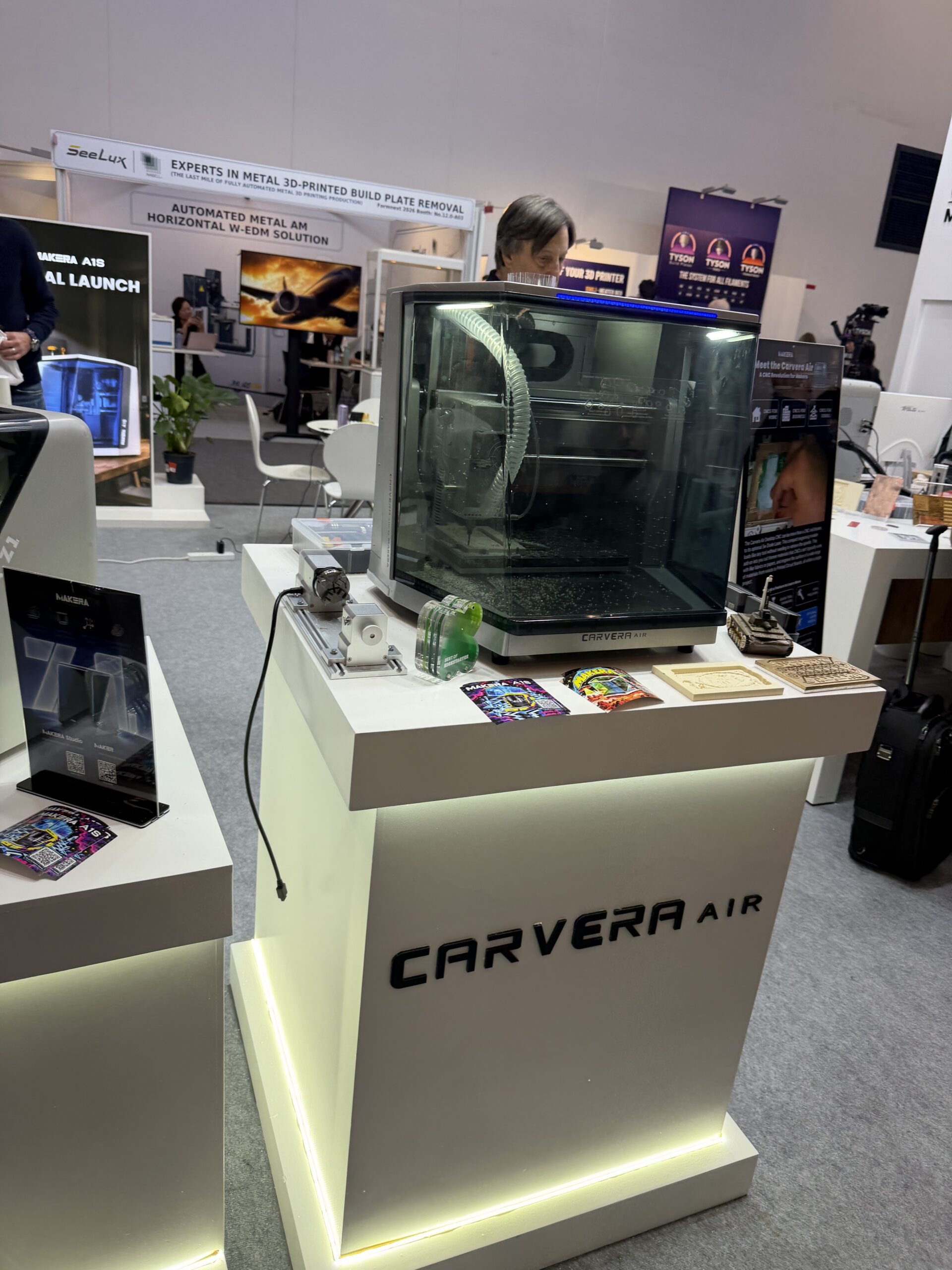
The snack situation is meager, really. There are still some Haribos, of course, but I´m just not seeing an effort going into the snacks anymore. Just pulling open a Celebrations Box is not very celebratory. Find a different way of telling people that you’re running out of money. Drinks are still good, and lots of people have good coffee too. Stands are smaller and less pompous. Around 50% of exhibitors from 2025 aren´t here anymore. In their place is a lot of defense and Chinese firms. The busiest stands are those of Prusa and Bambu again. A lot of people were interested in SnowX´s $10,000 LPBF machine, and you can buy one at the show for 5,000. The most important trend for me is the emergence of Makera and NestWorks. These two CNC firms represent a birgeoning desktop manufacturing industry of UV flatbed, laser cutters and other tools. For Formnext it will be a huge opportunity to become the default tradeshow for desktop CNC, milling and beyond. These firms are well funded, growing quickly, and can bring about a true desktop manufacturing revolution much broader than just 3D Printing.
I really liked the Admatex Discovery, a desktop ceramic machine. That could really make vat polymerization-based ceramics much more affordable. It could also make it easier to enter the field and do research in it. I also liked Added Scientific´s Jetforge Core, which can take six different inkjet heads in one printer. You could even use different heads from Ricoh, Epson, or Xaar in one printer together. To me, this is a solid machine that could eventually print sensors, electrical devices, and more inexpensively. I really like Nikon´s MachX, with a new Nikon optic and a and with a 25-minute turnaround that could be a real asset. My favorite thing at Formnext was, however, Sallea.
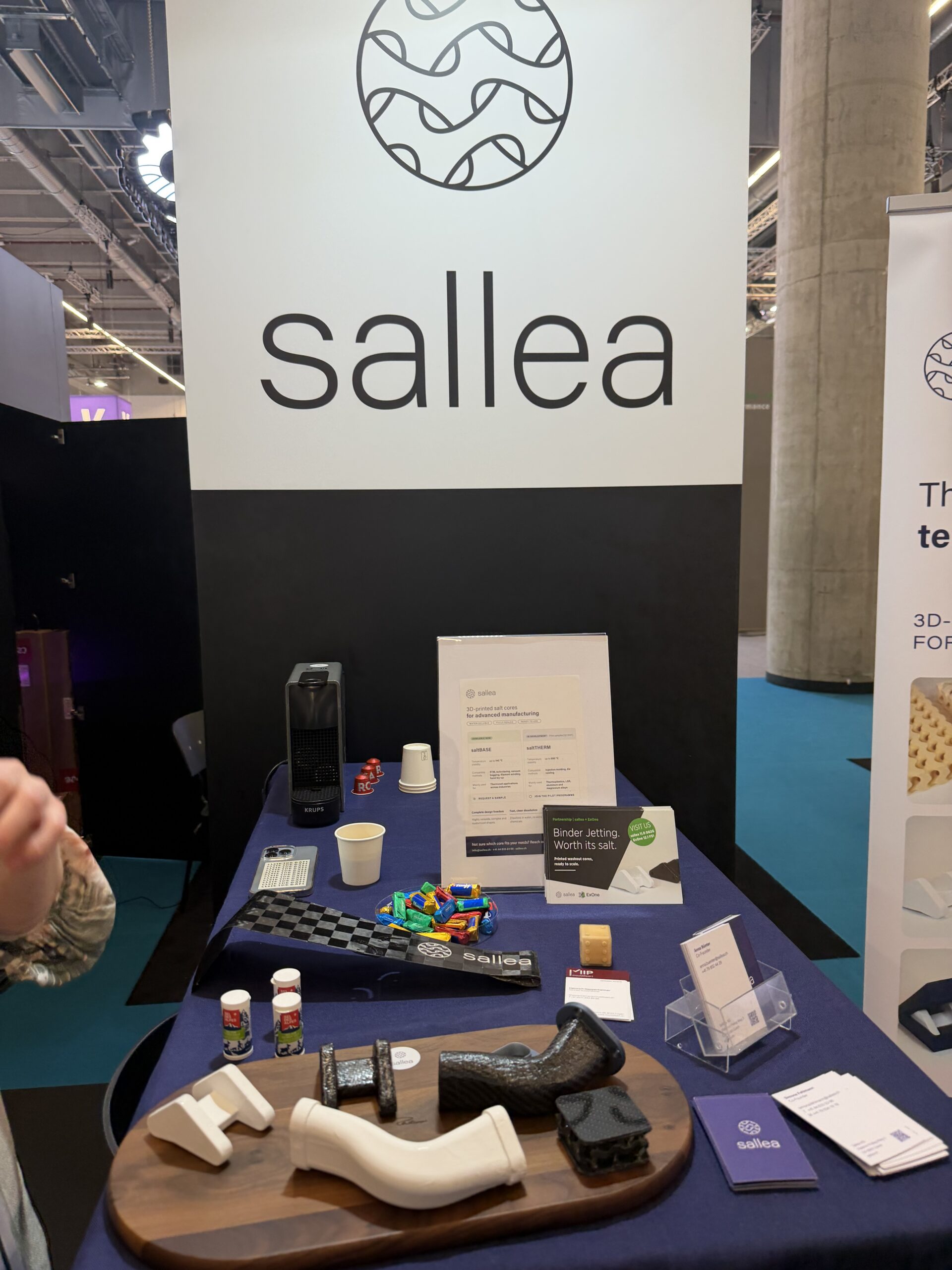
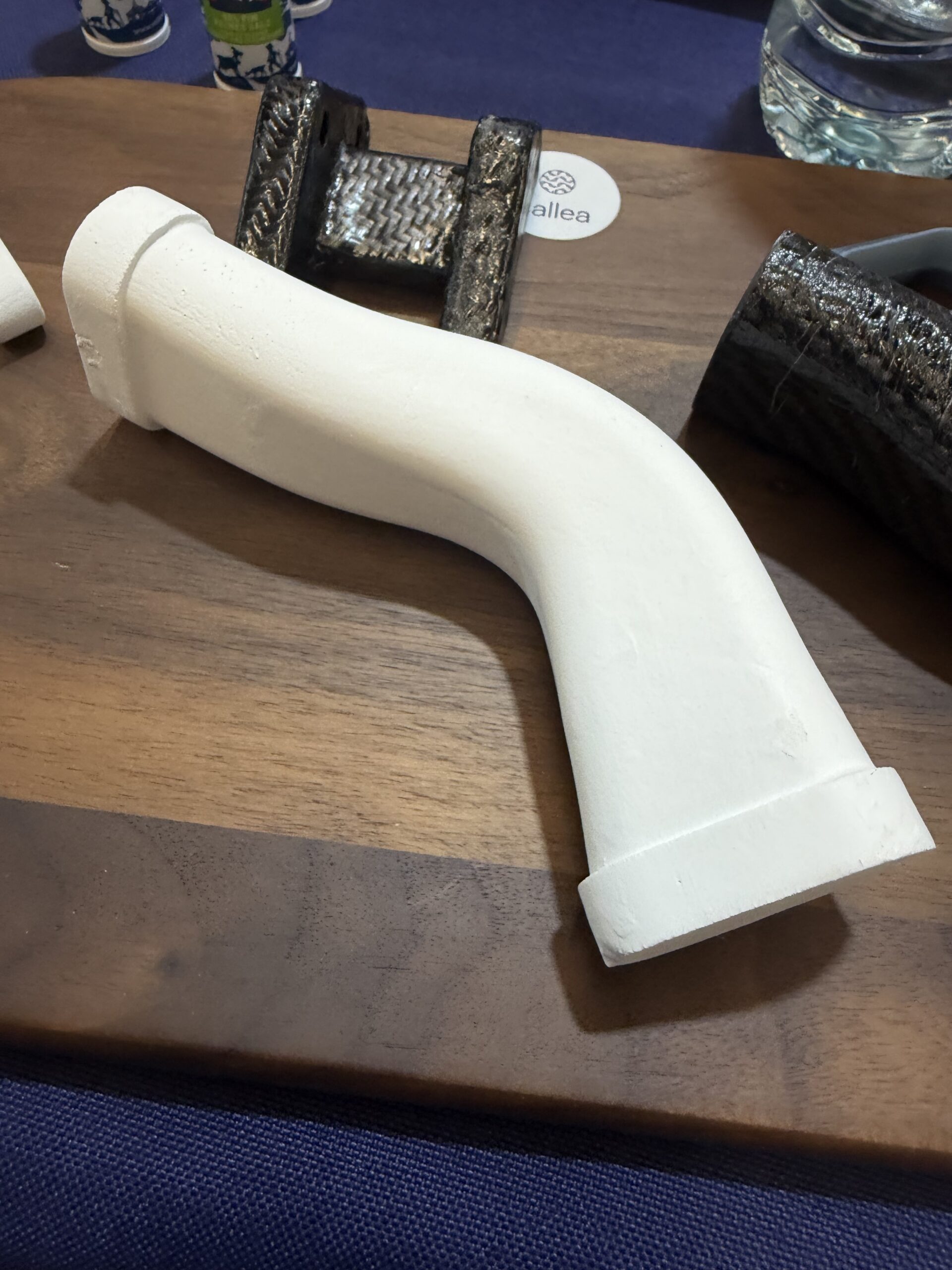
Sallea uses binder jet to make salt cores. I love this so much, its clearly going to be a big help to people working in composites and beyond.The detail level and smoothness are great. The company is a service, and you could use the cores as a mandrel, for example, and then wash the salt out. They have a material now, saltBASE, which can withstand 140 °C and could be used for Resin Transfer Molding, hand lay-up of carbon fiber, and vacuum bag molding. They´re developing another material that could go to 650 C. The company is targeting composites, motorsport, and sporting goods. But, I think that there are a lot of defense applications for this as well. I think that they should license the technology to people together with a binder jet firm and let them work at their own site. I´m guessing that the biggest customers for this are going to be rather secretive.