
The inroads that additive manufacturing (AM) users have made into the celebrity branding market is underappreciated, perhaps because the value is difficult to quantify. But just last month, for instance, 3D printed furniture maker Decibel partnered with Justin Bieber’s Skylrk brand for the singer’s Coachella set, and, during the Masters, Bryson DeChambeau made headlines once again for his 3D printed clubs.
Bieber and Skylrk also released a 3D printed sneaker at the end of last year with Zellerfeld, the Brooklyn-based, avant-garde design house responsible for a large chunk of the direct-to-consumer (DTC) products launched in partnership with celebrity-owned brands that have popped up in recent years. Around the same time as its Biebs collab, Zellerfeld also announced the launch of a basketball shoe prototype in partnership with Celtics’ All-Star Jaylen Brown’s 741 Performance.
Considering the Brooklyn company’s repeated work with Nike, Zellerfeld may see deals with athletes as an attractive lane going forward, especially given how common it has become for professional athletes to pursue second careers as entrepreneurs. Baron Davis, who just launched the fashion brand OverDose on the back of his own 3D printed shoe deal with Zellerfeld, was a pioneer in the modern era of pivoting from pro sports to business ventures.
After retiring from the NBA in 2012, Davis has branched out into just about everything: Hollywood producing, cannabis, venture capital, and even rapping (he’s good, too!). It’s indeed a bit shocking that it took this long for Davis to get into fashion.
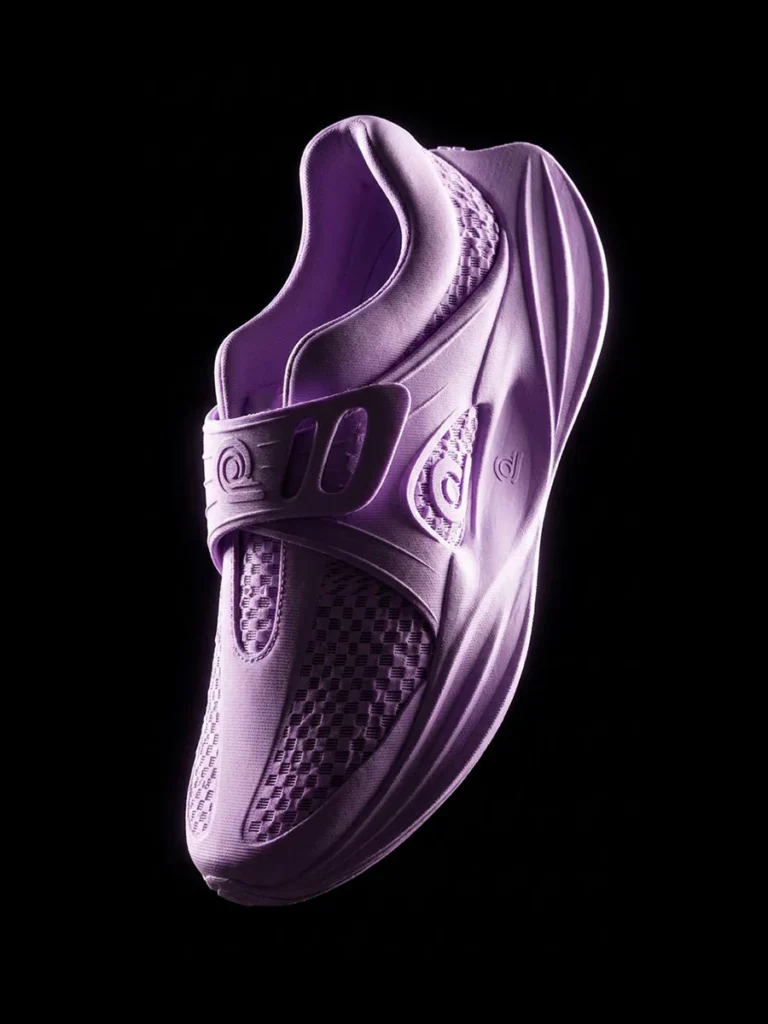
The first sneaker launch from Davis and OverDose is the OD Easy PZ, a $199.00, limited release drop in five color ways. OverDose is categorizing the Easy PZ as a “recovery sneaker,” which is a growing area of the footwear market that targets consumers who are into fitness and are looking for extra comfort in their post-workout hours.
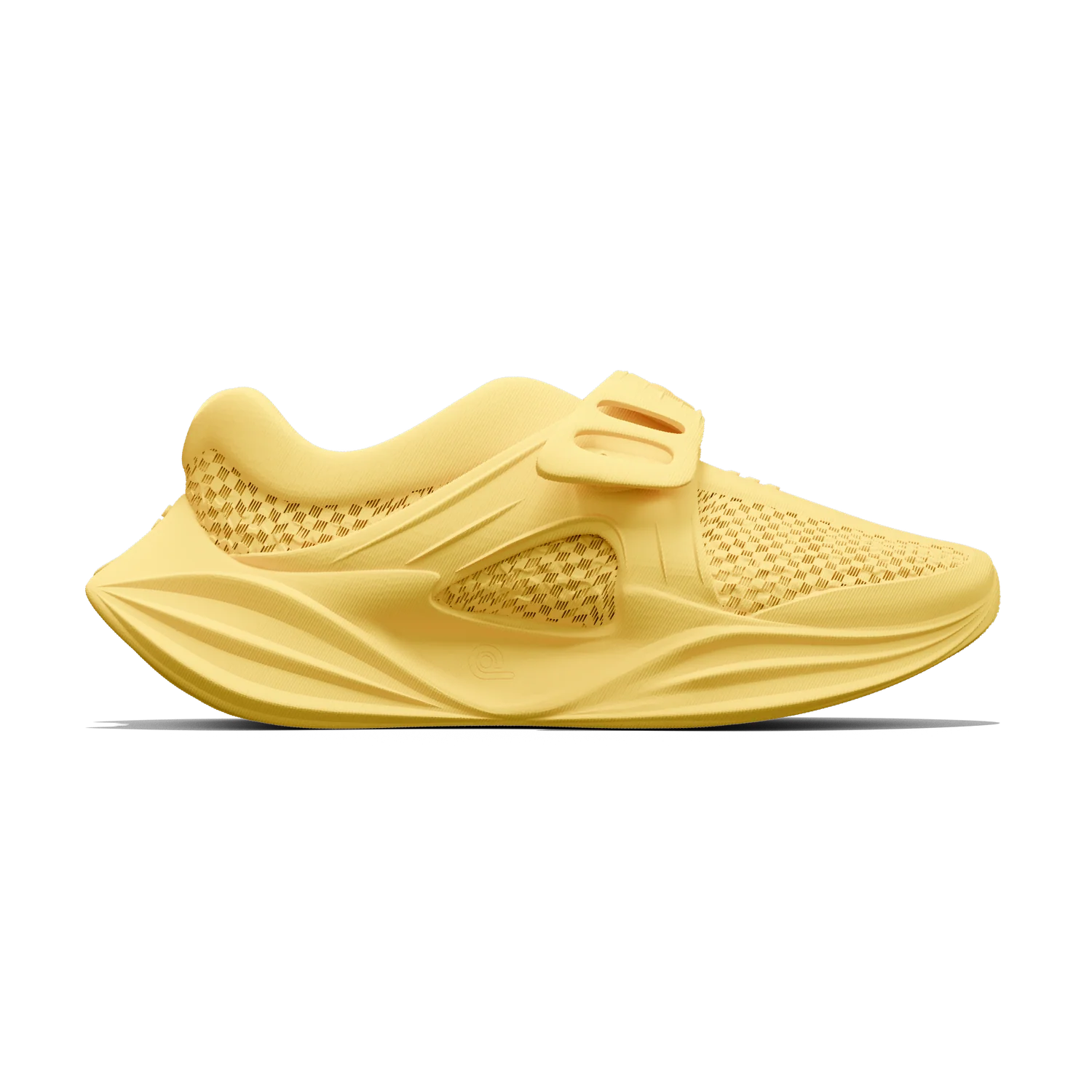
According to Davis, the Eazy PZ’s were designed to embody OverDose’s ‘From Analog to AI’ ethos:
“I came from a time where the game, the culture, and the product were all connected, but ownership wasn’t,” Davis said. “This is about changing that. ‘From Analog to AI’ is about taking everything we grew up on and building it into something new, where creators actually control what they create.”
This aligns perfectly with what Zellerfeld has been building throughout this decade. It also ties in precisely with Davis’s venture capital brand, Business Inside the Game (BIG), which was created expressly to support ‘multi-hyphenates’ like Davis; the BIG website refers to Davis as “the athlete/creator/entrepreneur/investor/founder.”
Indeed, that seems to hit the nail on the head in terms of the value proposition that AM offers for celebrity-backed product launches. Anyone who remembers the fiasco that ensued when the Ball Brothers’ father, LaVar Ball, launched Big Baller Brand back in the 2010s, knows that it’s virtually impossible to stand up an entire sneaker supply chain on your own and have it be competitive, when sneakers are neither your expertise nor your main focus. The same goes for essentially any manufactured good one might try to sell.
By partnering with Zellerfeld, on the other hand, entrepreneurs like Davis can test the waters in the footwear space without having to become full-time sneaker moguls. That also helps capture what’s most lucrative about these types of launches, which is the appeal for consumers interested in limited edition items.
Footwear may be the space where this is most prevalent, currently, but there’s no reason why it couldn’t spread to other product categories, with athletic equipment jumping to mind most immediately. In fact, it will be interesting to see if Davis himself has plans for targeting that market with his BIG platform.
Images courtesy of Zellerfeld/OverDose