
“We are excited to work with Lockheed Martin. This collaboration is a first step for our company into the important US defense market,” said Premium AEROTEC CEO Thomas Ehm. “Furthermore it’s a great opportunity to demonstrate the advantages of Premium AEROTEC’s leading edge 3D-printing products and processes in combination with state of the art combat aircraft technology.”

Now, Premium AEROTEC will be working with Maryland-based aerospace and security company Lockheed Martin, which is also a major adopter of 3D printing in the aerospace industry, to look into opportunities in which it can implement its 3D printing technology into the DoD’s F-35 Lightning II Program, which is also known as the Joint Strike Fighter (JSF) Program.

[Image: Premium AEROTEC]
“We see tremendous opportunity for additive manufacturing to further reduce costs, enhance quality and improve speed across the F-35 enterprise. F-35 production includes the most advanced manufacturing techniques of any fighter jet in the world and partnering with companies like Premium AEROTEC, we will continue to integrate additional automation and additive manufacturing techniques that will ensure we’re always delivering on our cost, quality and efficiency goals,” said Greg Ulmer, the Vice President of Lockheed Martin and General Manager of the F-35 program.
The F-35 features advanced sensors, stealth technology, superior range, supersonic speed, and weapons capacity, all of which combine to make it, according to a Premium AEROTEC press release, “the most lethal, survivable, and connected aircraft in the world.” The aircraft is so much more than just a fighter jet – it has the ability to collect, analyze, and then share data. A “powerful force multiplier,” the F-35 allows the brave members of our military to successfully complete their missions and get back home.
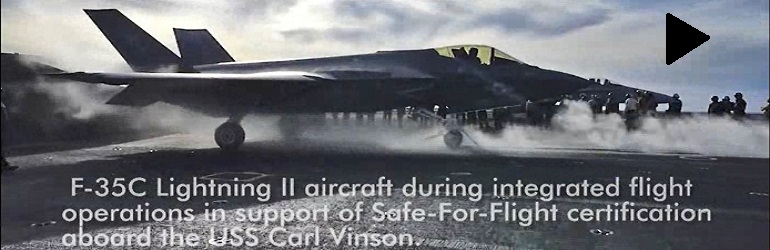
[Image: F-35 Joint Strike Fighter (JSF) Program]
Together, Premium AEROTEC and Lockheed Martin will be working to search for candidate parts in the F-35 that could potentially be fabricated through the use of additive, rather than subtractive, manufacturing processes. As the aircraft nears full rate production, the goal of this collaboration is to continue to lower costs, and improve efficiencies, in order to sustain the operation F-35 fleet.