
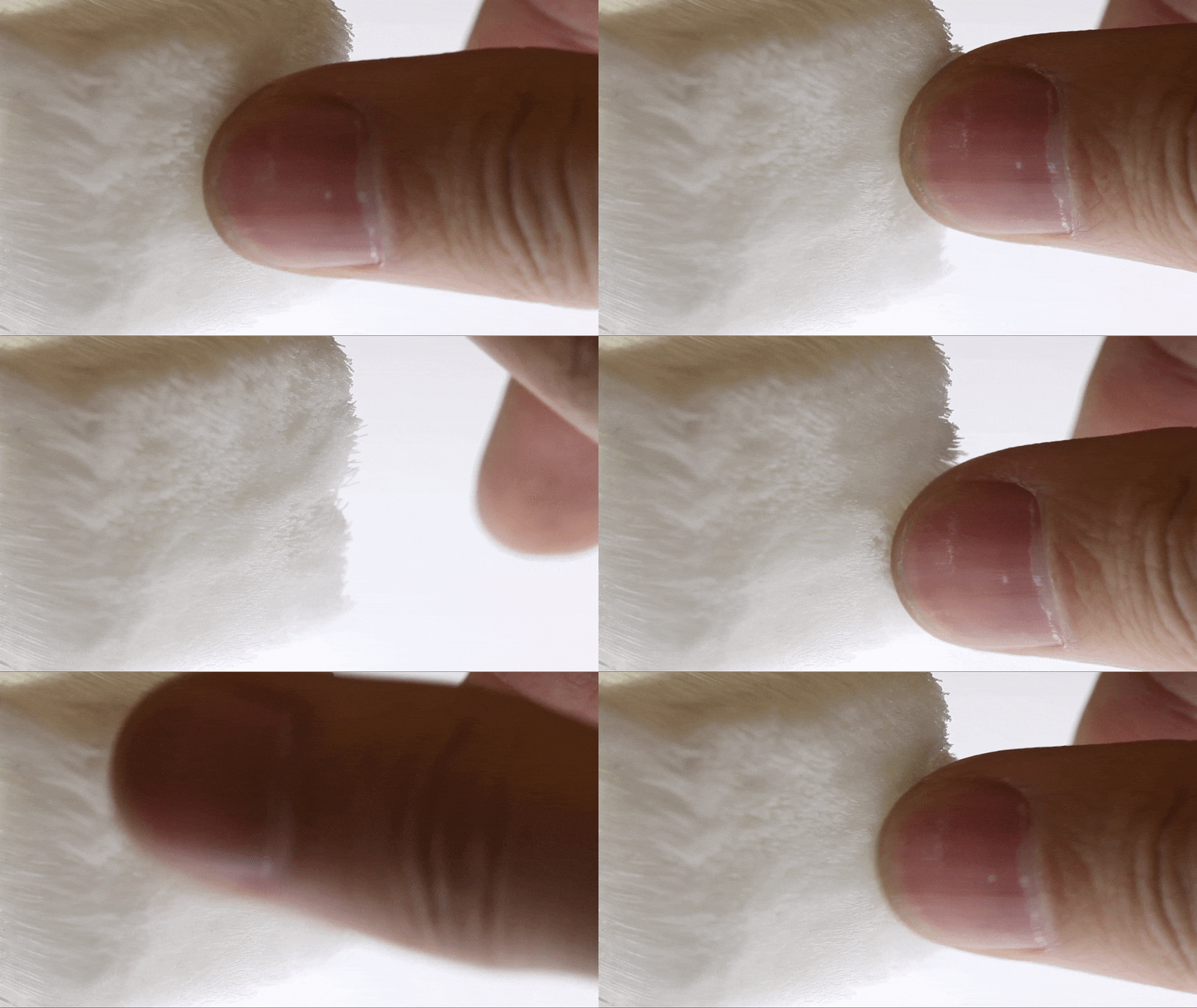
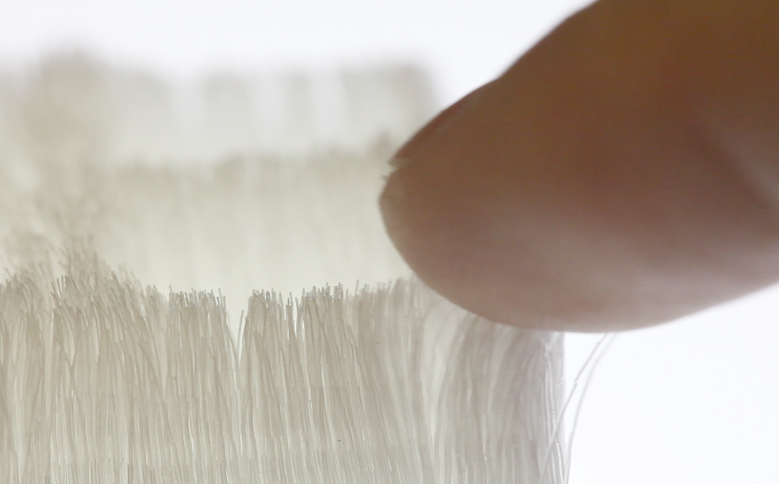
The Cilllia project stands apart from others due to the program’s ability to create thousands of strands of hair during printing rather than just one. The MIT method is multi-faceted, offering all the benefits of 3D printing, beginning with so many customization options. This is another huge difference in comparison to any other projects preceding it, as the hair could feasibly be made with a variety of different far-out concepts with different materials and colors—mimicking today’s latest styles which feature so many different and sometimes outrageous haircuts and hair colors, not to mention a huge array of extensions and other accoutrements.
(Photo: MIT Media Lab)
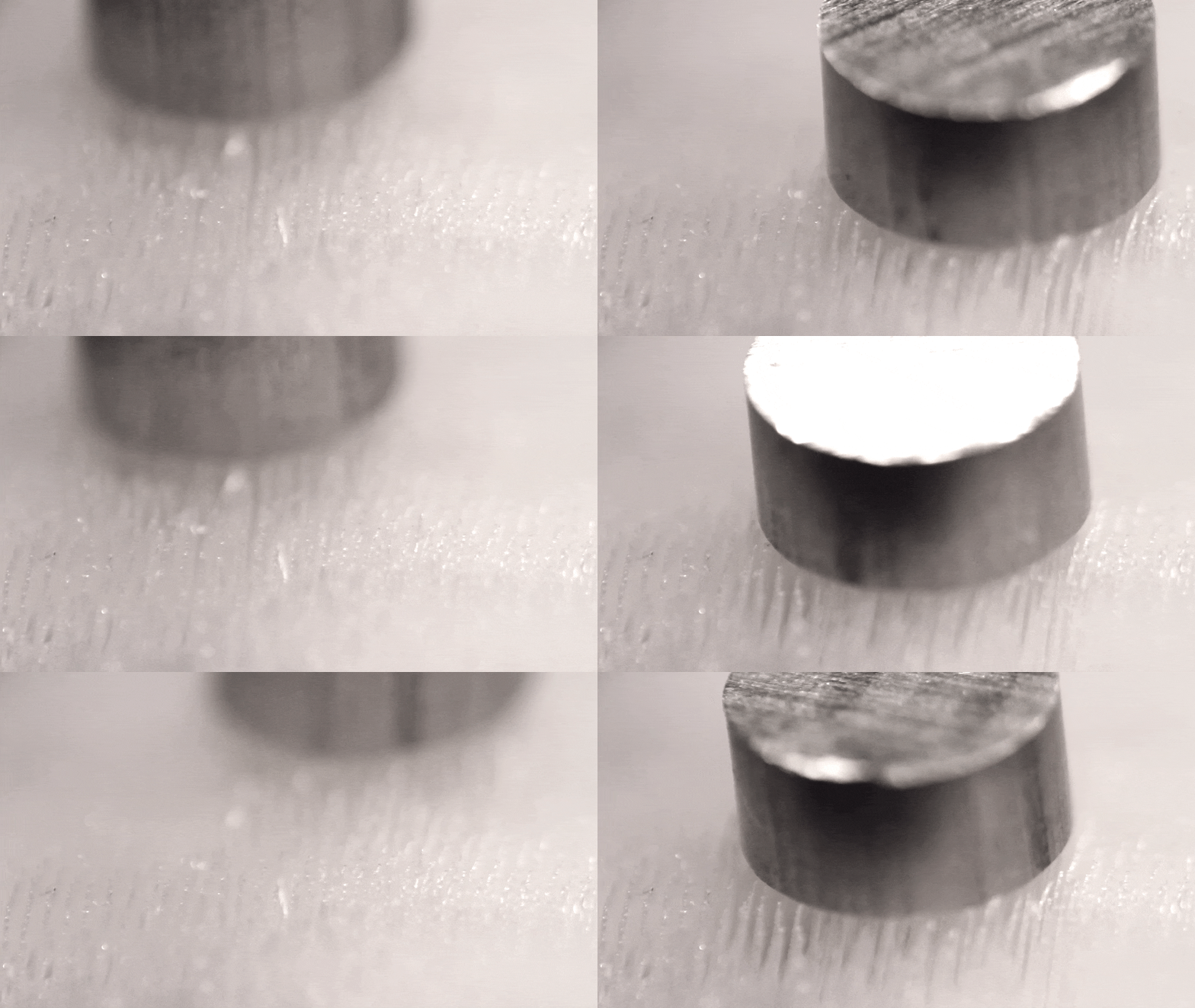
With the Cilllia program, styling at home could be more fun and exciting than ever, as a range of textured surfaces can be fabricated to include different lengths, thicknesses, directions. Like the namesake of the program, the hair is meant to be produced much like cilia, found in areas like our noses and ears, moving as our bodies vibrate or move. The MIT researchers see this type of progressive work in 3D printing translating to many other important industrial applications far beyond whimsical hairstyling though, to include manufacturing with conveyors, fees, and motors, expanding on many different types of ‘vibratory automation.’
3D printing has made impacts in a variety of different cosmetic applications, but hair is an especially interesting and valuable contribution as patients suffering from cancer often lose all their hair and then are left with the option of wearing wigs. We have followed previous stories regarding the use of 3D printed hair, and more specifically 3D printed semi-hairpieces that could be customized. Recent advancements have been made in the use of 3D printing with cosmetic procedures too such as rhinoplasties, also known as nose jobs—with the use of progressive implants and live injected tissue. The science of bioprinting and tissue engineering is also being used to make huge strides in 3D printing skin—and although this may have many fascinating implications within the beauty industry, real impacts could be demonstrated in skin grafting.
What do you think of this news? Let us know your thoughts; join the discussion of this and other 3D printing topics at 3DPrintBoard.com.
(Photo: MIT Media Lab)
(Photo: MIT Media Lab)