From catwalks across the globe to museum exhibits like Manus x Machina, the recent impact of 3D printing technology on the fashion industry has never been more apparent than it is today. Not only has additive manufacturing helped esteemed designers create complex garments, it also allows the garment to be personalized for the body of the wearer. The lingerie industry has taken been especially drawn to the benefits, and some have used 3D printing technology to improve the performance and fit of their undergarments. We’ve recently seen Trusst Lingerie decide to replace their uncomfortable underwire with a 3D printed plastic insert, while German RepRap printers have been used by Anita Dr. Helbig GmbH to create more efficient breast prostheses.
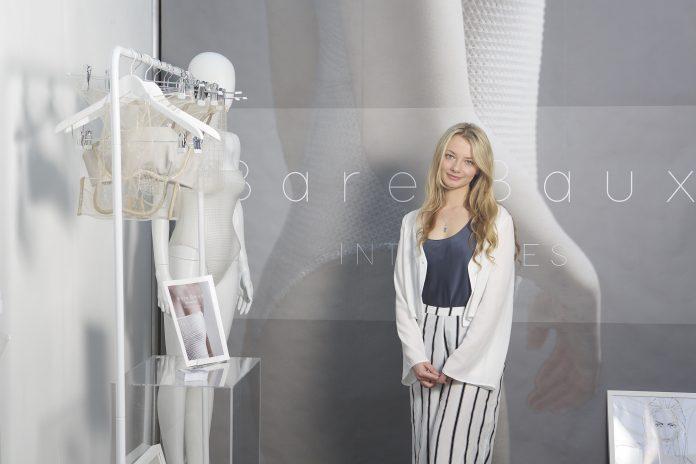
Jess Haughton
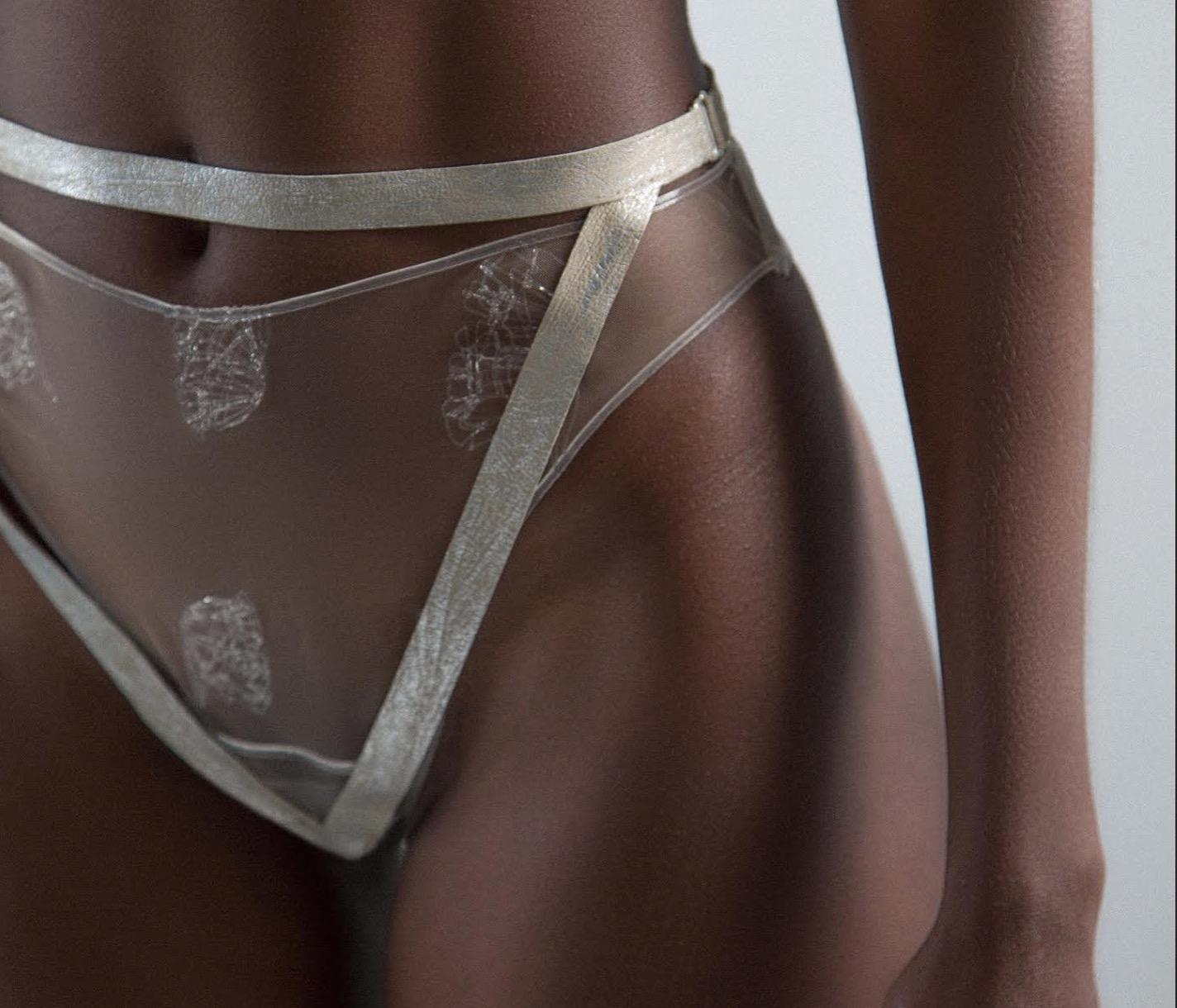
Now, a 23-year-old fashion student from Nottingham Trent University named Jess Haughton is utilizing 3D printing to change the way lingerie is fitted and produced, creating her own collection of custom-fitted lingerie. Haughton has effectively replaced elastic and stitching with 3D printed stretch silicone, which provides a number of benefits over the traditional elastic material. Instead of using the traditional sewing technique, the seams are instead bonded together during the 3D printing process, giving the lingerie a clean-cut appearance. In addition, the 3D printed silicone material is more fatigue resistant than elastic, keeping the garments in shape while preventing degradation.
“It also has an amazing feel to it, and when 3D printed can create more intricate detailing than traditional methods,” said Haughton. “In many ways, when printed onto sheer mesh as a floral pattern, it’s like a modern alternative to lace.”
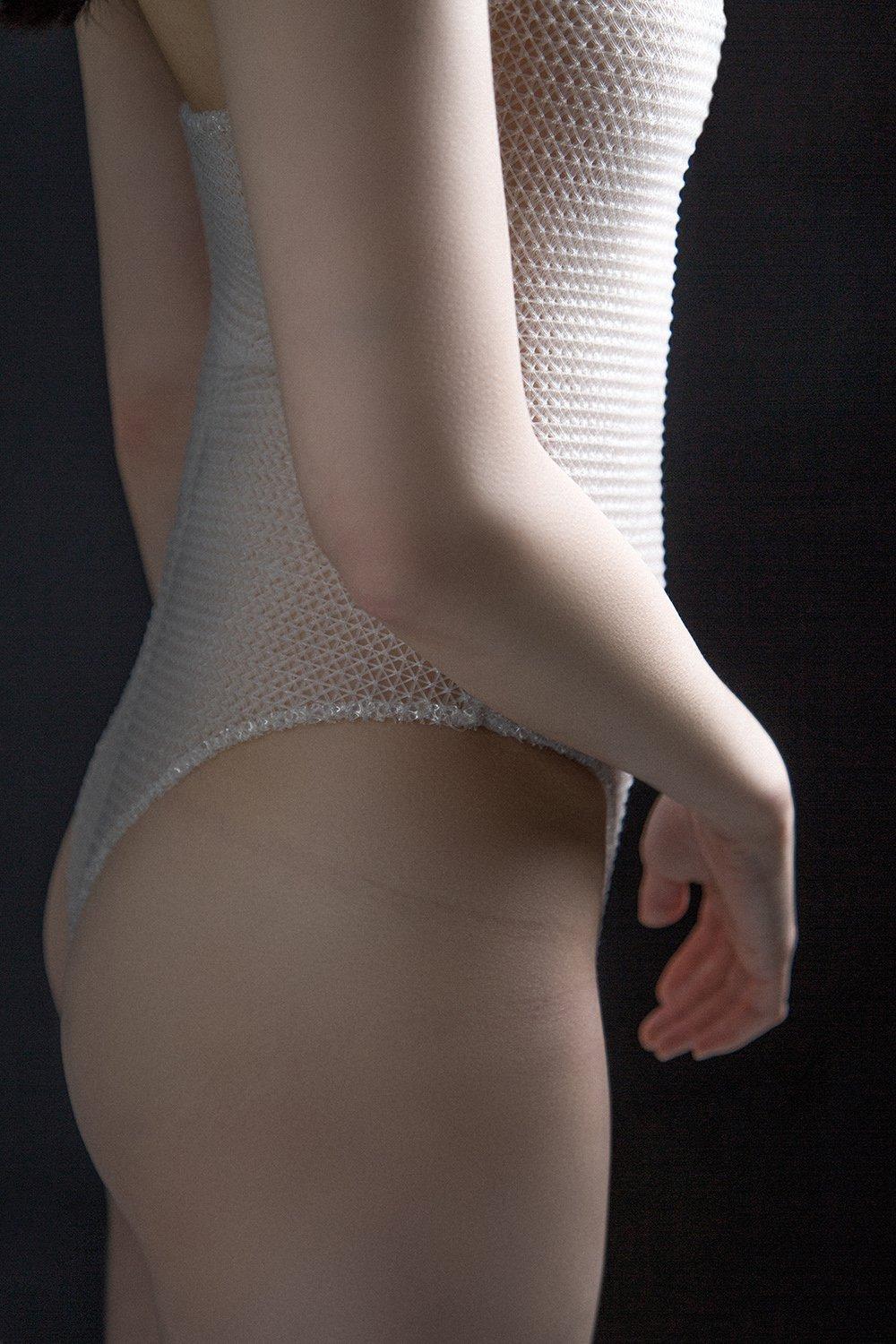
“Women come in all different shapes and sizes, so I wanted to show how modern technology can provide made to measure lingerie for each individual,” said Haughton. “But not only that, I wanted to show how 3D printing could truly modernise the market and create unique looking underwear which does away with traditional materials.”