

Jerry Rhinehart, manager of additive manufacturing management at Delphi, leads a team dedicated to prototyping parts such as electrical connectors, grommets and housings. While additive manufacturing has greatly reduced the amount of time involved in prototyping, it still falls short as product development deadlines get tighter and tighter. With Carbon’s M1 printer, Rhinehart and his team have not only been able to churn out prototypes at a much faster rate, but they’ve been able to create functional prototypes and run part validation testing for the first time.

”We’re excited to expand our work with the M1 to functional prototyping – something we haven’t been able to do until now – and to explore new manufacturing opportunities as a whole,” said Rhinehart. “It’s all about the materials and mechanical properties that we can achieve with Carbon’s technology. Traditional materials only provided about 50 percent of the mechanical properties we need to produce functional and final parts. We’re currently using the M1 on a project to install a batch of connectors and other electrical components into a 25-car fleet this June for road and validation tests.”
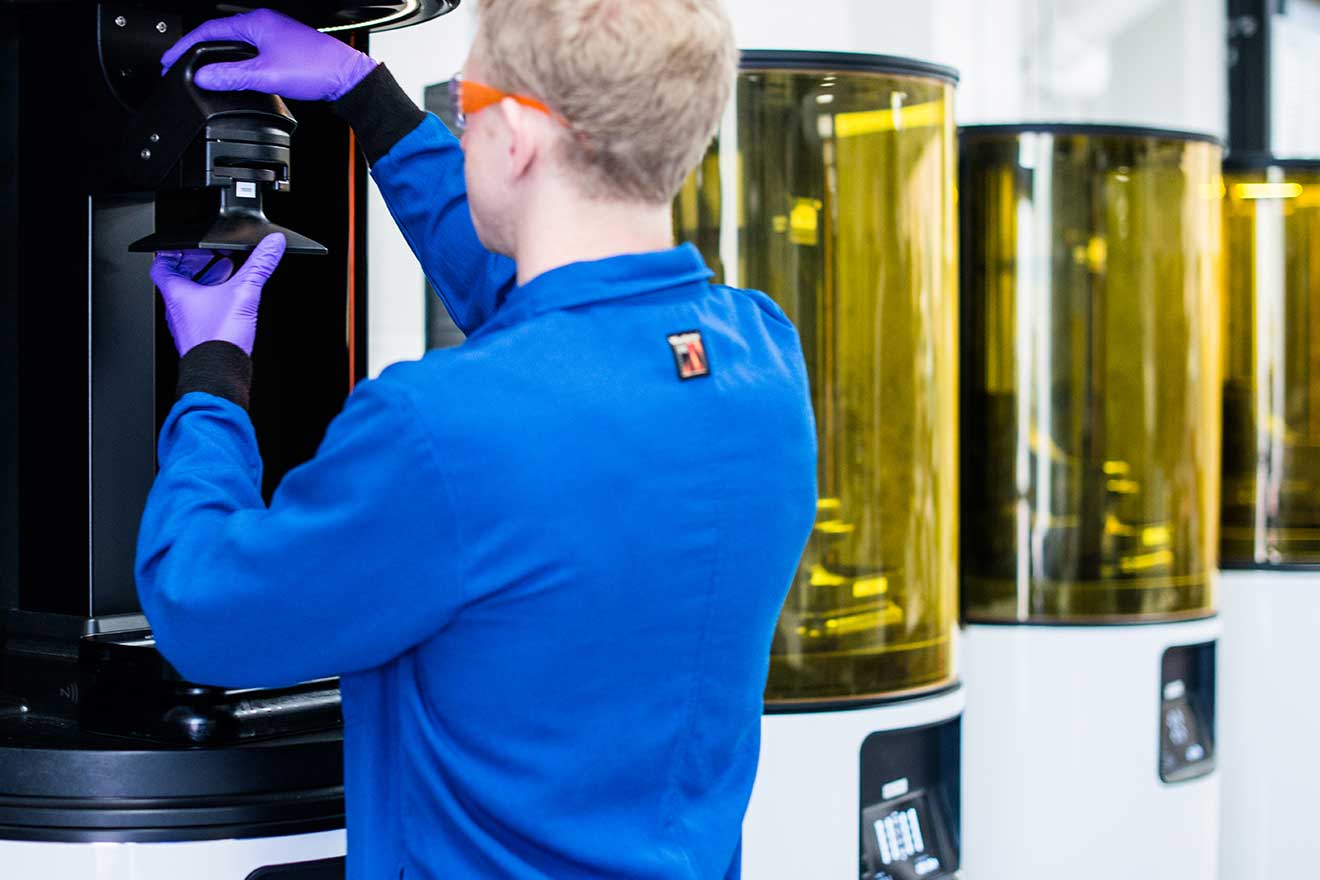
One of the appeals of CLIP technology is that it does away with layer-by-layer printing, resulting in smoother, stronger parts even of a more complex nature. Thus, Delphi can now use the M1 to print parts like electrical connectors, which they previously produced using injection molding. It can take 6-12 weeks to wait for a prototype injection molding tool to be created, not to mention the additional time required if the parts need any redesigns. CLIP opens up a wealth of opportunities for a company like Delphi; rather than being limited to mass production only, they can now look at small to medium volume production, which could open up entirely new markets.
Then there’s the holy grail for manufacturers: 3D printed end use parts, rather than just prototypes. While additive manufacturing has made prototyping much easier and faster, the technology has so far been mostly limited to just that – prototyping. Not so with CLIP, and Delphi is already exploring opportunities for additively manufactured end use parts.
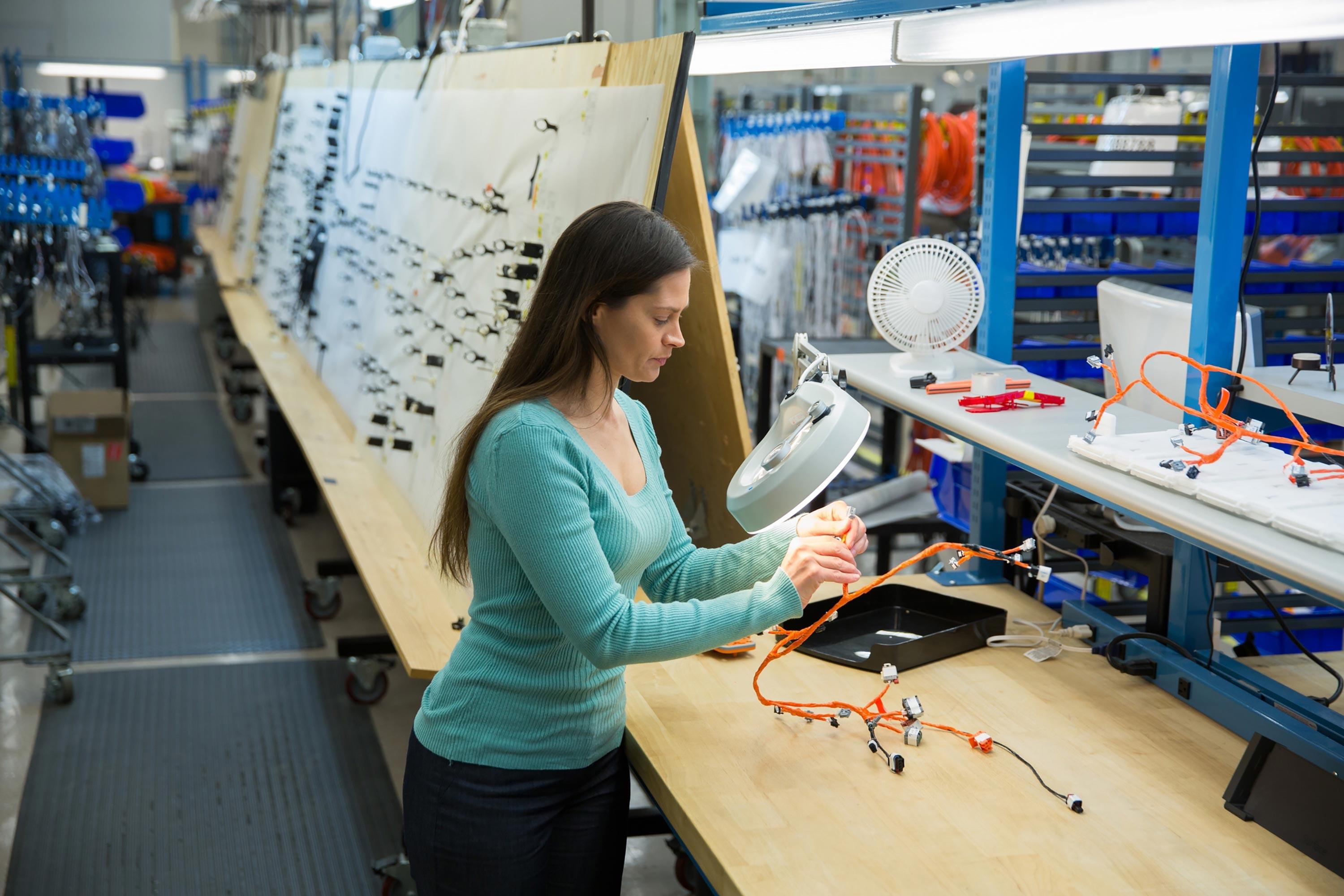
“Engineers can start to re-design parts from the ground up without being constrained by the design rules associated with traditional manufacturing technologies,” said Rhinehart. “They can consider lighter weight parts using internal mesh structures, single assembly parts that will better address sealing needs and reduce overall complexity of product assembly, and ultimately decrease part and product failure modes because of this new design freedom.”
I expect we’ll be seeing a lot more case studies from Carbon as CLIP technology starts to be utilized with more regularity by manufacturers in all industries. If Delphi is any indication, the technology is certainly living up to the hype – which I don’t think will surprise anyone. Discuss further in the Carbon CLIP Technology Used in Delphi for 3D Printing forum over at 3DPB.com.