

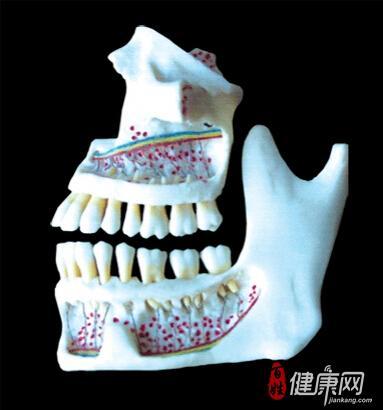
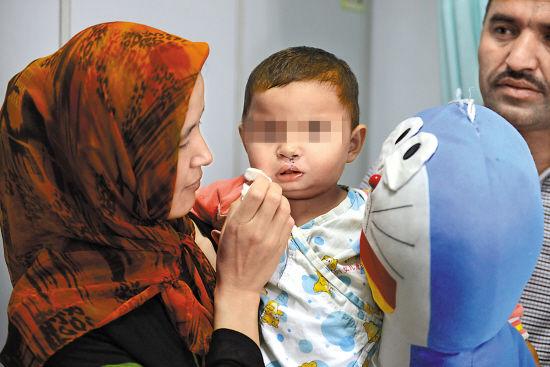
This last week, yet another major surgery has been made possible thanks to the rapidly advancing space. This time the subject was a 3-year-old girl born in Xinjiang, China by the name of Amina Khan. Khan, was unfortunately born with an extremely rare medical condition which left her upper and lower jaws fused together, in addition to other issues such as a cleft palate, palate fissures, and the inability to swallow properly.
“Her teeth have remained closed for more than three years, and she has never been able to open her mouth. She isn’t able to chew food or experience the pleasure of eating normal food. She also is not able to talk like the rest of the children her age,” explained her father, Mohammad Khan.
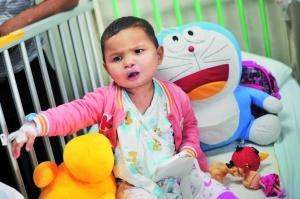
As she aged, it became apparent that something needed to be done, so her father took her to some of the best doctors in the country who then referred them to the Guangzhou Women and Children’s Medical Center, where surgeons evaluated the situation. The medical center specializes in rare and complicated maxillofacial deformities, and Amina’s medical condition was certainly considered rare. In fact, it is estimated that Amina is one of only approximately 100 individuals on the planet suffering from this condition.
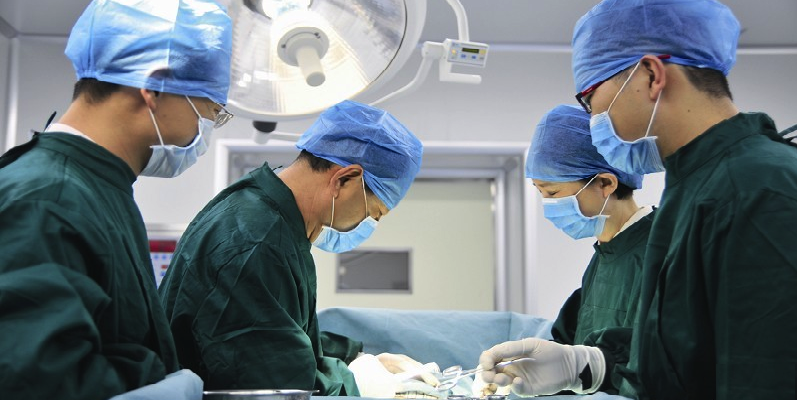
Surgeons at the medical center realized just how delicate a situation they were dealing with, so instead of rushing things along, they decided to use a new technology at their disposal, a 3D printer, to print out a 1:1 scaled model of Amina’s jaw and skull. By doing this, they were able to visualize the procedure prior to actually bringing Amina under the knife. In fact, surgeons used the model to simulate the surgery before actually beginning the real procedure.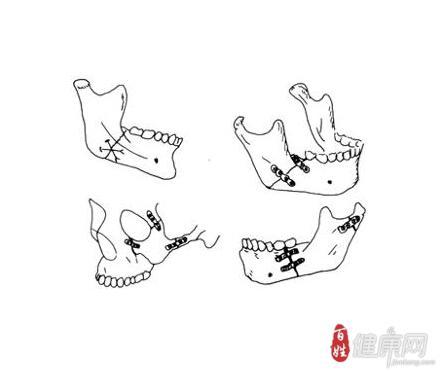

Once it came time for the procedure, doctors were quickly and precisely able to remove a 30mm x 6mm x 8mm segment of bone which was responsible for fusing Amina’s upper and lower jaws together. They then transplanted her own periosteum (a membrane which covers the surface of a bone) on top of the recently cut areas. This was to prevent the bone from refusing together later on.
When all was said and done, the surgery was a smashing success. Amina’s hospital stay was just three days, and she will now is able to move her jaw and open her mouth like any ordinary girl her age. Future surgeries will be required, however, in order to repair other facial deformities, and training will be required so that she can catch up to her peers from a language standpoint.
If it was not for 3D printing, it is very likely that surgeons would have either refused to operate or would have placed the 3-year-old girl in greater danger. Thanks to these rapidly advancing technologies one toddler will now live a relatively normal life. What do you think about this incredible surgery? Discuss in the 3D Printing Used to Separate a Jaw forum thread on 3DPB.com.