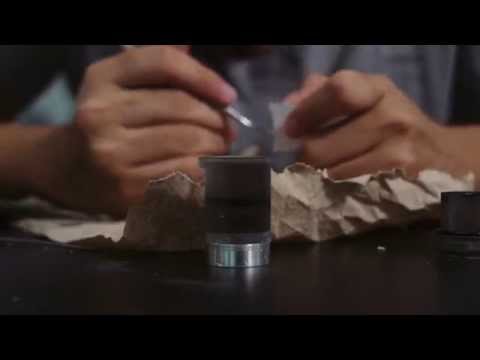
While we’ve all heard of newfangled and less invasive devices being created for diabetics and those who have to deal with needles on a daily basis, absolutely no one would argue that jabbing at the mainstream bloodstream needs a pain-free method.

A 3D printed cylinder may be the savior for relieving needle-induced stress, according to the students who have developed a process that doesn’t take the needle away, but it does remove the associated pain. Attacking the central issue, they’ve designed a numbing process, and taken a cue from the much revered Pink Floyd anthem ‘Comfortably Numb,’ for their name—which couldn’t be more perfect.
While the 3D printed ‘Comfortably Numb’ device is still a work in progress, the eventual goal is to have it be an all-in-one numbing device and shot. For now, it’s used almost like an extreme cold pack that numbs the site just before the shot—any of us who remember the old days of piercing an earlobe with ice and a needle can relate to this simple concept.
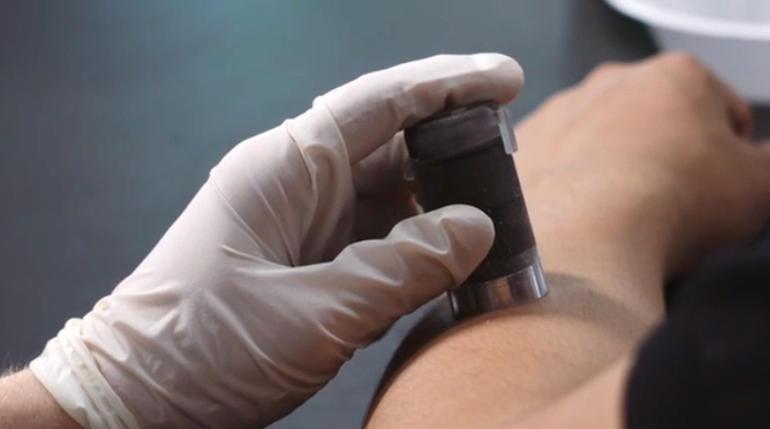
The Comfortably Numb device will be significantly less expensive, at $2 per disposable device, than other solutions like sprays and creams. Because it numbs faster and works more quickly, students have created a product that solves affordability and efficiency issues for medical professionals and patients both.
The team, all first-year students (and classic rock fans) at Rice, consists of: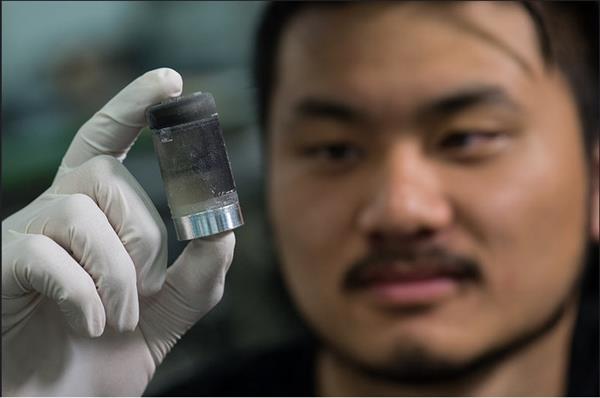
- Greg Allison (computer science major)
- Andy Zhang (bioengineering major)
- Mike Hua (mechanical engineering major)
“Because we don’t have these incredibly refined skills in certain areas…that meant that we had to think of very simple solutions,” computer science major Greg Allison said in a statement. “Being limited in that way led to something that is very novel and innovative but at the same time simple and elegant.”
They are still examining the complexities of producing a more comprehensive design that would include the needle as well, and currently have applied for a patent for their design.
“We are targeting anyone who has to get an injection, which is nearly everyone,” Allison said. “But the device is especially applicable to people who are more susceptible to pain,” he added.
Allison points out that the device would be especially helpful for those receiving injections in sensitive areas like the groin or face. It would obviously be a device that could transfer over into other areas famous for requiring customers to endure minor pain like that involved with tattooing and piercing.
Is this a device you would welcome? How do you think it would appeal to children? Tell us your thoughts in the 3D Printed Numbing Device forum over at 3DPB.com.