
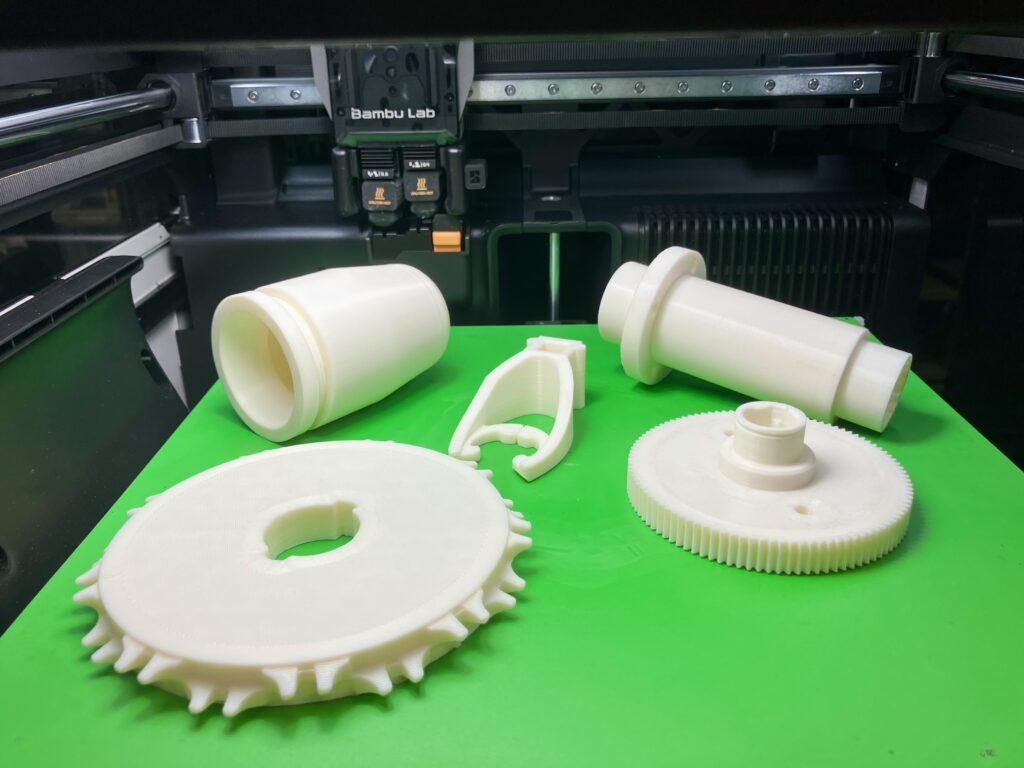
For many years, LEHVOSS has made specialized 3D printing materials such as high-temperature polyamide and high-flow PEEK. Now it has teamed up with MORSAN to develop a 3D printing offering for the food and beverage industry. Specifically adapted to parts with “mechanical loads, aggressive cleaning environments, and permanently high cycle rates in filling and packaging lines,” they’ve now made a spare parts offering. Greek company MORSAN now offers a digital warehouse solution for hundreds of spare parts. The company is not only replacing parts one-on-one but also offering improved parts. It is also redesigning them for specific load cases to improve their performance.
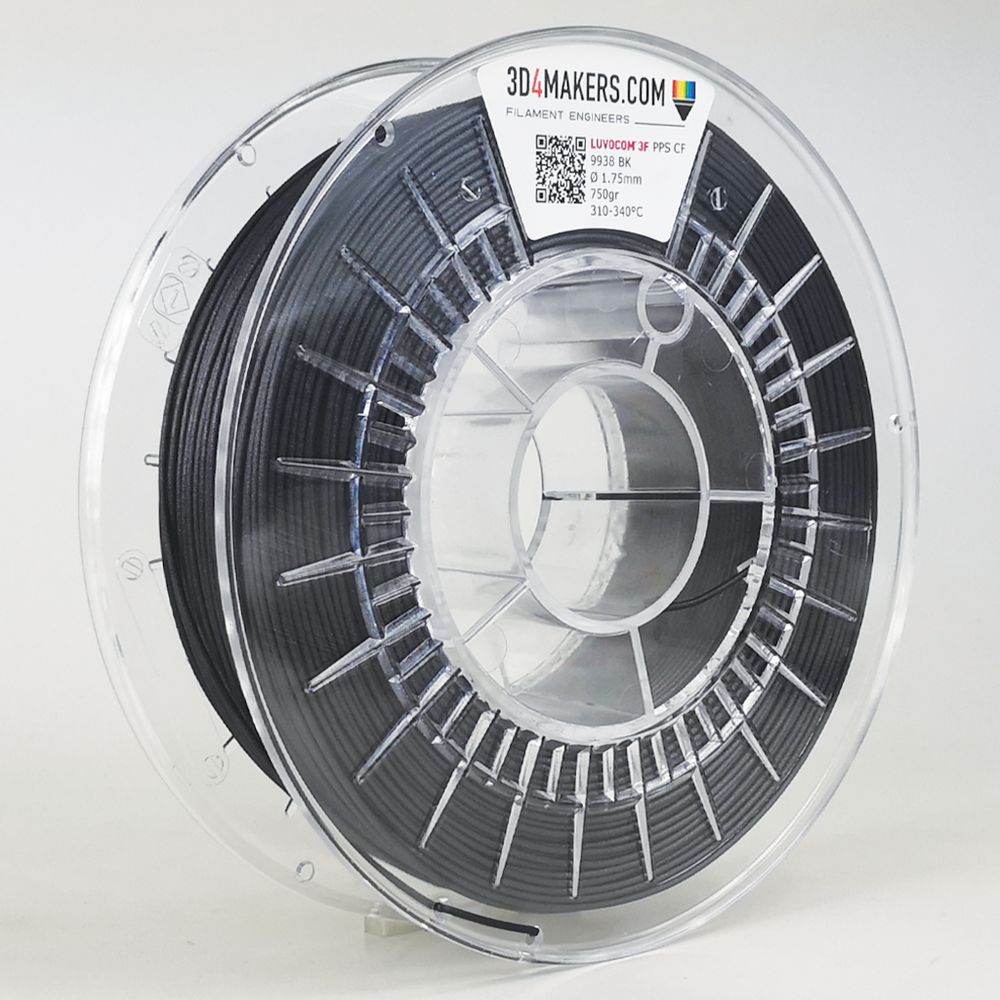
MORSAN uses LUVOCOM extrusion materials, specifically the LUVOCOM 3F range. The company uses the PPS, PA, and PET materials for that range. The company makes conveyor belt gears, conveyor chain guides, grippers, and beverage can slides. These kinds of parts are being 3D printed all over the world by many industrial companies. They’re rarely talked about. In one illustrative case of an Australian one man beverage company we were able to show you a lot of these applications. In that case, we saw 3D printing used to make a filling machine, he makes spacers for production lines, a machine to apply six-pack rings, a depeletizer, and more. Many companies worldwide need improvised, improved, and spare components on production lines. This is a great market for MORSAN to explore.
Christos Adam Morsy of MORSAN explains,
“For us, 3D printing is not an experiment — it is an integral part of modern production and
maintenance strategies. By combining digital part availability, short production lead times, and high-performance materials, we can help our customers reduce downtime. In the next step, we will enable our customers – via new software solutions — to manufacture spare parts on site, no matter where in the world.”
Dr. Marcus Rechberger, Product Manager for LUVOSINT materials at LEHVOSS, said,
“MORSAN’s concept shows where 3D printing is headed. In prototyping you certainly need generalists, but in industrial printing you need a clear focus on markets and processes in order to work out the advantages of 3D printing.”
I love the idea of industry-specific digital supply chain offerings. Make sure you act according to their needs, understand their needs, understand and follow their standards, make good parts, design well, print well, and do good QA, and you can build an unmissable business. Some customers will do this themselves, but if you don’t overcharge, then you can build a nice market for yourself. CAD and Dfam capacity is limited, and making functional, certified parts is still hard. I love what MORSAN is doing here and think that more people should do the same.
There are so many similar businesses in the additive industry. So many materials companies and now so many people want to start print farms. I think that a design-centric business that can print parts to spec and standards would be much more valuable. If they trust you and rely on you, they’ll let you have margin as long as you don’t fail them. But if you’re just one of many print farms, it may be difficult for you to stay ahead on pricing. But if you have a path to certification, FEA, or other tools for designing parts well, and you understand the market’s business drivers, and they are relatively affordable, why would they change? The biggest firms may develop an internal capacity, but for many, it will be cheaper and perhaps better to have an external party that is more specialized to do it well for them. More firms should find big markets and serve them well with spare parts services such as MORSAN.