
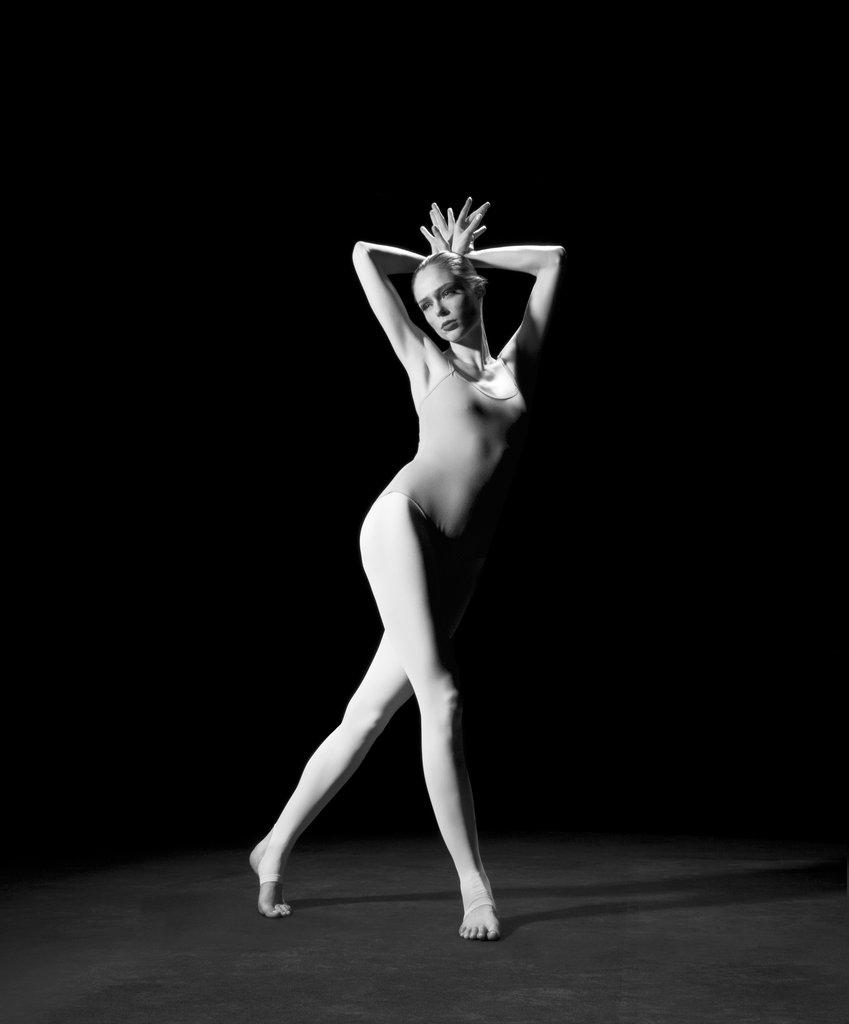
The model, dressed in a white leotard/body suit is illuminated like the moon in a dark sky; nearly brilliant on one side, and falling quickly off into black, creating a unique contrast between two-dimensional outline and three-dimensional modeling. The tension between surface and form is so tightly constructed that it nearly vibrates.
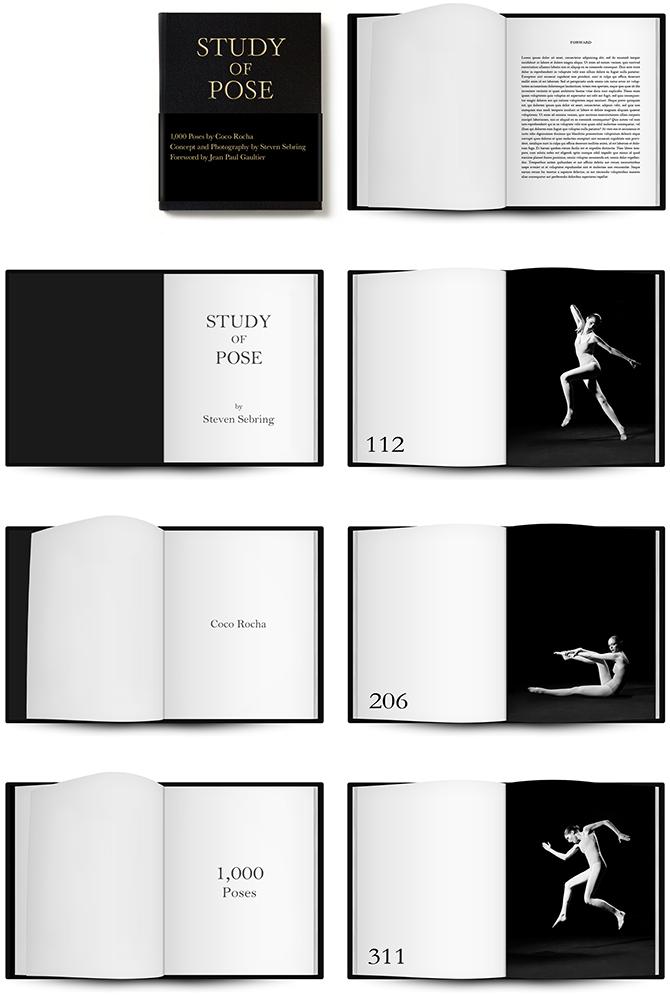
The three-dimensional nature of Rocha’s poses is offered to the viewer for exploration in a variety of ways. The exhibit itself, located at the Milk Gallery in New York, features a table of iPads that support interaction with an iOS app created for Study of Pose. In addition, projected larger than life is a floor-to-ceiling television screen installation that shows the images of Rocha in a stunning version of the stop motion film genre. For those who can’t make the exhibit, you can explore the poses online.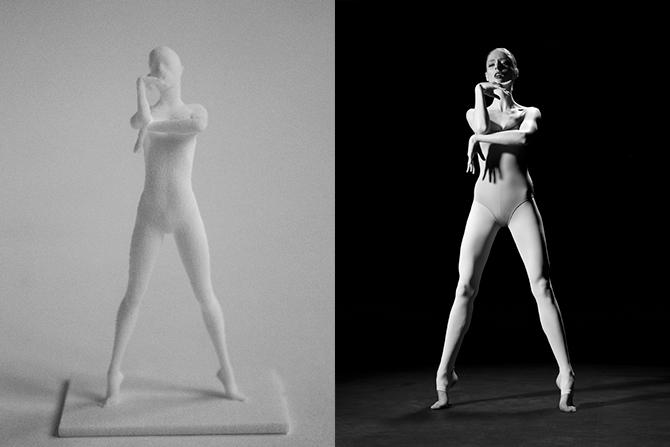
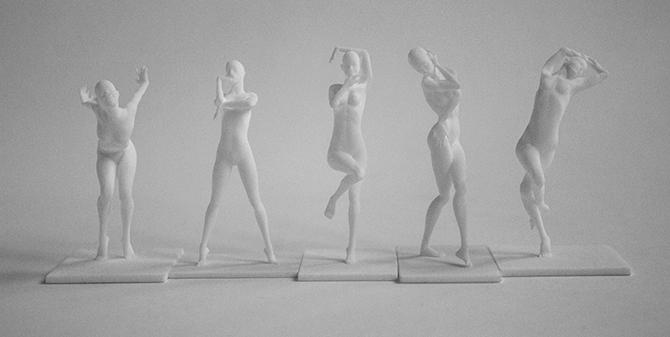
There are works of art created using the Study of Pose images as inspiration and, of course, 3D prints of Coco’s poses (which sounds like an excellent name for an Indie rock band.) In all, 500 prints were made of the poses, in collaboration with Shapeways. The 3D prints were possible because of the enormous amount of data captured by the camera rig. Rather than having a 3D scanner to capture the data, the circle of cameras Sebring assembled acted the part.
The images convey glamour simply in their medium, stark black and white being associated so strongly with artist photographers such as Brandt, Brassai, and Steichen. The figurines, made of plastic — a material so often used for the creation of cheap, mass-produced items — here are the result of cutting-edge technology and high-art.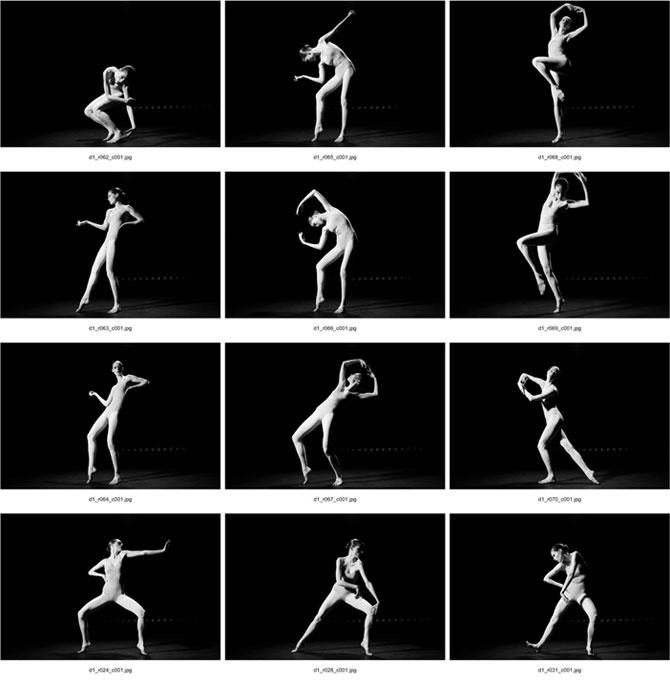
Sebring’s work is reminiscent of the motion studies produced by Eadweard Muybridge and in his time with Rocha, he pulled from the distant past to the near present for pose inspiration, as he explained in the introduction to the book:
“When Coco poses, there is a story being told with every gesture. To me, that’s story telling at its most basic and beautiful. We covered all the classic poses from art history, and then moved into iconic poses from fashion and film. We also covered all manners of dance movement, from ballet to Elvis and everything in between.”
This type of project will most likely inspire not just imitation but innovation as artists continue to explore the relationships between past and present, digital and physical, and body and mind; sometimes discovering that the distance between those binaries isn’t nearly as great as they had supposed.
Let’s hear your thoughts on this creative 3D printed form of art, in the Coco Rocha forum thread on 3DPB.com.