
Last May, our team at 3DPrint.com collaborated on a series of predictions for the remainder of 2014. As you may have seen, many of our predictions were spot on, while others were pretty downright awful. I thought that since 2014 was coming to an end it was time for another series of predictions for 2015 and how I think it may shape up from a 3D printing standpoint. These are mostly my personal opinions, though I did try and take into account trends, our team’s thoughts, and my crystal ball that my Great Uncle Borris gave me several years ago. Here you have it, my 2015 3D Printing Predictions:
3D Printer Units Sold to Top Estimates by a Wide Margin
Gartner has predicted that a total of 217,350 3D printers will be sold in the coming year. They have also predicted that by 2018 worldwide units shipped will exceed 2.3 million. I personally feel that this timeline will be moved up by as much as 12-18 months. The rapid innovations we are seeing within the industry, as well as a handful of sub-$300 3D printers (including M3D’s The Micro, and New Matter’s MOD-t), will make 3D printers as affordable as any video game console on the market today, or any 2D printer which was on the market a decade ago. If a sub-$300 3D printer can make its way onto the shelves of a major department store like Walmart or Target in any large quantity prior to the holiday season next year, we could see Gartner’s estimated numbers for the year nearly double. I’m predicting nearly 400,000 3D printers sold in 2015.
At Least One Major Acquisition of a 3D Printing Market Leader
I predicted it last year, but I may have been a bit ahead of myself. I am predicting that one or more of the following publicly traded companies will be acquired by a larger corporation before the end of 2015: 3D Systems, Stratasys, ExOne, voxeljet, or Organovo. I will not speculate as to who the acquiring company/companies may be, but 3D printing is the future, and as several major tech and pharmaceutical corporations look to enter the market, an acquisition may be their best route.
SLA Desktop 3D Printer Sales Will Increase Faster Than Those of FDM/FFF Printers
Currently the majority of desktop 3D printers use FFF or FDM technology to melt thermoplastics and other materials as they are extruded from a hotend. Up until this point I would estimate that approximately 95% of all desktop 3D printers within homes and offices 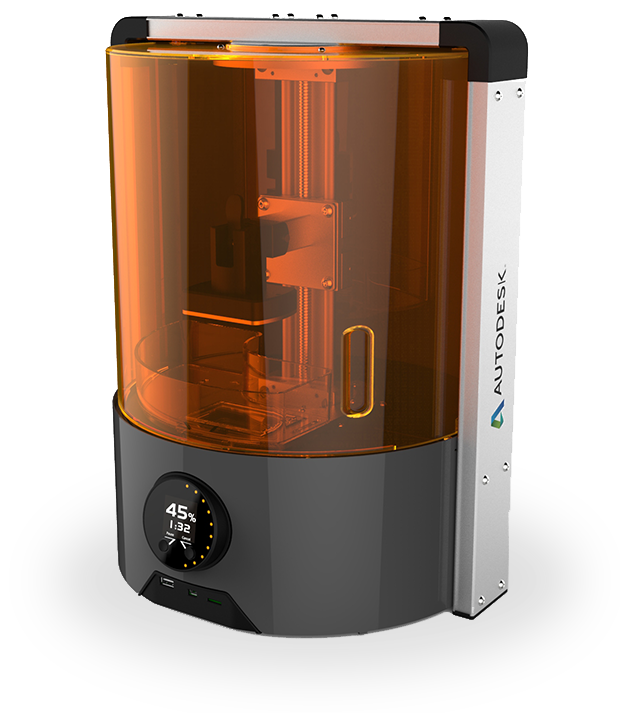
With Autodesk getting involved with their Ember 3D printer, and a few other companies about to launch that utilize SLA technology within their printers, we should be off to a good start to 2015. It will be important to watch and see how 3D Systems tries to defend their patents in this area, as they will have the power to limit the market for at least another couple of years prior to patent expiration.
A Major Corporation Will Enter the Market in a Big Way
Yes, this prediction is rather vague; however, I will venture to guess that by the end of 2015 HP and Autodesk will not be the only companies valued at over $10 billion to have either announced their entrance or entered into the 3D printing space. There are many possibilities. I do not think Apple will be one of these companies, and Google may enter in some capacity but from a software & services standpoint only. There are dozens of big name tech companies out there that have shown hints of interest, as well as several major pharmaceutical companies that may enter the bio-printing space before the year closes out. As to which companies these may be, I’ll leave that to you to use your imagination.
A Materials Explosion!
I have always said that the materials sub-market within the larger 3D printing market is as important to the industry as the printers themselves. In 2014 we have seen numerous new 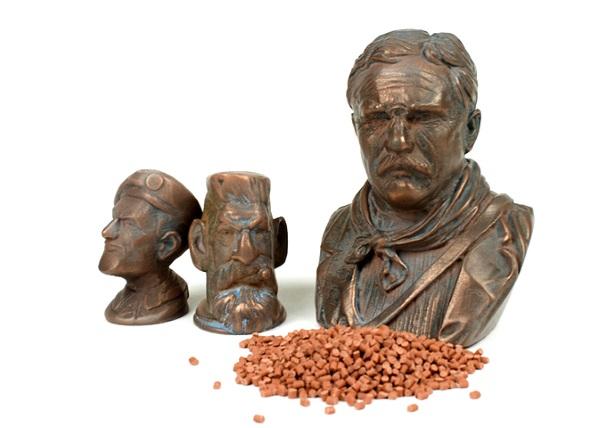
There you have it. My thoughts on where the 3D printing industry is headed over the next 12 months. Follow along throughout the year to see how I am faring, and provide your feedback and your predictions for next year in the 2015 3D Printing Predictions forum thread on 3DPB.com.