There is perhaps nothing more encouraging in the customizable world of 3D printing technology than its medical applications. With the recent announcement of these completed surgeries after the May 2014 FDA approval of Switzerland-based Medacta’s MySpine Patient Matched Technology , both spinal patients and their doctors should feel encouraged. Spinal surgery just got another big boost from 3D printing, and there’s hope both for those suffering from debilitating spinal conditions as well as the surgeons who perform these procedures.
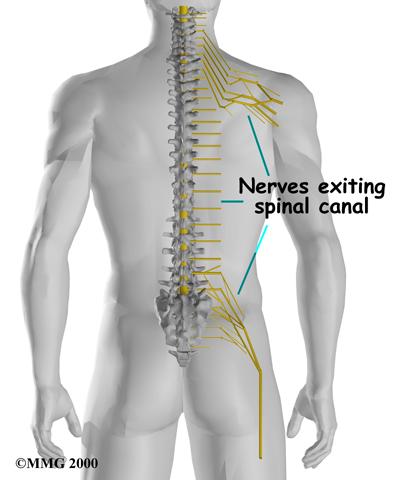
The spinal cord is the main part of the body’s central nervous system. It is important because it conveys signals from the brain to the body’s nerves. In a nutshell, it controls your ability to move. This is precisely why spinal surgery is such a sensitive undertaking. A good spinal surgery can diminish pain and improve mobility, while a bad spinal surgery can increase pain and immobility. Improper spinal care can also lead to paralysis in some severe cases.
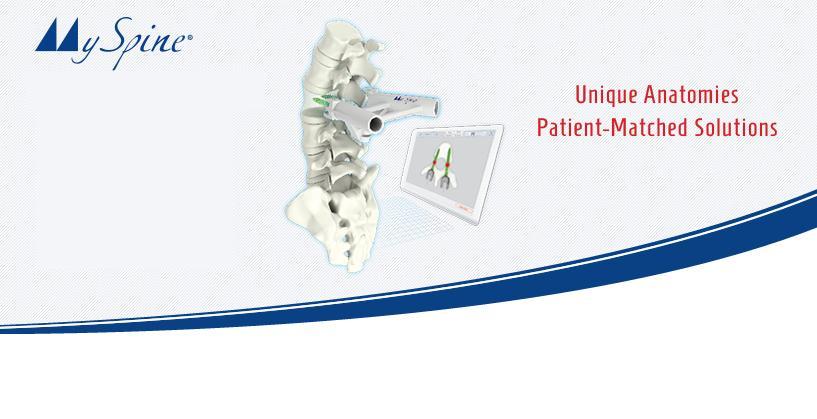
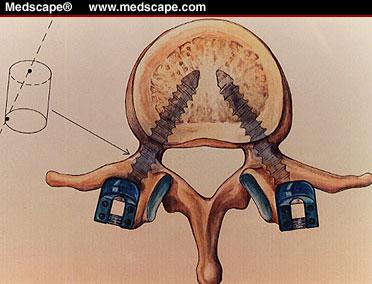
While Medacta’s first foray into 3D printing technology was in the widely used MyKnee product line, the key to their latest medical innovations isn’t actually a key–it’s a screw. The pedicle screw, used to support deformed spines, is the most commonly used tool which is also notoriously difficult during surgical placement. Good news: 3D printing technology is facilitating better placement of these common spinal screws. In a clinical study using MySpine, which is paired with Medacta’s M.U.S.T. pedicle screw system, no clinical complaints were reported about the 76 implanted screws.
![medacta_usa_grande[1]](https://3dprint.com/wp-content/uploads/2014/11/medacta_usa_grande1.jpg)
It is easy to see how these new customizable tools can greatly improve spinal surgery outcomes. Perhaps this is why the 3D printed MySpine was recently recognized as the Best New Technology in Spinal Care in 2014 by the publication Orthopedics This Week. These enhanced tools promise to improve patient satisfaction and physician performance, using the “tailor-made patient-specific guides for the spine vertebrae utilizing proprietary CT scan algorithms and sophisticated 3-D medical printing technology. ”
We have seen the use of 3D printed guides created for other surgeries in the past, and we will surely see more in the future. What do you think about these latest developments? Discuss in the Medacta USA forum thread on 3DPB.com.