
Speed and ease in operation set this new device apart, created on the DragonFly Pro 3D Printer. It was then assembled and tested in less than a day; in fact, Nano Dimension states that it was ready to go within 18 hours—demonstrating speed in production that is a stunning 90 percent faster. Using conventional methods, this type of production would usually take around two weeks, at least.
The IoT device is operated by remote control and is smaller than a one-dollar coin, at 16 x 33 x 1.6mm. The concept was designed to help with routers in smarter homes, connecting in a more streamlined manner with kitchen appliances, electronics like TVs, air-conditioning thermostats, and more. The device could transcend much further, however, than just alerting homeowners to a milk supply that is running low in the fridge; essentially, its most basic form is that of a printed circuit board, but it could be helpful in much more high-level, complex design work with manufacturing of parts for autonomous cars.
“An ever-greater emphasis is being placed on smart cities, smart buildings, smart homes and smart products by industries and consumers alike. Our solution enables companies to speedily trial and finalize their prototypes in just one day without compromising on quality or performance. They no longer must wait over a fortnight to understand whether their smart device works or not. This ultimately increases product and cost efficiencies and reduces time to market, which means that the consumer can enjoy the benefits of these products faster than ever before,” states Amit Dror, CEO of Nano Dimension.
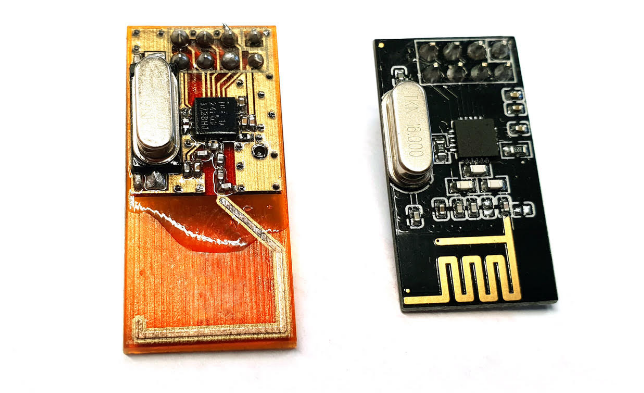
Their design team also expects the device to be available as both a transmitter and receiver—offering a two-way communication device to users. The Dragonfly Pro can make smaller and more efficient electronics and circuit boards. In their latest press release, Nano Dimensions details some of the other applications unique to this 3D printer, such as:
- The transceiver – for transmitting and communicating, in a two-way device
- The multilayer PCB torque sensor – to assist in creating sensors for almost any device
- The RF amplifier – amplifies signals for portable devices and other vehicles like drones and satellites
While Nano Dimensions expects this device to be ready for use for smart homes and other products soon, it is still in the qualification phase.
Undeniably, we are living in a smarter world, as technology progresses beyond our wildest dreams—and 3D printing has certainly had much to do with that. Allowing for infinite freedom in design, 3D printing is also a technology that integrates well with others, such as the Internet of Things—allowing for greater efficiency, expansion with electronics, and innovation in manufacturing. What do you think of this news? Let us know your thoughts! Join the discussion of this and other 3D printing topics at 3DPrintBoard.com.
