

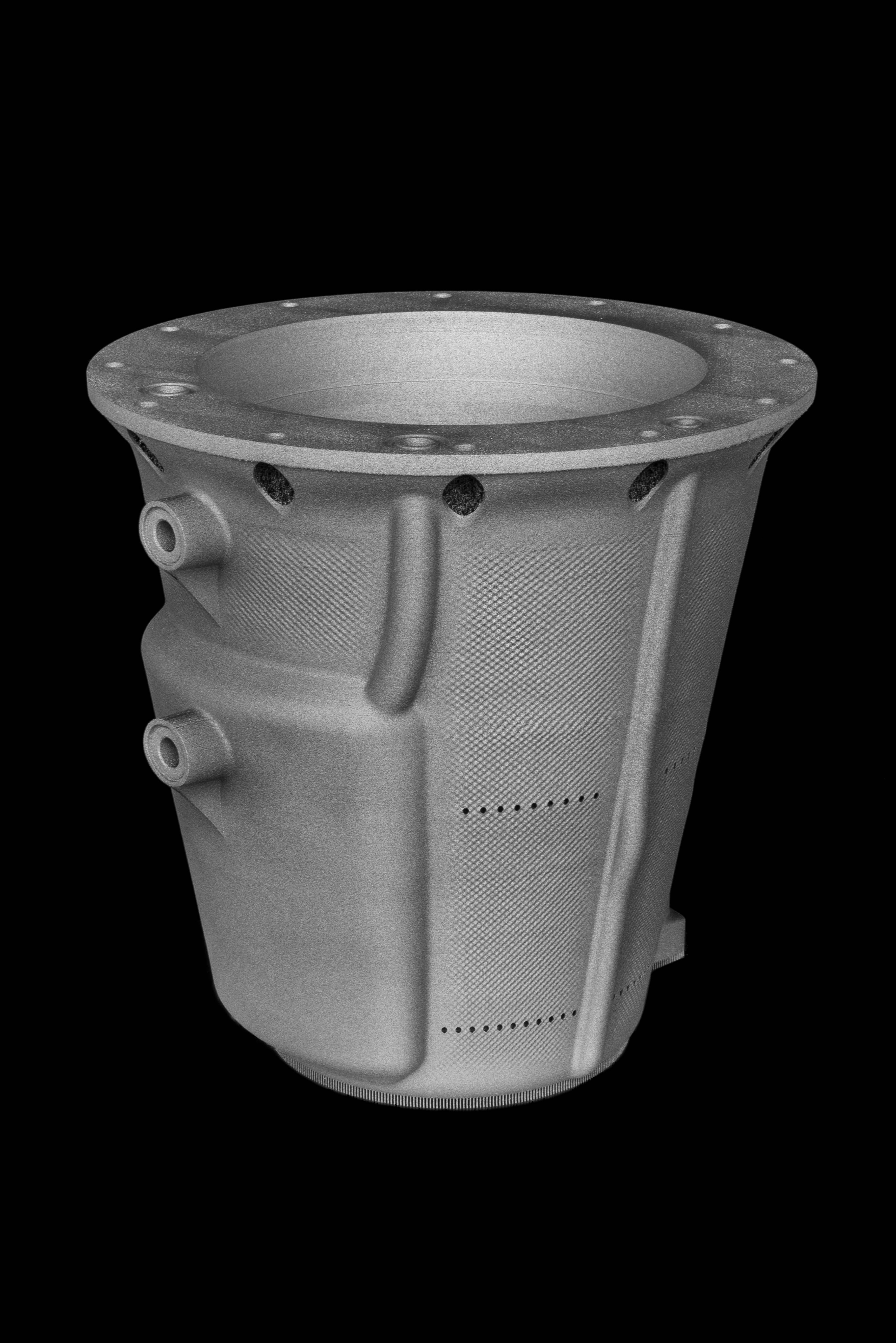
Within Safran’s Power Division, Dr. Mark Craig, the Materials, Special Processes and Composites Company Expert, works to coordinate additive manufacturing solutions.
“We came across Betatype in a search for 3D printing specialists and it was clear after our initial discussions that they had the knowledge and skill-set we were looking for to add value in our new part production programme,” he said.
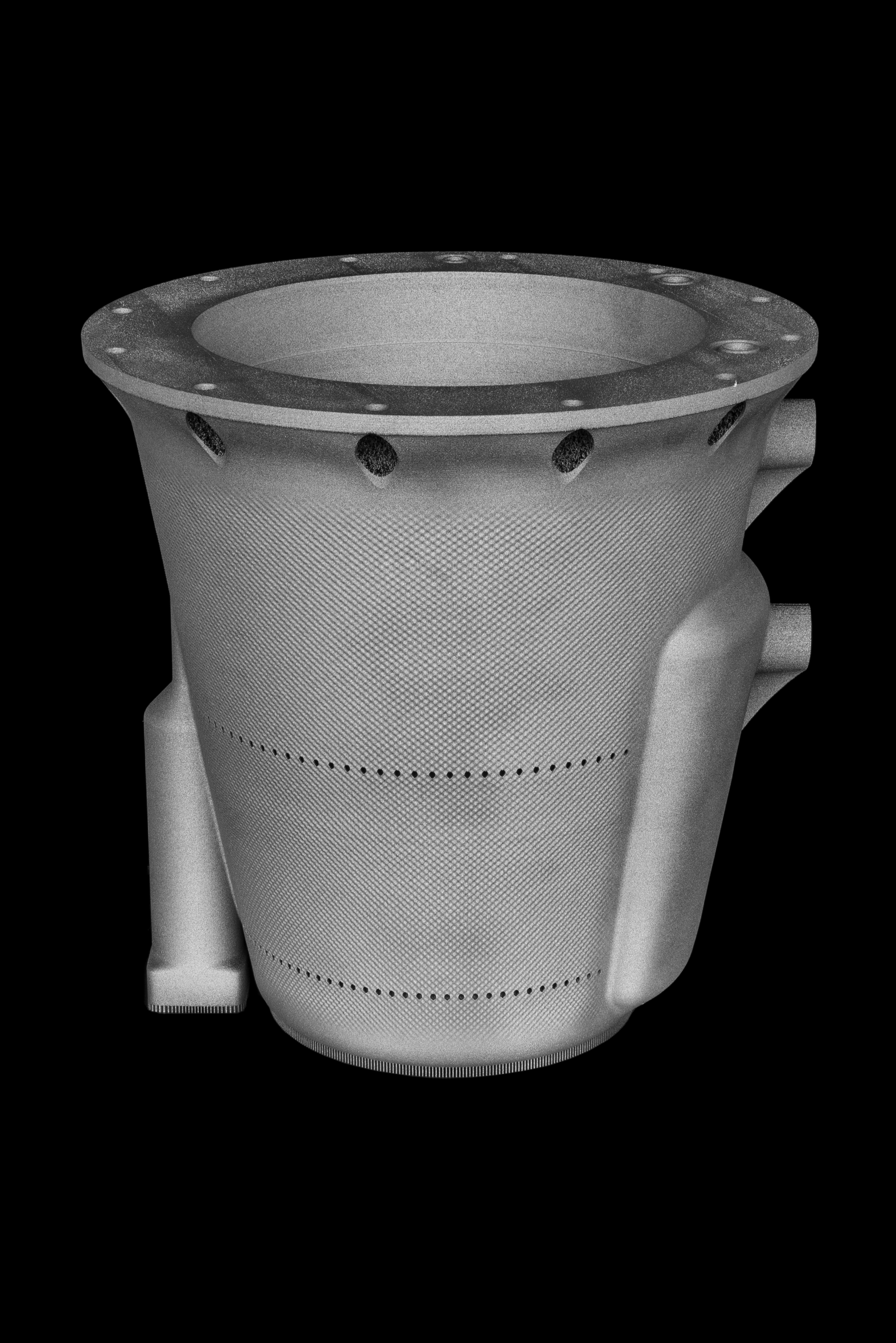
Safran has been encouraged by this initial work and is looking to further pursue 3D printing for housings and other components.
“We knew creating a more complex, higher density lattice structure was the key to achieving what Safran was looking for in the part,” said Betatype CEO Sarat Babu. “Applying our technology and multi-scale approach, we were able to control the scan path and exposure settings down to each element of the sandwich structure’s design. By pushing the AM process of laser powder bed fusion well beyond its standard processes, we created the ultra-high density lattice structure required.”
The proof of concept created by Betatype turned out to be a success. It optimized Safran’s generator housings for additive manufacturing and took a design consisting of multiple components to a design with only one piece. By doing this, Betatype and Safran were able to drastically reduce the overall part count as well as manufacturing times.


Betatype is known for “Engine,” a data processing platform the company built for managing and controlling multi-scale design. Betatype has combined Engine with its team’s strong foundation in material science, engineering and industrial design to achieve greater fidelity at every scale of additive manufacturing part design. Betatype applies its multi-scale approach particularly to complex parts that cannot be easily manufactured through traditional processes – such as Safran Electrical and Power’s electrical generator housing.
Betatype is based in London.
Discuss this and other 3D printing topics at 3DPrintBoard.com or share your thoughts below.
[Images: Betatype]